Dispersed camping opportunities near California Hot Springs range from primitive sites to more developed campgrounds across an elevation span of 4,000 to 7,000 feet in the southern Sierra Nevada. Many camping areas provide access to creeks and rivers, creating opportunities for water-based recreation when conditions permit. Camping options vary seasonally, with higher elevation sites accessible only during summer and fall months due to snow closures.
What to do
Tubing down streams: At Rivernook Campground, visitors can float past their own campsites. "We stayed on the southern end of the campground site #102 and we walked to the northern end and floated down the river back to our site with a nice cold beer in hand," notes one camper. The gentle current creates family-friendly water recreation during summer months.
Fishing in creeks: Access to year-round flowing water creates fishing opportunities at several campgrounds. At Fairview Campground, trout fishing draws anglers throughout the season. A visitor reports, "We had a great time lounging by the river, fishing, and just hanging around." Early spring and fall typically offer the best fishing conditions when water levels are moderate.
Stargazing: Clear mountain air at higher elevations provides exceptional night sky viewing. A camper at Sequoia National Park Dispersed campground described the experience: "We woke in the morning to what we think were hyenas (lmao) crazy. Loved it here, but it was soooooo hot!!! Also, no cell service, or fires allowed at all." Many sites lack artificial light, creating ideal conditions for astronomy.
Hot springs access: The natural hot springs remain accessible year-round, with temperature fluctuations based on seasonal conditions. Several free and paid soaking options exist, including a "hot spring about 150 yards above the campsite that is about knee deep," as noted by a visitor to Leavis Flat Campground.
What campers like
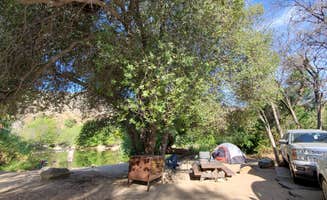
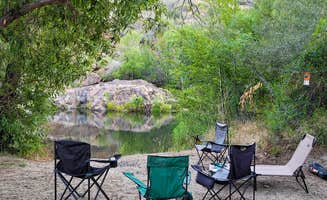
Creek-front sites: Campers consistently rate waterfront locations as premium options. At Leavis Flat Campground, "Site 3 is right on the creek and is very peaceful. Campground is right on the road, but there's not much traffic and the creek drowns out most of the noise." These creek-side sites often book quickly during peak seasons.
Meadow wildlife viewing: Several camping areas border meadows where wildlife sightings occur regularly. One camper at Sequoia National Park Dispersed campground shared, "It is a huge area enough for other campgrounds but during this pandemic you definitely want to be away from people. Anyways, I really enjoyed this camp because you have a running creek and a beautiful meadow which you will have some cows visiting every morning."
Sequoia tree proximity: The Trail of 100 Giants remains a major attraction near several campgrounds. "About a mile or two from the Trail of 100 Giants Sequoia trailhead so that was really nice beating the crowds there in the AM," reported a camper at Dispersed Camp near Sequoia National Park. The short driving distance allows campers to reach the sequoia groves before day visitors arrive.
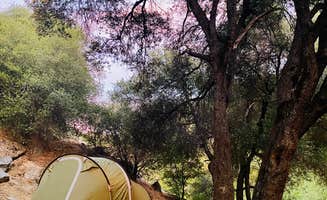
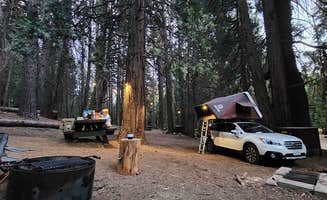
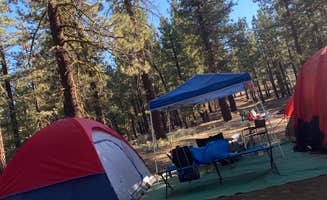
Shaded campsites: Given summer temperatures regularly exceeding 90°F, tree cover provides essential relief. A reviewer at Holey Meadow Campground noted, "We were here at the end of July and because of all the tree covering, the temperature was comfortable and cool even during the day."
What you should know
Bear activity: Black bear encounters occur regularly throughout the region. At Holey Meadow Campground, a camper warned, "A ranger came by to check on us and inform us they have sighted about 7 bears in the area and are less afraid to approach humans as they are hungry due to this year's drought." Many sites lack bear boxes, requiring visitors to use vehicles or personal bear containers for food storage.
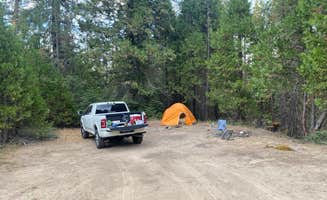
Road conditions: Access to many camping areas requires traveling unpaved routes. "It's all dust roads so AWD would be best, but we did make it in our van. Slid backwards down the hill kicking up dust a couple of times trying to get out the next day, but we made it!" reported a visitor to Dispersed Camp near Sequoia National Park. Road conditions deteriorate significantly after rain or snow.
Seasonal closures: Most higher elevation campgrounds operate on limited schedules. Holey Meadow Campground typically remains open from May 15 to November 15, with exact dates varying based on snow conditions. Lower elevation sites like Leavis Flat Campground often stay open year-round but may experience flooding during spring runoff.
Limited amenities: Many dispersed camping areas lack basic facilities. According to a Chico Flat Dispersed Camping visitor, "The vault toilets were open and very clean and not very smelly. We could not go swimming here, had to go to another day area for that." Campers should prepare to be self-sufficient with water and waste management.
Tips for camping with families
Select creek-side sites for natural entertainment: Water features keep children occupied without electronic diversions. A visitor to Brush Creek Recreation Site shared, "The water was wonderful and low for good swimming. I'd come back for sure." Shallow water areas provide safer play spaces for younger children.
Consider campground activities: Some established campgrounds organize family programming. At KRS RV Resort@Camp James, "They clean and rake all camp sites after each use and they enforce the 10:00pm quiet time. It is a short walk/ride to Kern River Brewery." The structured environment works well for families seeking predictable schedules.
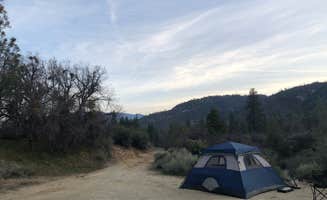
Watch for temperature extremes: Mountain elevations create significant temperature fluctuations. A camper at Dispersed Camp near Sequoia National Park noted, "Brisk at night even in the summer." Families should pack clothing layers for overnight temperatures that can drop below 40°F even during summer months.
Prepare for limited services: Most camping areas lack cell service and convenient supply access. One visitor to Sequoia National Park Dispersed campground advised, "There is a market in johnsondale about 10-15 minutes Incase you forgot something but it is very pricey." Families should arrive with all essential supplies.
Tips from RVers
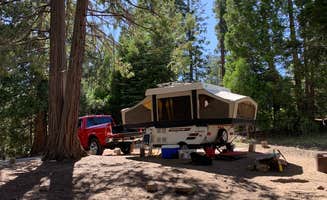
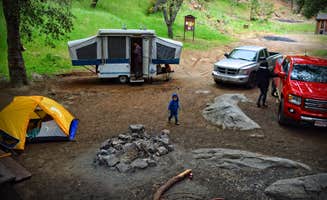
Limited hook-up availability: Most forest campgrounds lack RV services. At Limestone Campground, "Campsites are above the river in a pretty narrow canyon. A short hike to the water. Spacious sites. Most sites have trees for shade." Only a few developed campgrounds offer RV-specific amenities.
Access challenges: Large rigs face navigation difficulties on forest roads. According to a camper at Rivernook Campground, "The prime reason is they have campsites directly on the Kern River. Also while camping there you will maintain cell reception, there is WiFi, restrooms available 24/7, and FREE hot showers between 7am to 8pm." RVers should research specific access routes before committing to reservations.
Seasonal considerations: Higher elevation campgrounds have shorter RV-friendly seasons due to road access issues. A visitor noted, "Quiet and comfortable. Parked next to the road (didn't want to mess with any critters) and barely noticed any road the whole night." Spring and fall offer the best balance of accessibility and comfort for RV camping.













 Scout
Scout


