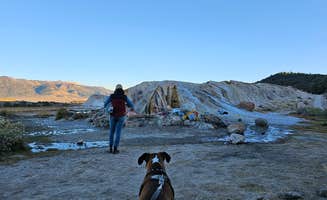
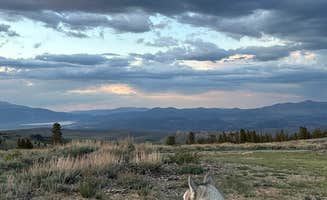
Dispersed camping areas near Travertine Hot Springs in Bridgeport sit at elevations between 6,500-8,000 feet, creating significant temperature fluctuations between day and night even in summer months. The high desert landscape features sagebrush, Jeffrey pines, and aspen groves in higher elevations. Most primitive camping spots require vehicles to navigate unmarked dirt roads with limited signage and defined boundaries.
What to do
Fishing local waters: Bridgeport Reservoir and nearby streams offer productive fishing spots with various trout species. At Paradise Shores RV Park, campers can access the reservoir directly. "Great camp hosts. They have some kayaks available for the guests first," notes Harold T., making it convenient to combine fishing with paddling.
Visit Bodie Ghost Town: This well-preserved mining town is approximately 20 miles from Bridgeport. "We stayed here one night then drove to bodie," reports Cassidy Y. from Travertine Hot Springs area, highlighting this popular day trip. The ghost town maintains original structures from the 1800s gold rush era with daily tours available May through October.
Multi-day backpacking: The trailheads near Trumbull Lake connect to extensive wilderness. "The trail continues over a pass at 11,100 feet elevation where you get a spectacular view on the other side looking towards Yosemite," explains Ray B. These trails connect to multiple alpine lakes through the Hoover Wilderness, offering both day hikes and longer backpacking routes.
What campers like
Hot springs temperature options: The various pools at Buckeye Hot Springs provide temperature gradient choices. "The pools vary in size and heat depending on the year and way they are built to let the creek water in. It is great to be able to soak in the hot water then jump in the cold creek," explains Mollie M. from Buckeye Campground, describing the customizable soaking experience.
Stargazing opportunities: The area's minimal light pollution creates exceptional night sky viewing. "Stargazing from the hot springs was awesome!" reports Nick O. who camped near Travertine Hot Springs. Many campsites throughout the region sit at elevations above 7,000 feet with open skies ideal for astronomy.
Wildlife encounters: The region supports diverse wildlife including deer, bears, and various bird species. "Almost every time I have been here we see lots of deer," notes Yvette P. about Lundy Lake Campground. Wildlife viewing opportunities increase during dawn and dusk hours, particularly in less trafficked camping areas.
What you should know
Bear awareness requirements: Bear activity is significant throughout the region. "Bear bins at each site. Use them. Pretty sure we heard a bear in the night messing around with the firepit grate," warns C.S. about Lundy Canyon Campground. Most established campgrounds provide bear boxes, but dispersed campers must bring appropriate containers or follow proper food storage protocols.
Extreme weather fluctuations: Temperatures can drop significantly after sunset regardless of season. "The canyon can get chilly (esp. in winter months) just get from your campfire to the springs to your tent quickly," advises Brody S. about Buckeye Campground. Nighttime temperatures can drop below freezing even in summer months, requiring appropriate clothing and sleeping gear.
Limited cell coverage: Cell service varies significantly throughout the region. "No cell signal whatsoever," reports Beth M. about Crags Campground. While some areas near Travertine Hot Springs maintain coverage for certain carriers, most campgrounds deeper in canyons or at higher elevations have no reliable service.
Tips for camping with families
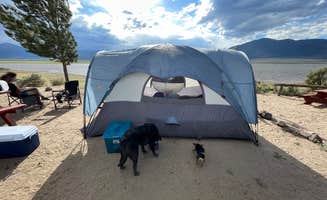
Water recreation options: Multiple lakes provide swimming and boating possibilities. "We were able to camp with our 19 foot trailer but I don't think I would recommend anything larger," advises Samantha T. about Travertine Hot Springs Dispersed Camping. Bridgeport Reservoir and Twin Lakes offer designated swimming areas suitable for children, while many smaller lakes permit non-motorized boats only.
Spacious campsites: Several campgrounds feature well-separated sites ideal for family groups. "The sites are huge and lots of space in between them," notes Shari G. about Crags Campground. Family groups often prefer established campgrounds with clearly defined boundaries rather than primitive dispersed camping areas.
Bathroom facilities: Established campgrounds maintain various toilet facilities. "Bathrooms and showers onsite if needed along with a small general store and offsite boat rentals," reports Jon K. about Bridgeport Reservoir RV Park. Families with young children typically prefer locations with maintained restroom facilities rather than dispersed areas requiring portable toilets or proper waste management techniques.
Tips from RVers
Hookup availability: Most RV-friendly campgrounds offer partial hookups with limited full-service sites. "RV sites are graveled and level, clean bathrooms/showers/laundry," reports Rich J. about Bridgeport Reservoir RV Park and Marina. Due to the remote location, even established campgrounds often provide only basic services with limited amp options.
Wind protection considerations: Strong winds frequently affect exposed camping areas. "It was VERY windy (in fact, there was an area-wide high wind advisory) and with our pop-top campervan, it would have been challenging," reports Lee D. about Bridgeport Reservoir RV Park. RVs without proper stabilization may experience challenges in certain areas, particularly near lake shores and in open valleys.
Elevation impacts: Higher elevation campgrounds affect RV systems and comfort. "At just shy of 10,000 ft, air can be a bit thin," notes Cliff about Trumbull Lake. RV refrigerators, water heaters, and furnaces may operate less efficiently at higher elevations, requiring adjustments and awareness of propane consumption rates.











 Scout
Scout


