The Ozark region sits at elevations between 1,000-2,700 feet in northwestern Arkansas with distinct seasons and moderate rainfall patterns. Camping options near Ozark include sites on mountain ridges, river valleys, and lakeshores with typical temperature variations of 20-30 degrees between day and night. Most campgrounds maintain year-round availability though winter access may require preparation for freezing conditions.
What to do
Kayak the Mulberry River: Access points available at Mulberry River Outdoor Adventures where visitors find clean water and natural swimming holes. "The mulberry river is a ridden gem the runs through the Ozarks. It's just a quiet beautiful place to camp, ride ATVs, float the river or just hangout with friends and families," notes camper Ty F.
Hike mountain trails: Multiple trails across various difficulty levels available within 30-minute drives. White Rock Mountain Recreation Area offers elevation gains of 600+ feet with panoramic views. Camper Erin-Frannie R. describes: "January 31-Feb 3 2025. White Rock is a great little campground. With only 8 tent camp sites it is very quaint."
Off-road vehicle exploration: Designated trails spread across 800 acres at Byrd's Adventure Center accommodate various skill levels. "They not only have their own trails on private land, but off-roaders can hit trails in National Forest territory not too far down the road," explains Eric L., highlighting the diversity of terrain options.
What campers like
Spacious camping areas: Sites at most Ozark campgrounds provide substantial distance between neighbors. "The campground is clean and the views are good. It is by the Arkansas river, near a hydroelectric dam. You will see barges going down the river, and see the railroad that sits across the river," shares Jason K. about Aux Arc Campground.
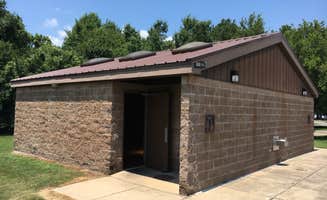
Clean facilities: Campgrounds maintain regular servicing of restrooms and shower buildings. At Redding Campground, "This place is an amazing bargain. For just $15 a night, you get nice, big, secluded campsites, a large bathroom with running water, flushing toilets, and showers, and an awesome swimming hole," according to Alex M.
Year-round camping options: Most sites remain accessible during winter months with reduced crowds. "We stayed at site 13, which appears to be reasonably popular, as there was little trash, and less leaves. Its a short walk and mild bushwhack through a ravine to reach a small cliff overlooking the river, and you can hear the rapids from the tent pad - very soothing!" reports Melanie G. about winter camping at Redding Campground.
What you should know
Mountain roads require caution: Access roads to several campgrounds feature steep grades and sharp turns. "The drive up to this campsite was a slight challenge. I would recommend an SUV or other tall vehicle with 4 wheel drive. The twisty, steep, narrow dirt road makes for quite an adventure," warns Clarissa F. about White Rock Mountain Recreation Area.
Limited cell coverage: Most campgrounds have spotty or non-existent cellular service. Prepare communications accordingly and download maps offline before arrival.
Wildlife encounters: Beyond typical forest animals, campers should prepare for insect activity. "One warning on the cabins though - in summer be prepared for some bugs. Stayed in Cabin B in August one summer with my wife, who is tougher than anything but spiders," shares Matt B. about White Rock Mountain Recreation Area.
Weather variability: Mountain elevations experience faster weather changes than surrounding areas. "The temperature is literally about 10-15 degrees cooler on the mountain than below. One night we were there it got down to mid teens," advises Donny S. about camping at Mount Magazine State Park.
Tips for camping with families
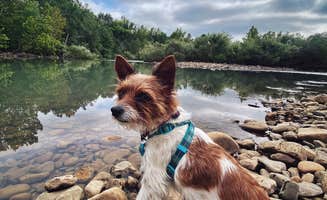
Choose campgrounds with river access: Children enjoy natural water features during warm months. "Right off I40, on the Mulberry River, very friendly staff, you can Tube, float, kuyak, or just swim and relax," recommends Rick N. about Mulberry River Outdoor Adventures.
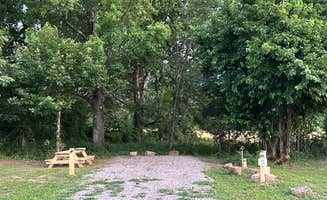
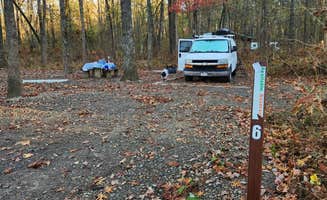
Look for campsites with level pads: Many Ozark campgrounds feature terrain variations that may challenge younger children. "All sites have tent pads, fire pits and picnic tables, although several of the picnic tables are not in the best shape. Best draining sites appear to be in the 20s, on the north side of the loop," notes Melanie G. about site selection at Redding Campground.
Consider bug protection: Insect activity varies by season with peak activity in summer months. "To balance out the bad insects, there are lots and lots of fireflies here at dusk. There are no fireflies where I come from, so these were a treat to see," shares Alex M. about the Redding Campground experience.
Tips from RVers
Reserve pull-through sites when available: Limited turning radius at some campgrounds creates challenges for larger rigs. "We got in about 2:45 PM and the check in office was closed. Based on our confirmation email, we started to head towards our site just as one of the park hosts was driving by and she said to just go to our site and check in later. We went to back-in site 11, which is a river view with 50/30 AMP with water," explains MickandKarla W. about their experience at Aux Arc Campground.
Verify road conditions: Some pet friendly camping near Ozark, Arkansas requires navigating unpaved roads or steep inclines. "Sites have great views. If you want the best experience - grab one of the sites along the ridge (83, 85, 87) - these have a great view off the back and offer incredible space. There are several hiking trails within the park and other activities during warmer months," advises Gonzo A. about Devil's Den State Park.
Prepare for water pressure variations: Some campgrounds provide high-pressure water connections requiring regulators. "As the norm with COEs, the water pressure was very good so you'll need a reducer," advises MickandKarla W. about Aux Arc Campground.













 Traveler


