
 Photo by The Dyrt
 Complete Isle Royale National Park Camping Guide
Updated: April 2026
Isle Royale National Park offers a truly remote wilderness camping experience on an isolated island in Lake Superior. With no roads or cars, visitors arrive only by ferry or seaplane and explore on foot or by boat. The park's 36 primitive campgrounds are dispersed across the island's rugged forests, rocky shores, and inland lakes. Camping here means carrying all your gear, filtering your water, and often having a campsite entirely to yourself (or shared with moose). This guide covers everything you need to know to plan and enjoy an Isle Royale camping trip -- from ferry logistics and gear prep to campground details, hiking trails, and wildlife safety -- with insights from real campers who have experienced the island's solitude and beauty. While Isle Royale doesn't offer traditional RV camping options near Isle Royale or glamping near Isle Royale, the mainland areas of Michigan's Upper Peninsula and Minnesota's North Shore provide those amenities for travelers before or after their island adventure. For a broader look at how Isle Royale stacks up against other wilderness destinations, check out The Dyrt's national parks camping guide.
Isle Royale National Park Camping at a Glance
Unlike most national parks, Isle Royale has no frontcountry drive-in campgrounds -- every site is backcountry. All campgrounds are first-come, first-served with no fees per night (a free permit is required) and no reservation system for individual campsites. Access is limited to the mid-April through October season when ferries operate (the park is closed November 1 - April 15 each year). Summer is peak season with the most visitors (still only about 18,000 annually), while spring and fall see cooler weather and fewer bugs. There are no stores or services in the backcountry, so campers must be self-sufficient and carry everything they need. For 2026, all overnight visitors must carry an IGBC-certified animal-resistant food container -- a mandatory regulation implemented in 2025 in response to wolf-human conflicts that escalated to the park's first wolf euthanasia in August 2025. Cash is no longer accepted for park entrance fees (credit or debit only); the lodge and camp stores still accept cash. A new solar power system has replaced diesel generators at Windigo for the 2026 season, reducing noise and fuel costs. Always attend the ranger orientation upon arrival for the latest advisories on trail conditions, algae bloom warnings, and wolf activity, and to obtain your free permit. For more on planning a trip to the island, see The Dyrt's Isle Royale exploration guide.
Isle Royale National Park Campground Quick Facts
| Quick Facts | Details |
|---|---|
| Number of Campgrounds | 36 designated campgrounds (all accessible only by foot, boat, or canoe; no road access) |
| Camping Permit | Required for all overnight stays (free for parties 1-6; groups 7+ need advance group permit $25). No cash accepted for park entrance fees -- credit/debit only. |
| Campsite Cost | $0 per night (park entry fee $7 per person/day or $60 season pass still applies; $80 America the Beautiful Pass covers all national parks) |
| Reservations | No campsite reservations (first-come only). Ferry/seaplane reservations strongly recommended -- book 3-6 months ahead for summer dates. |
| Camping Season | Mid-April through October (park completely closed Nov 1 - Apr 15; ferries run late Apr to late Oct) |
| Facilities | Primitive: pit toilets at all campgrounds; no potable water in backcountry (filter from lakes); some Lake Superior sites have Adirondack shelters, picnic tables, and food storage lockers |
| Food Storage (2026 Requirement) | Mandatory IGBC-certified animal-resistant container required for all overnight visitors. Use provided food lockers at equipped campgrounds; hang containers elsewhere. Covers all food, trash, scented items, and cooking gear. |
| Fires | Campfires prohibited at most campgrounds. A few campgrounds have designated fire rings or grill grates (McCargoe Cove, Malone Bay, Siskiwit Bay, Washington Creek). Check ranger guidance on arrival. |
| Average Summer Temps | Day 60-75 degrees F, Night 45-55 degrees F (cooler near lake; interior can be warmer; rapid weather changes common) |
| 2026 Updates | Mandatory bear canisters required (IGBC-certified) for all overnight visitors Wolf population near 30 -- active hazing operations ongoing; no cash for entrance fees New solar power at Windigo replacing diesel generators Algae bloom advisories active at Chickenbone Lake, Lake Richie, Lake Desor, and Todd Harbor Five cross-country zones remain closed (fire damage from 2021-2022 fires) |
Isle Royale Campgrounds: Complete Guide
Isle Royale's campgrounds can be grouped by their general location and access. Some sit along Lake Superior shorelines (often with docks and shelters), while others are inland along trails or canoe routes. All campgrounds have a pit toilet and primitive tent sites, and about a third also feature three-sided shelters (wooden lean-tos with roofs) which are first-come and popular for weather and bug protection. Below is a breakdown of every in-park campground with options for tent camping at Isle Royale National Park. Note that pets are not allowed at Isle Royale campgrounds, so pet owners will need to make arrangements on the mainland before their trip.
Rock Harbor and Eastern Isle Royale Campgrounds
Rock Harbor Campground — Isle Royale National Park
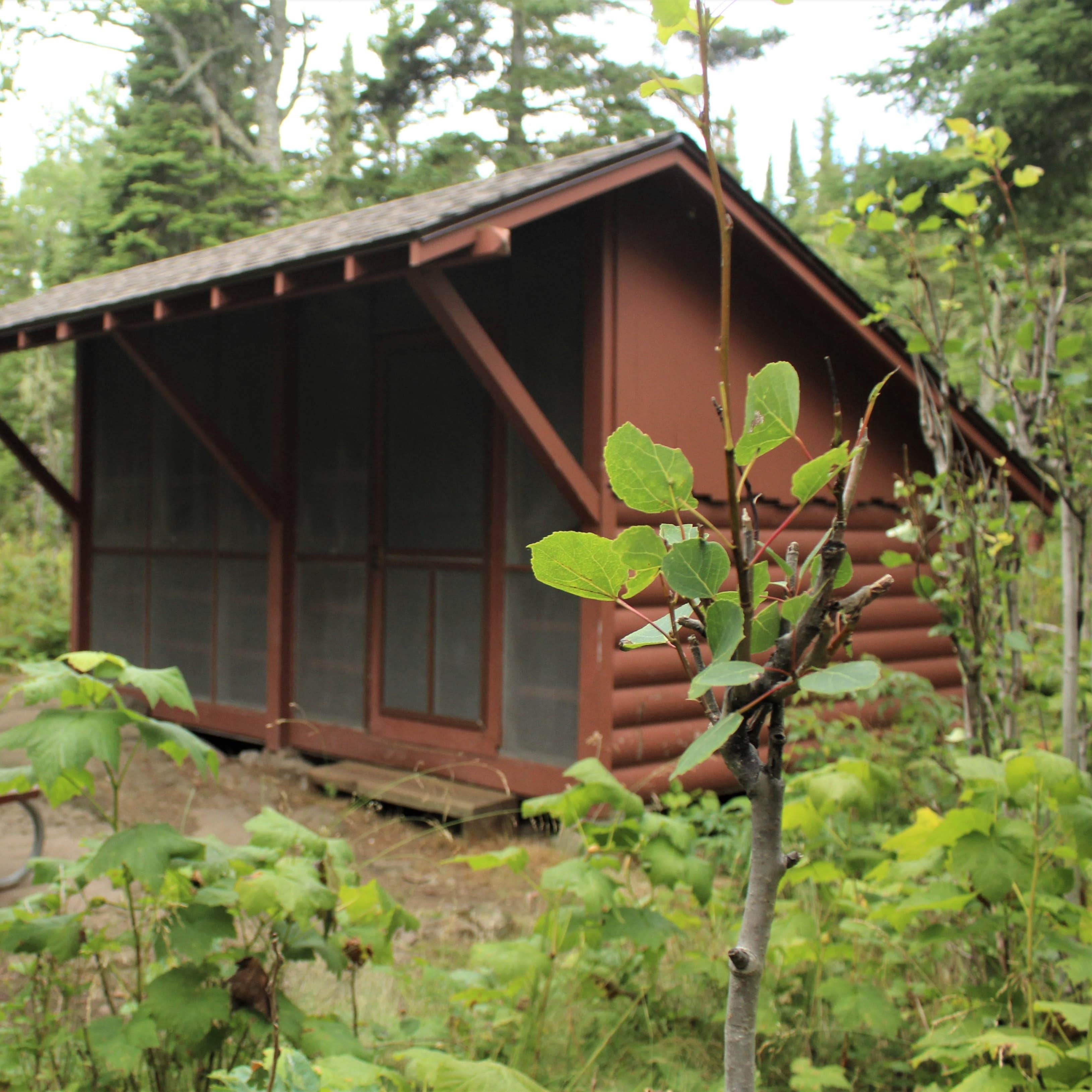
Rock Harbor Campground is the park's main hub, located at the northeast end of the island where the ferry from Houghton and Copper Harbor lands. It offers 9 wooden shelters and several tent sites set among balsam fir and spruce forest along the shore. Campers here enjoy easy access to potable water (from the visitor center) and the amenities of Rock Harbor (camp store, cafe, showers at $6 per 5-minute token) just a few minutes' walk away. Despite being a busy site (often your first or last stop), it offers beautiful views of Lake Superior. A stay is limited to 1 night (June 1 - Sept 15) due to demand. Note: wolf activity has been documented near Rock Harbor in recent seasons; use the provided food storage lockers and secure all scented items.
Three Mile Campground — Isle Royale National Park
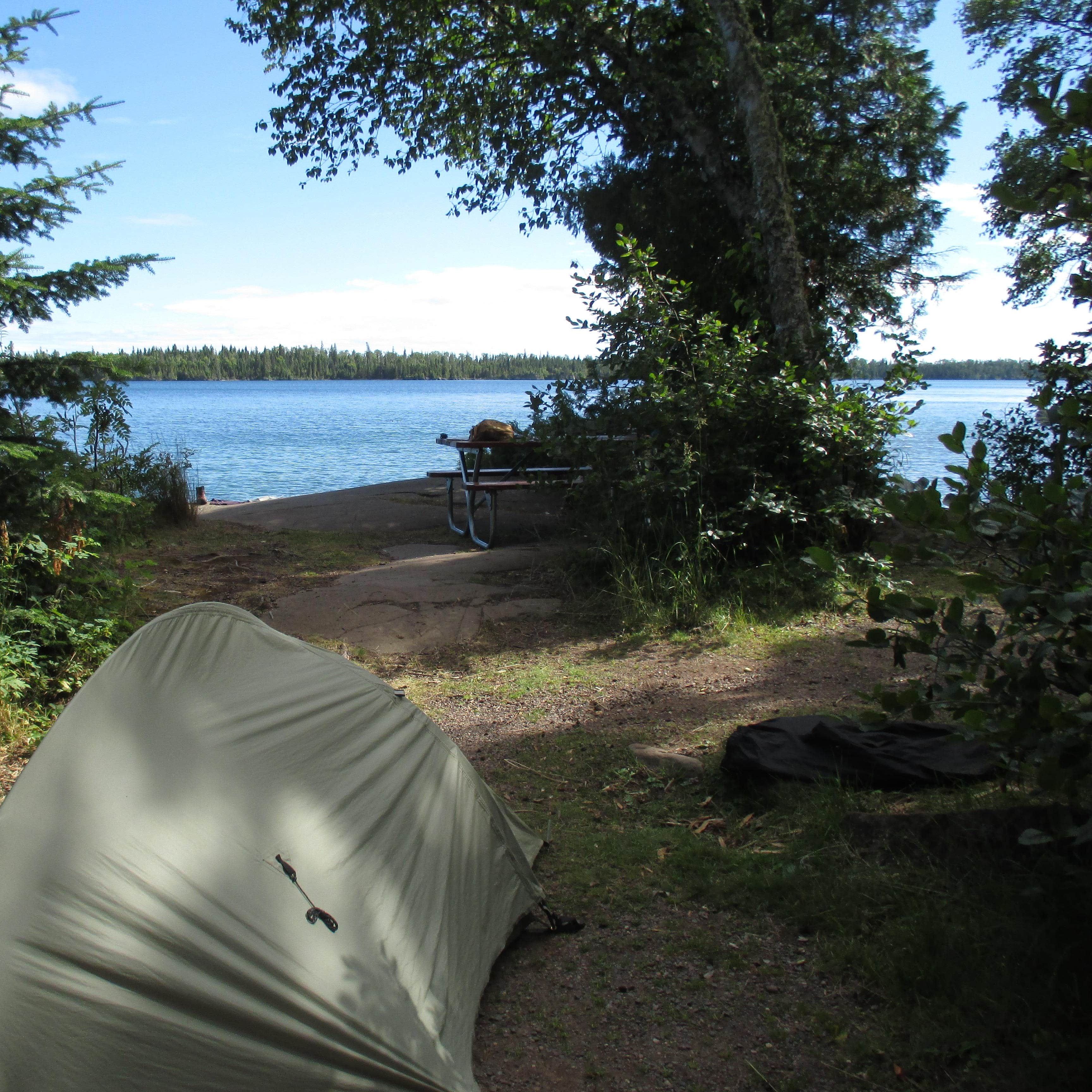
Three Mile Campground lies 2.7 miles northeast of Rock Harbor along the Rock Harbor Trail. It features 8 shelters and multiple tent sites spread along the wooded shoreline of Rock Harbor Channel. Shelters near the water offer great sunrise views and a dock for filtering water or sunbathing on the rocks. Amenities include a covered pavilion with picnic table, a pit toilet, and food storage lockers. This campground is often a first-night stop for backpackers leaving Rock Harbor (stay limit 1 night June 1 - Sept 15). Despite the name, the scenery here feels far more remote than just a short walk from the visitor center.
Lane Cove Campground — Isle Royale National Park
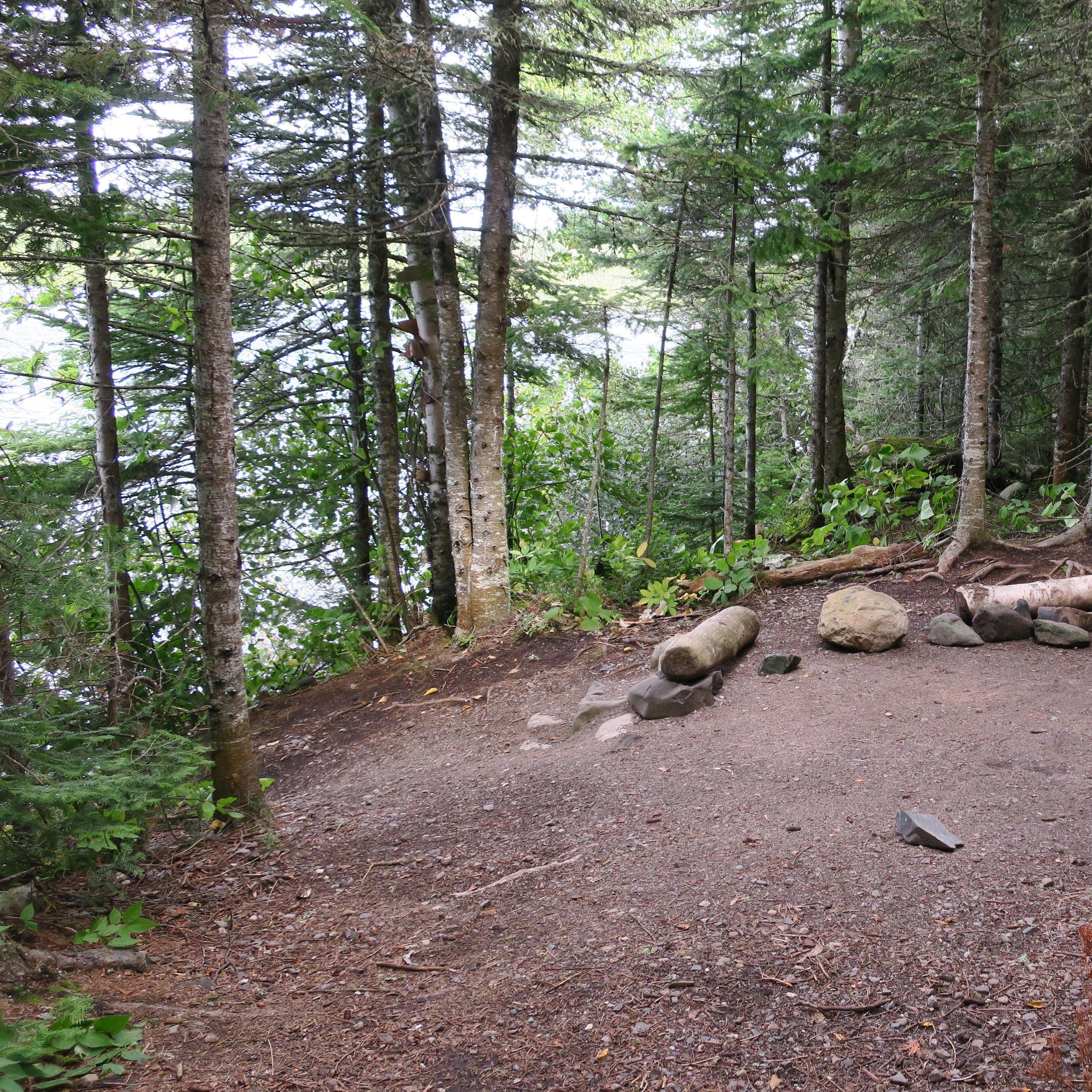
Lane Cove Campground is a secluded site on the north side of the island, reached by a strenuous 6.9-mile hike off the Greenstone Ridge (or via canoe/kayak from Belle Harbor). It has 5 tent sites scattered in a peaceful cove on Lake Superior with no shelters or docks. The long hike in deters many, so those who make the trek often find solitude -- evenings might only have one or two parties camped here. Wildlife is a highlight; campers have reported hearing wolves howl at night and frequent moose browsing near camp. (Stay limit 2 nights; no fires allowed.)
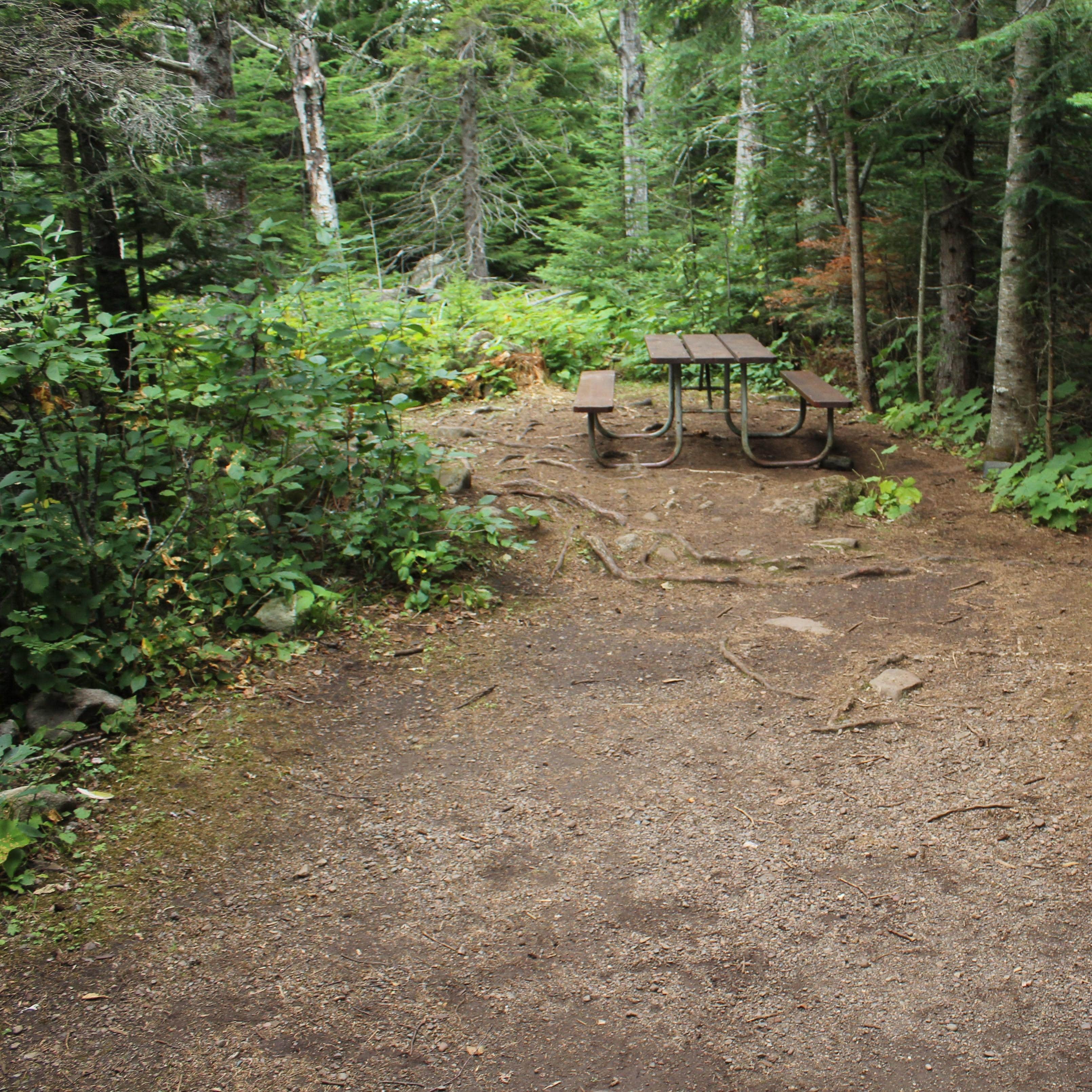
Daisy Farm Campground — Isle Royale National Park
Daisy Farm Campground is Isle Royale's largest and busiest backcountry campground, centrally located 7 miles from Rock Harbor along Rock Harbor Channel. It boasts 16 shelters (including one ADA-accessible shelter), 6 tent sites, and 3 group sites, plus a ranger station and dock. Set in a birch and cedar grove by the water, Daisy Farm is a popular basecamp: hikers can ascend to Mount Ojibway or Greenstone Ridge from here, and boaters often stop in via the dock. Despite its size, Daisy Farm fills up in summer (stay limit 3 nights). Food storage lockers are provided. Beaver activity near the campground has created some wet conditions on approach trails in recent seasons.
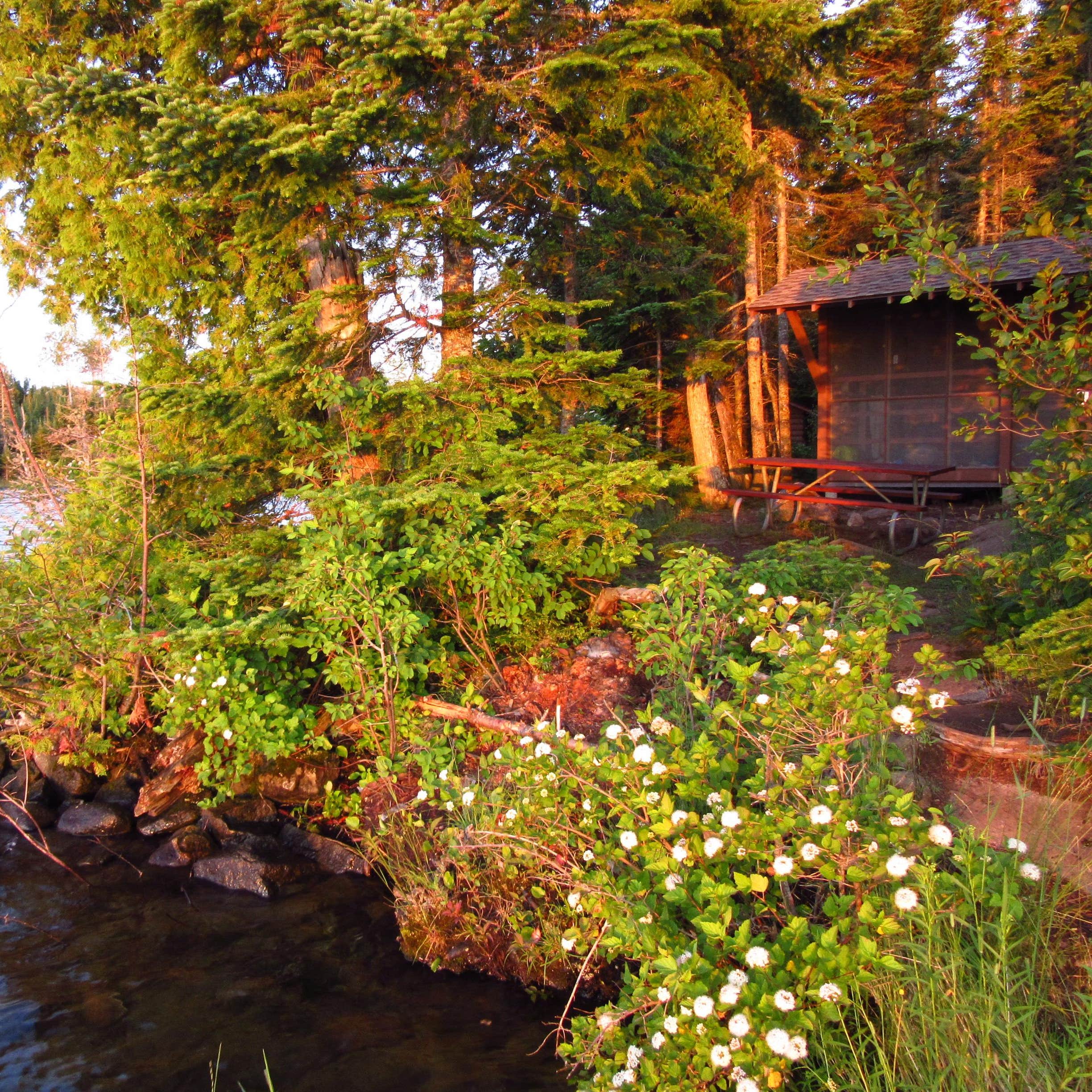
Moskey Basin Campground — Isle Royale National Park
Moskey Basin Campground is a favorite for its gorgeous waterfront setting and peaceful atmosphere. Located approximately 4 miles west of Daisy Farm on the Rock Harbor Trail, Moskey has 6 shelters and 2 tent sites arrayed around a bay. Several shelters sit right on the rocky shoreline, giving unparalleled views of Moskey Basin -- expect dazzling sunrises over the water and frequent moose sightings across the bay. A small dock provides access for kayaks or a spot to filter water and watch loons. Moskey's shelters often fill early in the day because of its popularity. (Stay limit 3 nights.) Campers consistently rate this campground among the most beautiful on the island.
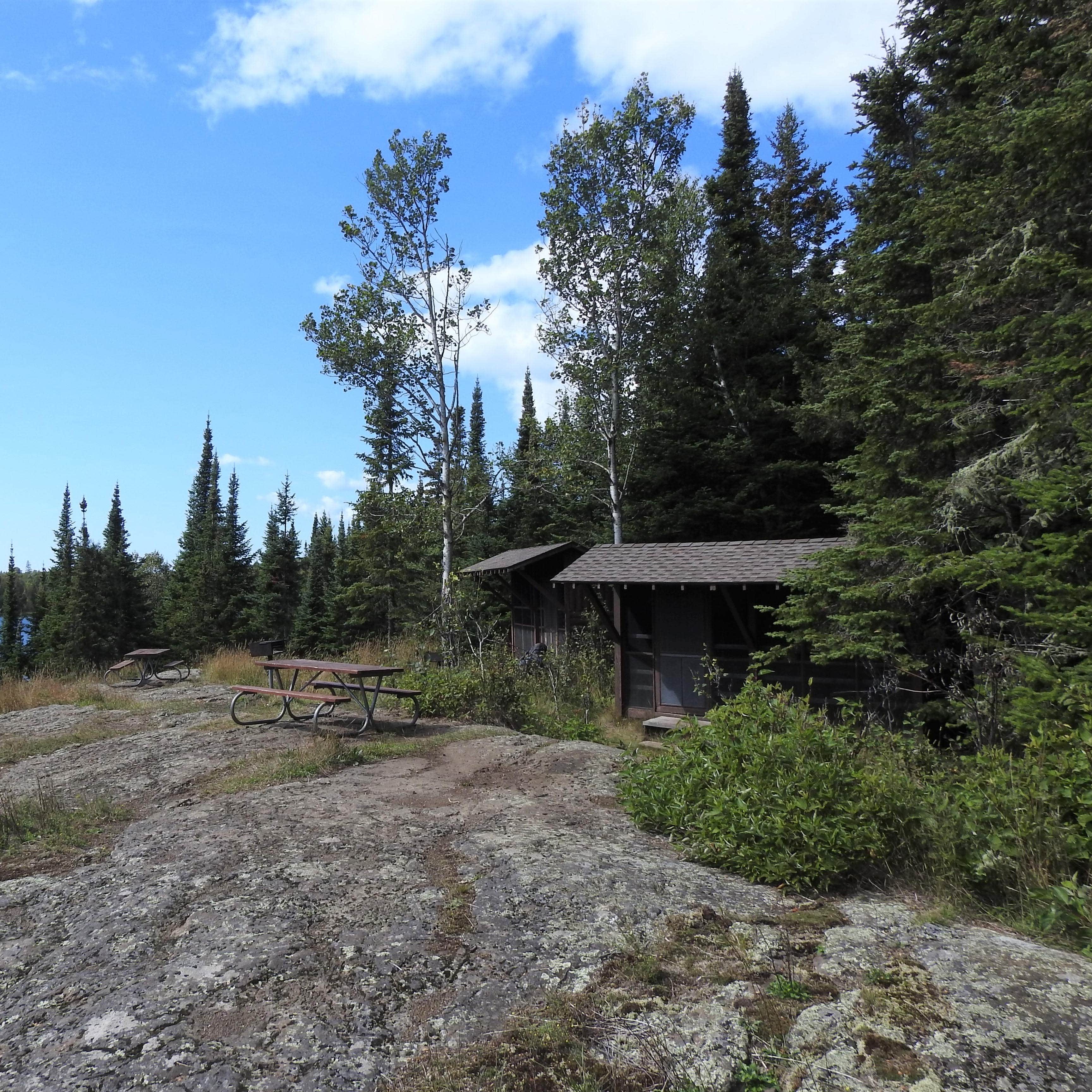
Chippewa Harbor Campground — Isle Royale National Park
Chippewa Harbor Campground is a quiet, end-of-trail campground on a long inlet along the island's southeast side. Accessible by a 6.6-mile hike from the Portage Trail or by boat (Voyageur ferry stop by request), Chippewa Harbor offers 4 shelters, 2 tent sites, and 1 group site set among pines near the water. This secluded harbor sees fewer visitors; many who come are boaters or ambitious backpackers. A short trail leads to the historic Johnson Schoolhouse and a high ridge overlook of Lake Superior. Chippewa's sheltered cove is great for fishing and paddling. (Stay limit 3 nights.) The remoteness and quiet here are a big part of its appeal.
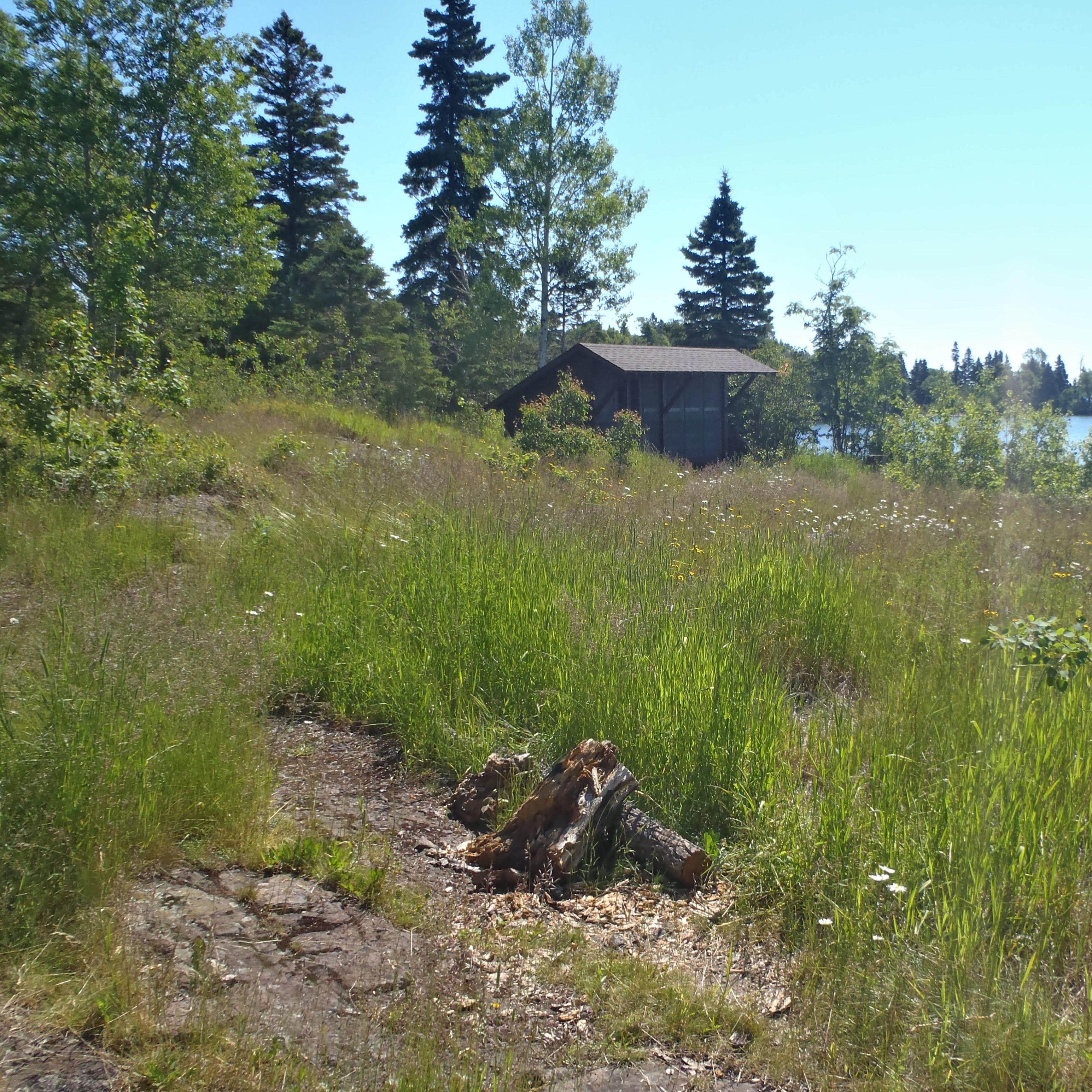
Malone Bay Campground — Isle Royale National Park
Malone Bay Campground sits at the far southwest end of Isle Royale, reached primarily by the Voyageur II ferry or a challenging 11-mile hike down from the Greenstone Ridge. It has 4 shelters and 2 group tent sites (no individual tent-only sites) set along a pebbly Lake Superior shoreline. Malone Bay is popular with boaters who use the dock and sheltered bay. A small ranger station (often unstaffed) and trail register are located here. The campground has standing grill grates for cooking fish and a nearby waterfall (Ojibway Lake outlet) to check out. Malone's shelters are coveted after the long trip in. (Stay limit 3 nights.)
Northern and Interior Isle Royale Campgrounds
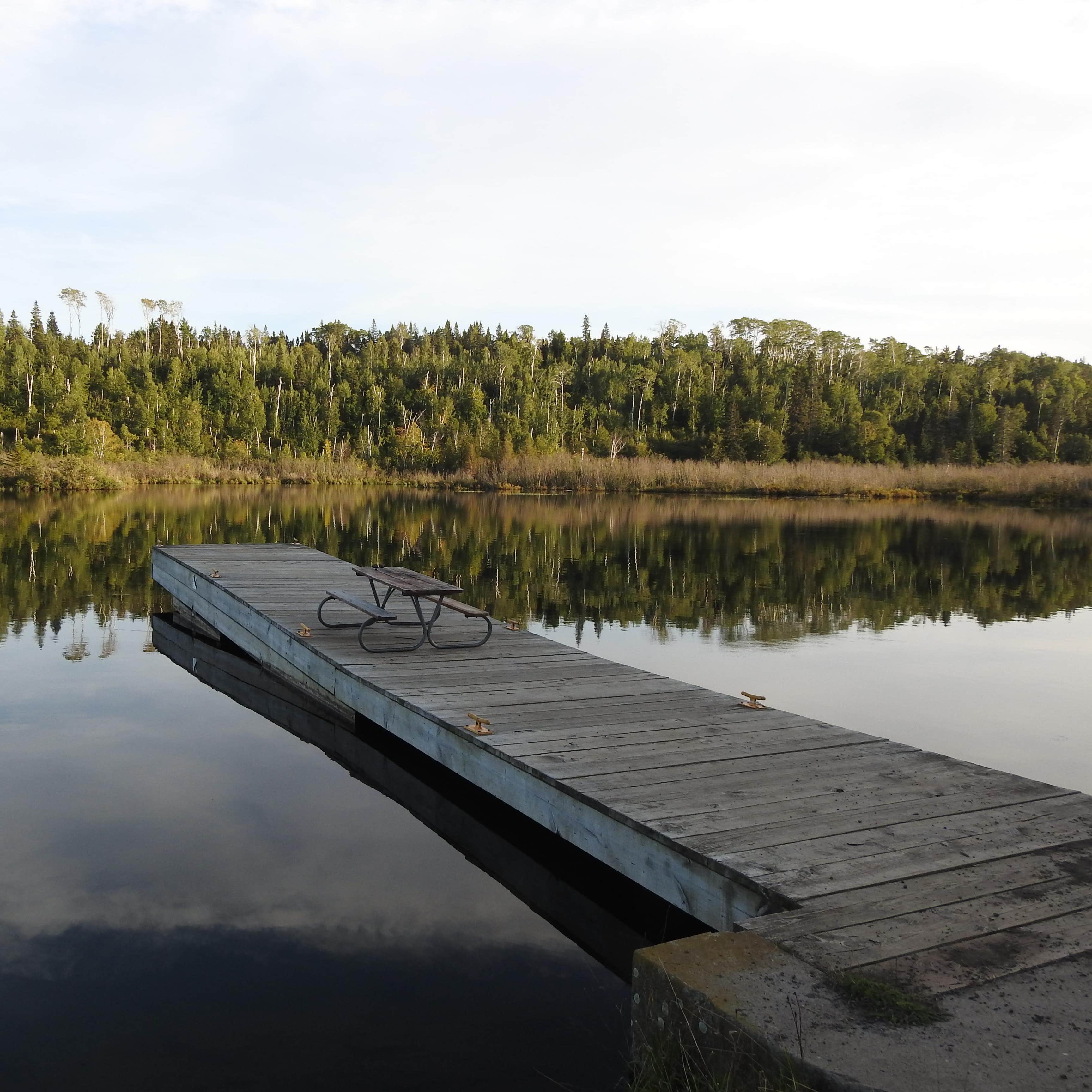
McCargoe Cove Campground — Isle Royale National Park
McCargoe Cove Campground is a highlight of the island's north side, tucked deep into a narrow, fjord-like cove. Accessible via an 8.2-mile hike from Daisy Farm or by Voyageur ferry drop-off, McCargoe offers 6 shelters, 3 tent sites, and 3 group sites. It's known for excellent fishing (northern pike and perch) and a social atmosphere around its communal fire ring (one of the few campgrounds where fires are allowed in a designated ring). A short trail leads to historic Minong Mine ruins. Shelters sit on a bluff overlooking the cove, where loons call at dusk. (Stay limit 3 nights.) Many backpackers break here to rest and swap stories with boaters.
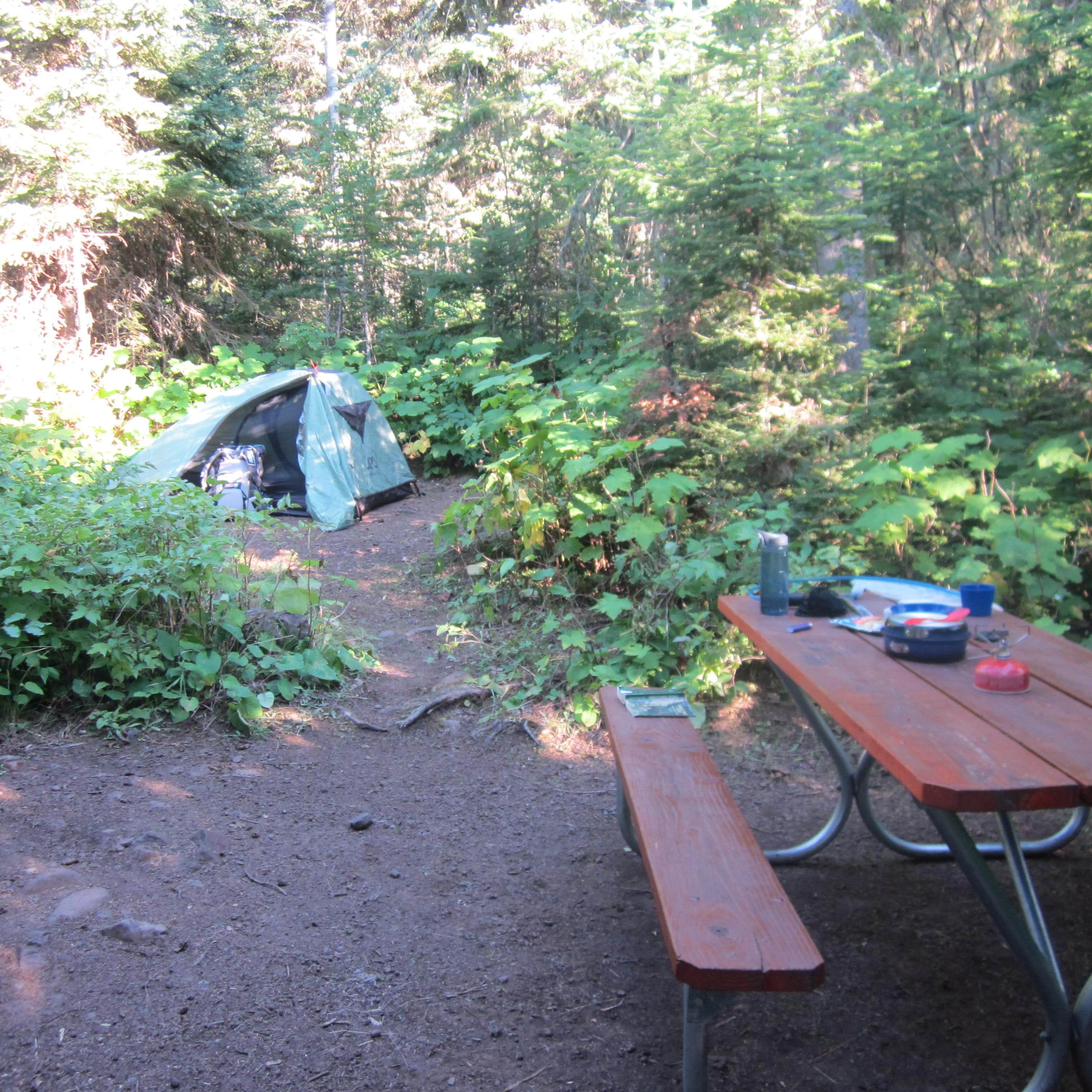
Todd Harbor Campground — Isle Royale National Park
Todd Harbor Campground sits on the north shore about midway along the Minong Ridge Trail. It's a small, quiet campground with 3 tent sites and 1 group site spread along a rocky beach (no shelters). Reached by a 6.5-mile hike from McCargoe or 5.7 miles from Hatchet Lake, Todd Harbor is prized for its sunsets and the steady Lake Superior breeze that keeps mosquitoes at bay. A spur trail leads to a pretty waterfall (Todd Harbor Falls) just west of camp. Boaters can anchor offshore in the natural harbor. Note: algae bloom advisories have been issued for Todd Harbor in recent summers -- treat water carefully and check NPS advisories before drawing from this source. (Stay limit 3 nights.)
Little Todd Campground — Isle Royale National Park
Little Todd Campground is one of the most remote camps on Isle Royale's north shore, accessible only by foot along the Minong Ridge Trail. It is a single small camping area (no shelters) near the Lake Superior shore, 5.7 rugged miles west of Todd Harbor. The site is a short walk inland from a secluded cobble beach where you can filter lake water or enjoy a sunset. Little Todd has just 4 tent sites, making it a place of true solitude -- often only one party stays here on a given night. There are no amenities besides the pit toilet and a food-hanging pole. What it lacks in development, Little Todd makes up for in wilderness ambience, with frequent moose tracks along the creek and absolute quiet at night (save for waves on the shore).
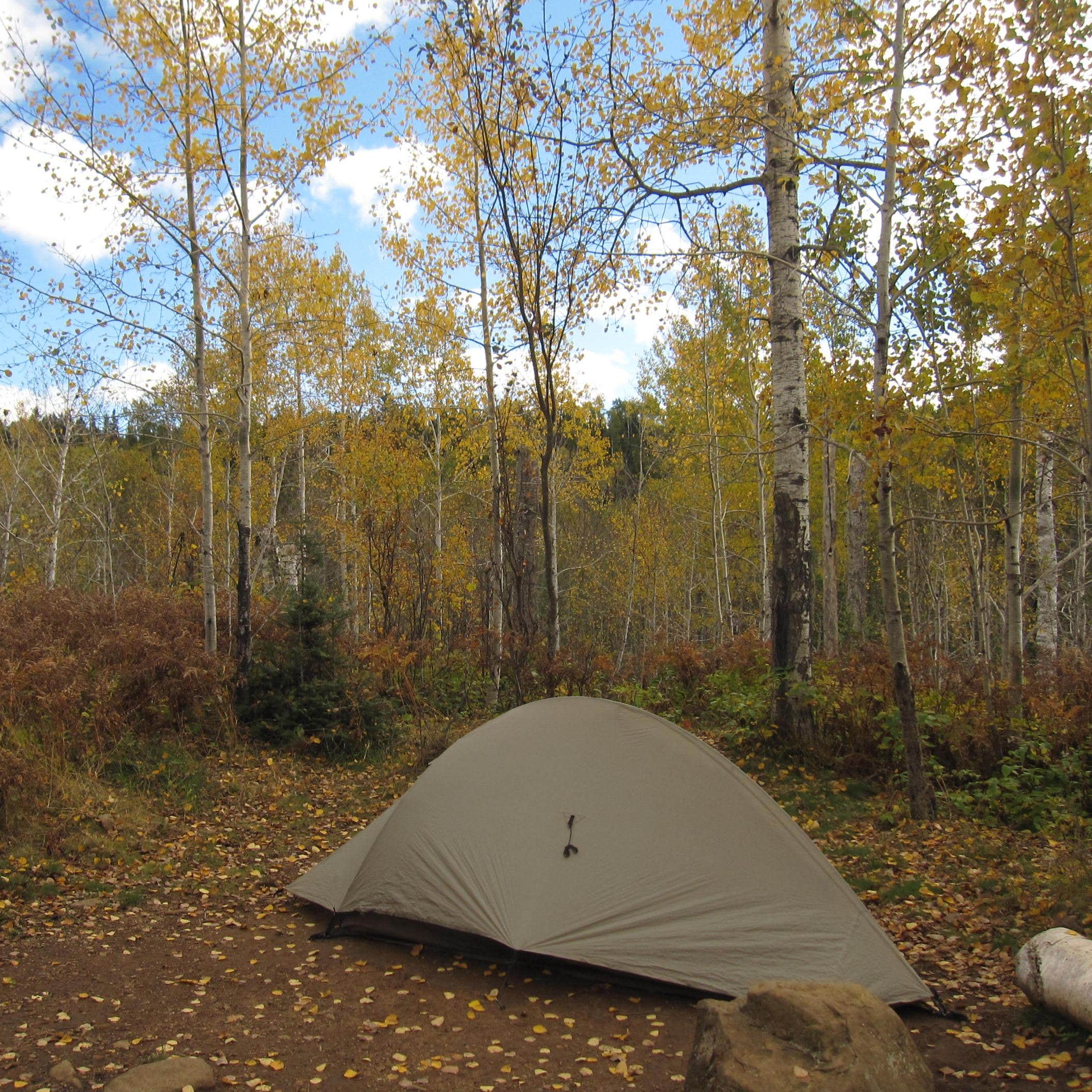
East Chickenbone Campground — Isle Royale National Park
East Chickenbone Campground is located at the eastern end of Chickenbone Lake, along the central Greenstone Ridge trail corridor. It's a hike-in only site (about 8 miles from Rock Harbor via the portage trail). East Chickenbone offers 5 tent sites (no shelters) set on a hill overlooking the lake through trees. Water must be filtered from Chickenbone Lake -- algae bloom advisories are active at Chickenbone in recent seasons (check with rangers before drawing water here). This campground is a convenient stop for Greenstone Ridge backpackers but is known for its limited space and sometimes heavy mosquitoes due to the inland lake. (Stay limit 1 night in peak season.) It's quieter since boaters cannot reach it.
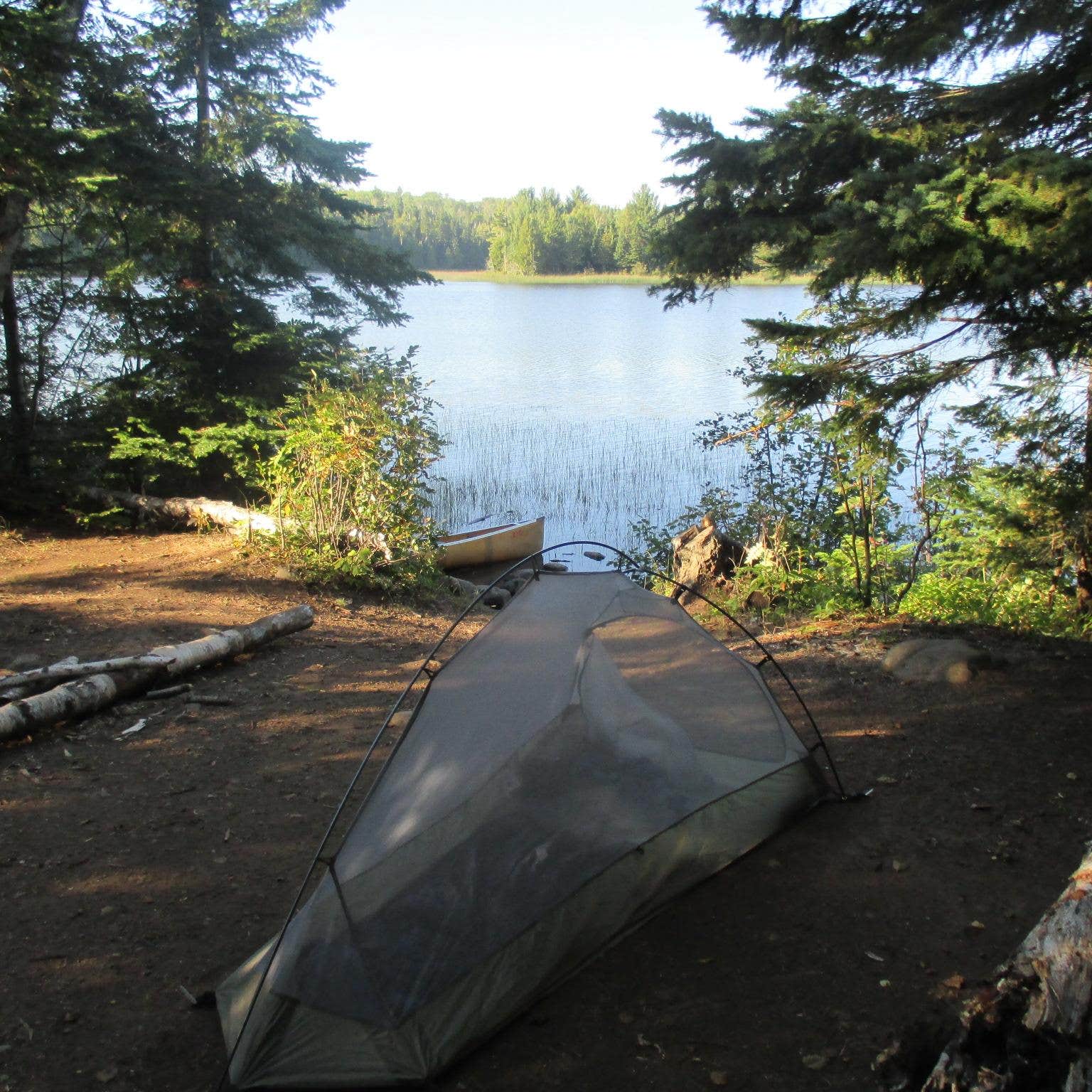
West Chickenbone Campground — Isle Royale National Park
West Chickenbone Campground lies at the western end of Chickenbone Lake, about 1.2 miles off the Greenstone Ridge via a side trail. Like its eastern counterpart, West Chickenbone has only tent sites (6 individual sites) scattered in forest near the lakeshore. There is no dock, but a small clearing at water's edge allows for filtering water or launching a canoe. Hikers often prefer West Chickenbone over East because it's slightly more spacious and less buggy, though algae bloom advisories at Chickenbone Lake apply here as well -- always check conditions. Fishing from shore for pike is possible here. (Stay limit 2 nights.) Campers note that the sunsets over Chickenbone Lake are beautiful, and loons will lull you to sleep.
Hatchet Lake Campground — Isle Royale National Park
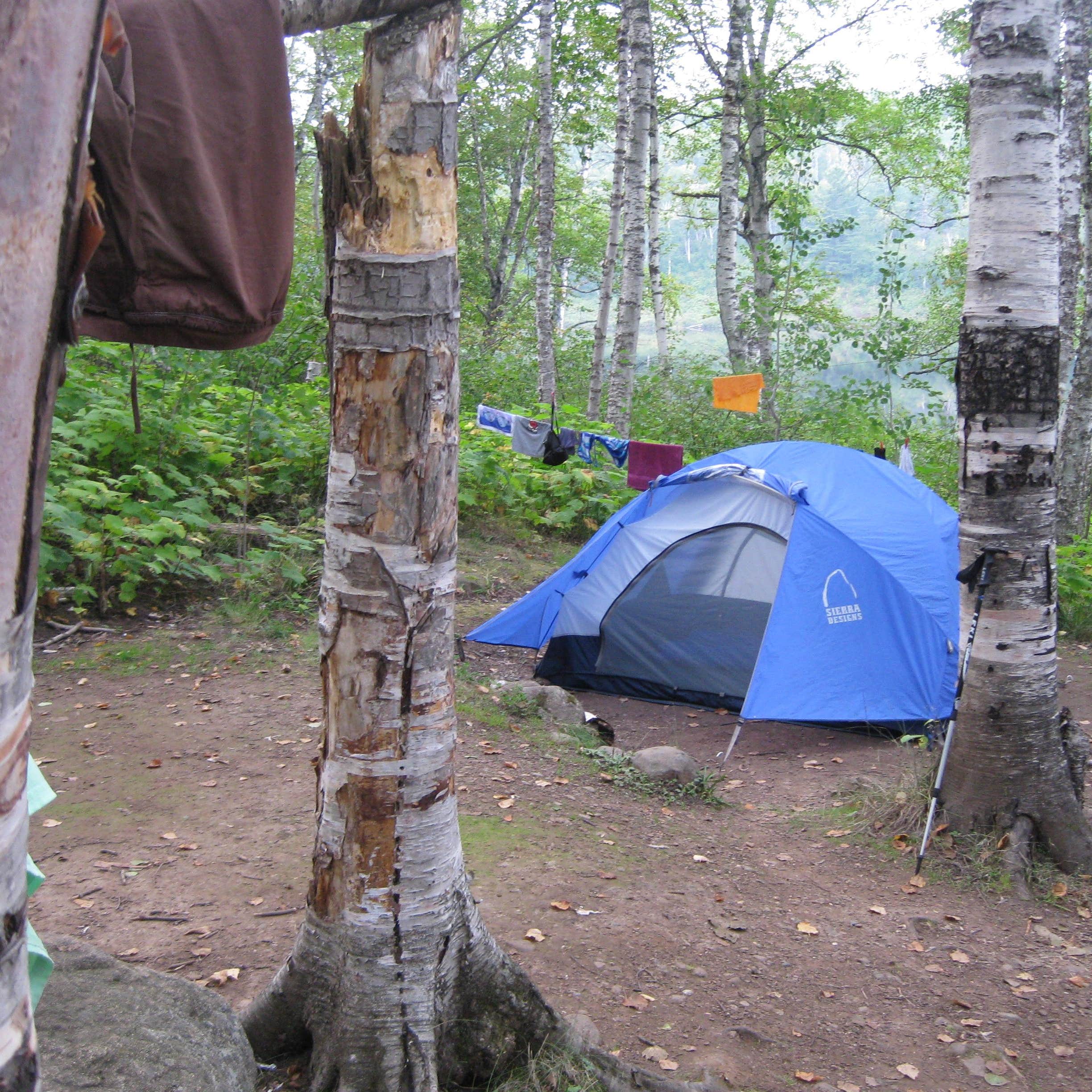
Hatchet Lake Campground sits along the Greenstone Ridge's south side, down a 1.2-mile spur trail about halfway between West Chickenbone and South Desor. It contains 3 tent sites near the forested shore of Hatchet Lake, a small inland lake. This quiet spot is a common break for those tackling the Greenstone in multiple days. There are no shelters or docks -- only the basics. Water is taken from the lake (often warm and tea-colored; always filter and treat due to possible algae or beaver activity). Hatchet Lake is known for being very peaceful; you might hear wolves howling in the distance at night.
Lake Richie Canoe Campground — Isle Royale National Park
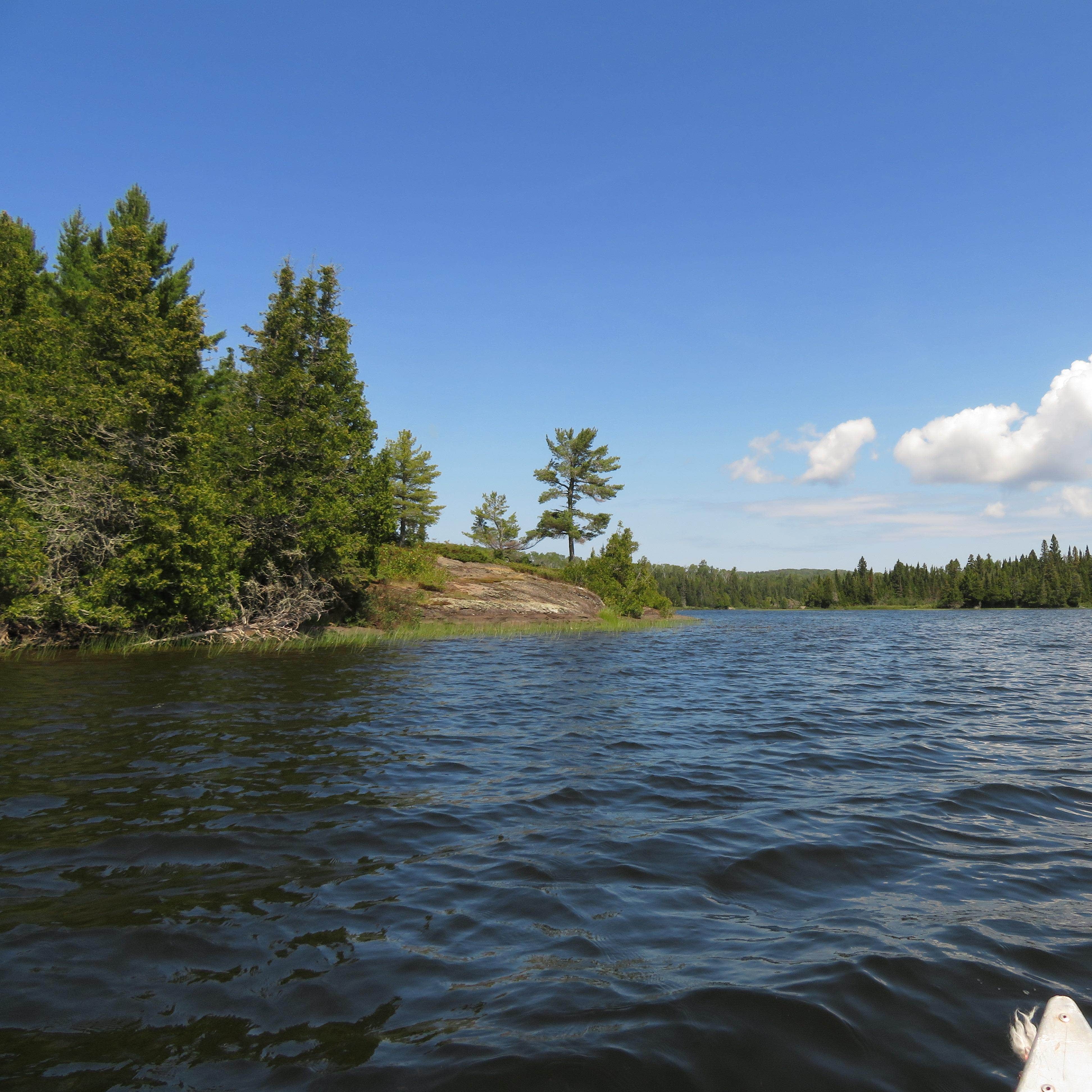
Lake Richie Campground sits on the north shore of Lake Richie, an interior lake along the cross-island route connecting Rock Harbor to Moskey Basin and beyond. It offers 4 tent sites in a wooded area by the lake (no shelters). Lake Richie is a popular canoe route lake; the campground is adjacent to a canoe/kayak portage, and paddlers sometimes overnight here. As with all interior lake camps, water must be filtered and treated -- Lake Richie has active algae bloom advisories in recent seasons, so check conditions before drawing water. At night you'll hear frog choruses and loons. Lake Richie is a good spot for trying to catch walleye if you packed a collapsible fishing rod.
Lake Richie Campground — Isle Royale National Park
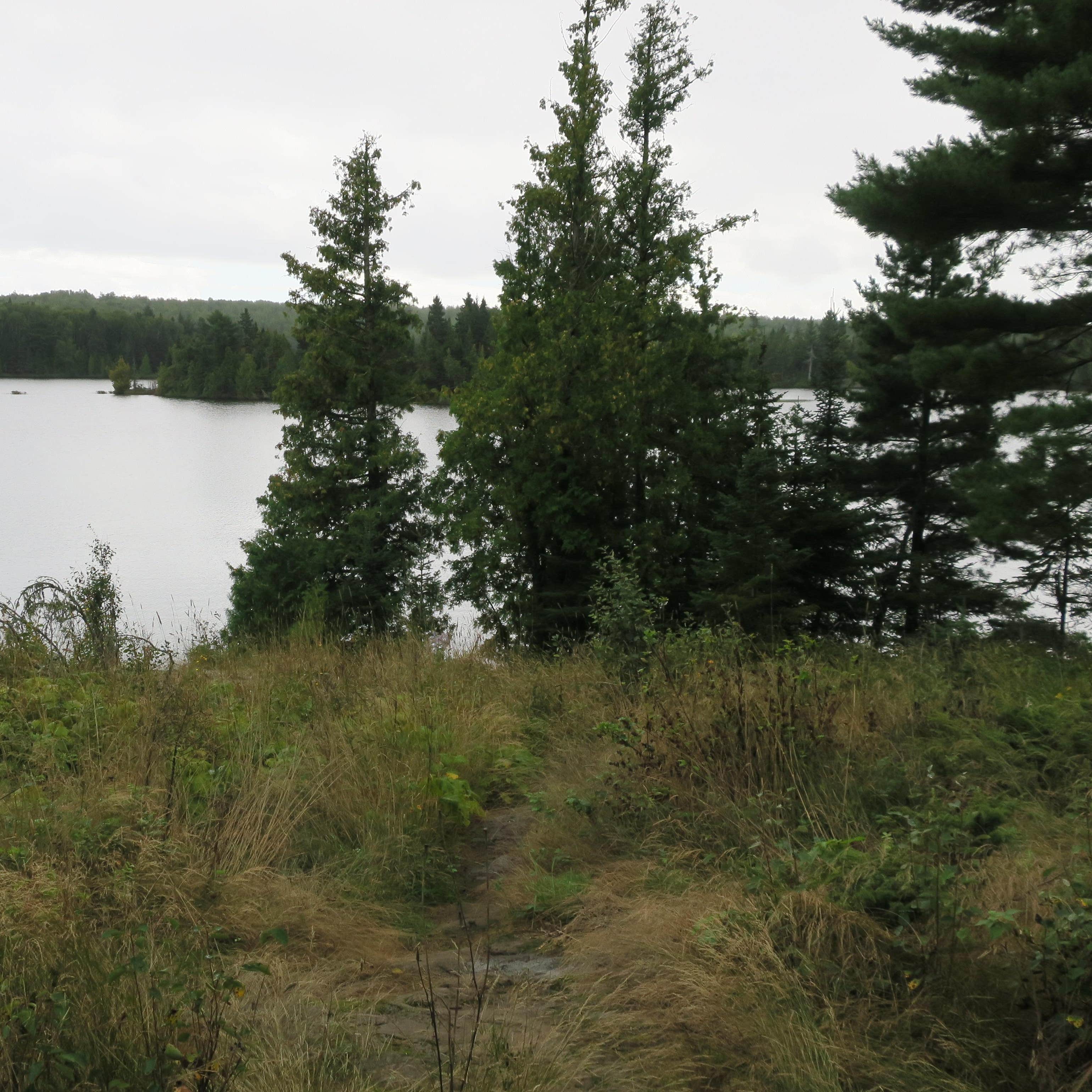
Lake Richie Canoe Campground is a separate small camping area on Lake Richie designated specifically for paddlers. It's accessible via canoe portage and not directly along the hiking trail. This campground has 2 tent sites and a shallow shoreline perfect for landing canoes or kayaks. It's commonly used by paddlers doing the interior lake canoe route (linking to Lake Whittlesey and Chippewa Harbor). The vibe here is very quiet -- often no one else around except perhaps a moose feeding on aquatic plants at dawn. Like other paddle-in sites, beyond an outhouse there are minimal extra facilities. Algae bloom advisories at Lake Richie apply here as well -- treat all water before use.
Lake Whittlesey Campground — Isle Royale National Park
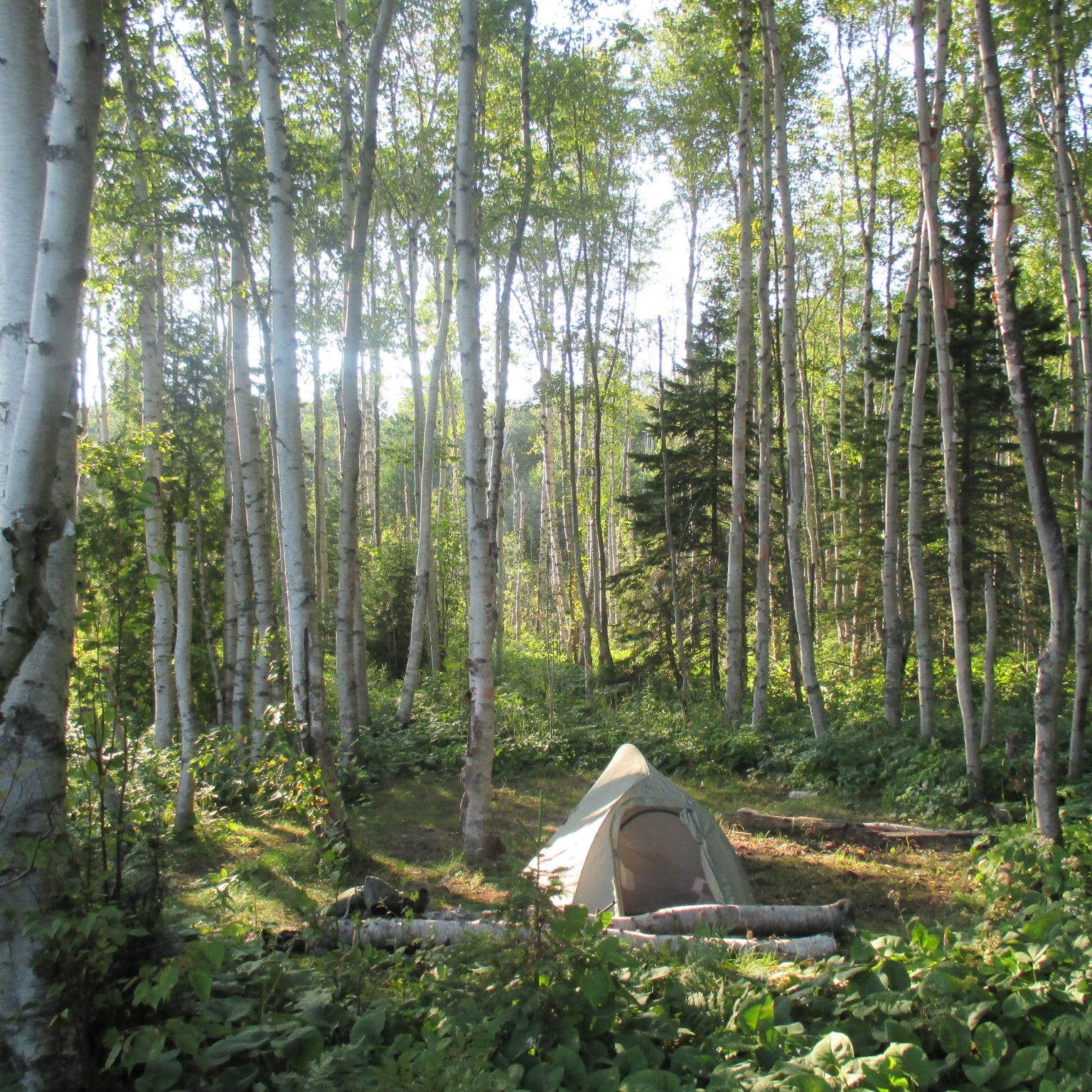
Lake Whittlesey Campground is an inland canoe-access campground sitting on Lake Whittlesey's western end, reached via a portage from Chippewa Harbor or Lake Richie. It features 2 tent sites tucked in dense woods by the lake. This is a paddlers' haven -- hikers typically do not reach Whittlesey since there's no trail. The sites are primitive and see light use. Campers who venture here will find excellent fishing opportunities (northern pike lurk in the weedy shallows) and quiet waters for evening canoe paddles. As always in the interior, mosquitoes can be intense in summer. Whittlesey is a true off-the-beaten-path spot where you'll likely camp alone.
North Desor Campground — Isle Royale National Park
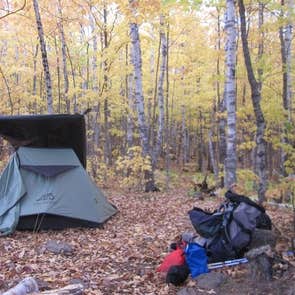
North Lake Desor Campground is perched above the north shore of Lake Desor, an interior lake along the Minong Ridge Trail. It provides 3 tent sites in a beautiful but very remote setting -- about 12 miles from Windigo or 6.5 miles from Little Todd. A steep side trail leads to the lakeshore where water can be collected. Algae bloom advisories are active at Lake Desor -- check with rangers before drawing water. This campground is typically used by backpackers tackling the challenging Minong Trail and is a welcome respite after the famously rough section from Little Todd. (Stay limit 1 night.) With no nearby dock or easy access, North Desor offers classic Isle Royale isolation.
South Lake Desor Campground — Isle Royale National Park
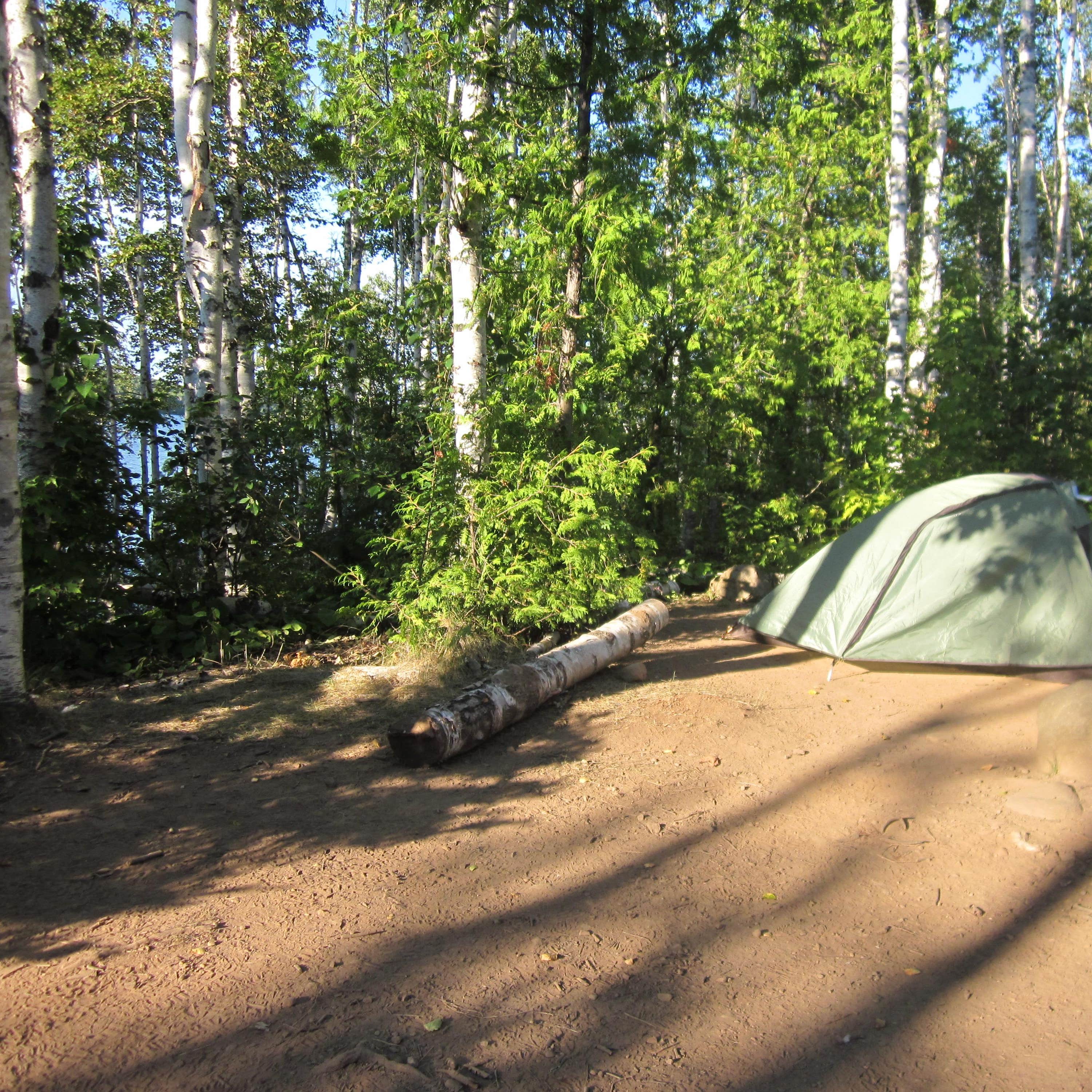
South Lake Desor Campground sits on the south side of Lake Desor, right off the Greenstone Ridge Trail (about 11 miles east of Windigo). It has 3 tent sites spread out in a quiet hardwood forest near the lake. Like North Desor, a path leads to the water's edge for filtering water or a cold dip -- algae bloom advisories apply at Lake Desor, so treat all water. South Desor is a halfway point for many Greenstone thru-hikers; it's less visited than some camps because it's a longer haul from either end. Moose frequent the area. There is no dock, no shelter, and no fires allowed. If solitude is what you seek on the Greenstone, South Desor often provides it.
Island Mine Campground — Isle Royale National Park
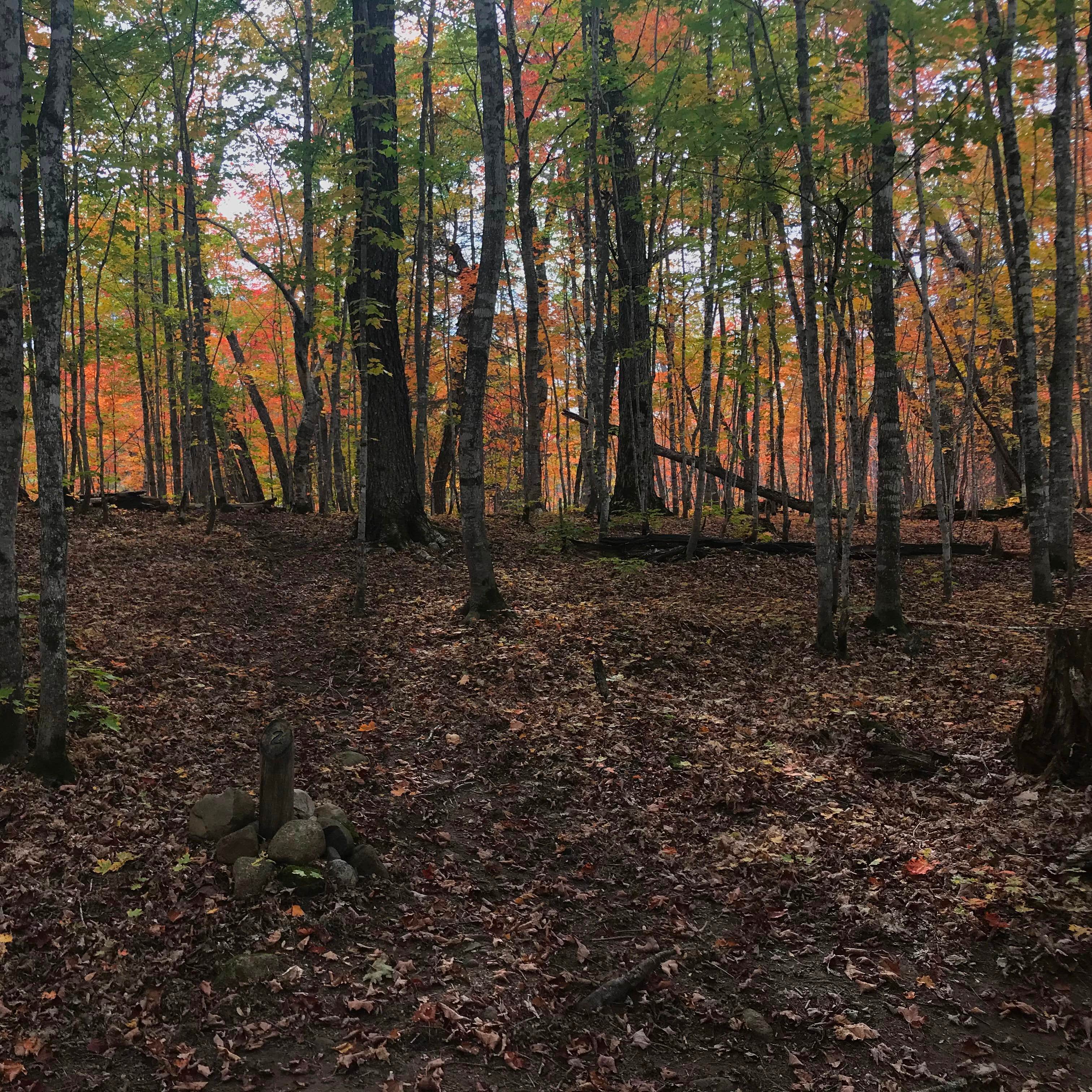
Island Mine Campground is an interior site along the Greenstone Ridge, about 6.9 miles from Windigo, set near an old copper mining area (no lake, a creek nearby seasonally). It consists of 5 wooded tent sites with an open understory of birch and maple. While there are no sweeping views here, it's one of the few camps with a (intermittent) freshwater stream (Island Mine Creek) -- check at Windigo if it's flowing; otherwise you must carry water. This campground is usually a quiet overnight for Greenstone hikers. A bonus: it's one of the only places on the island where campfires are permitted in a fire ring (when fire risk is low), using downed wood -- a rarity on Isle Royale.
Windigo and Western Isle Royale Campgrounds
Washington Creek Campground — Isle Royale National Park
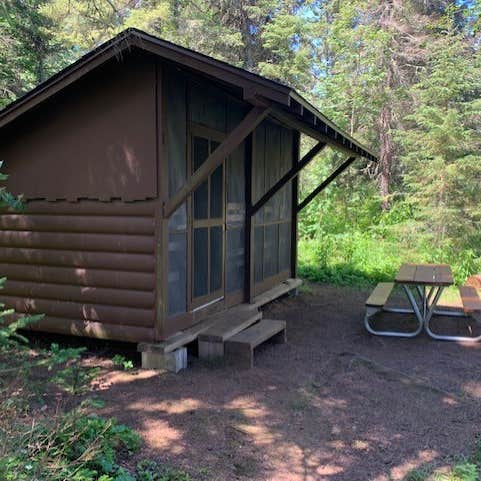
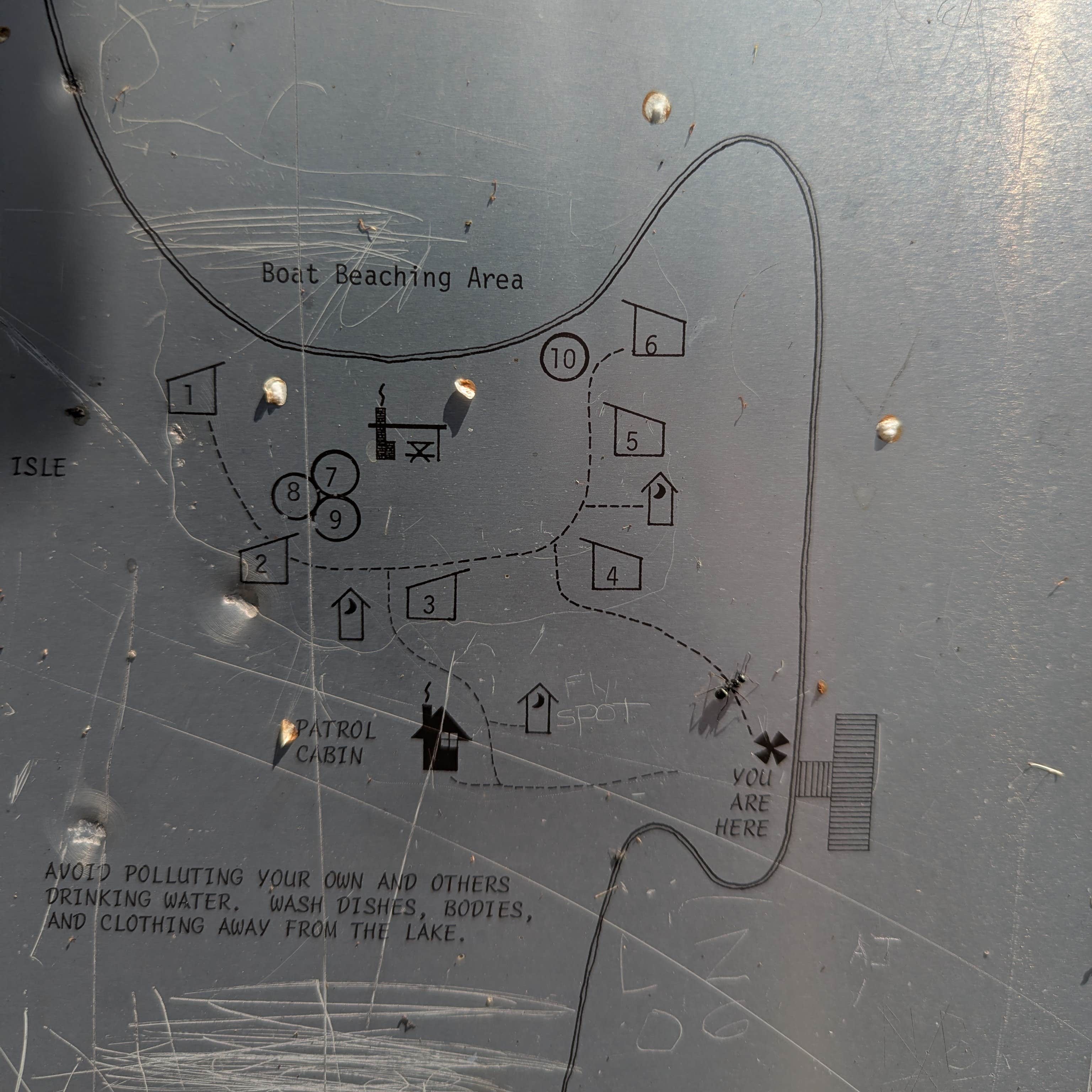
Washington Creek Campground is the main camping area at the Windigo end of the island (southwest). Just a 0.3-mile walk from the Windigo ferry dock, it offers 10 shelters, 5 tent sites, and 4 group sites spread along the grassy banks of Washington Creek, which flows into Washington Harbor. This campground is known for frequent moose sightings -- moose often wade in the marshy creek at dawn/dusk, visible right from your shelter. Campers have access to Windigo's amenities: potable water spigots, picnic tables, a small store, and showers and laundry at Windigo. Food storage lockers are provided at each site. (Stay limit 3 nights, or 5 nights after Labor Day.) New solar infrastructure at Windigo for 2026 means quieter nights without diesel generator noise.
Huginnin Cove Campground — Isle Royale National Park
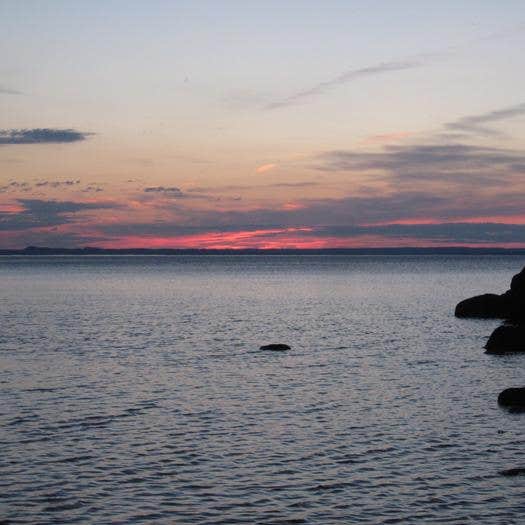
Huginnin Cove Campground sits on the northwest tip of Isle Royale, reachable by a 4.5-mile loop trail from Windigo. It has 3 tent sites (no shelters) set back in the woods from a rocky Lake Superior cove. Huginnin Cove offers a true sense of isolation -- you'll gaze out at offshore islands and the Canadian shoreline in the distance. There is no dock; water is from the lake. The cove's shoreline is great for agate hunting and watching sunsets. Because it's a loop hike, many use Huginnin as part of a 2-day side trip from Windigo (stay limit 3 nights). This spot has a rough appeal, with waves often pounding the rocks and possibly a curious fox paying a visit to your camp in search of scraps (secure your gear in your required animal-resistant container!).
Feldtmann Lake Campground — Isle Royale National Park
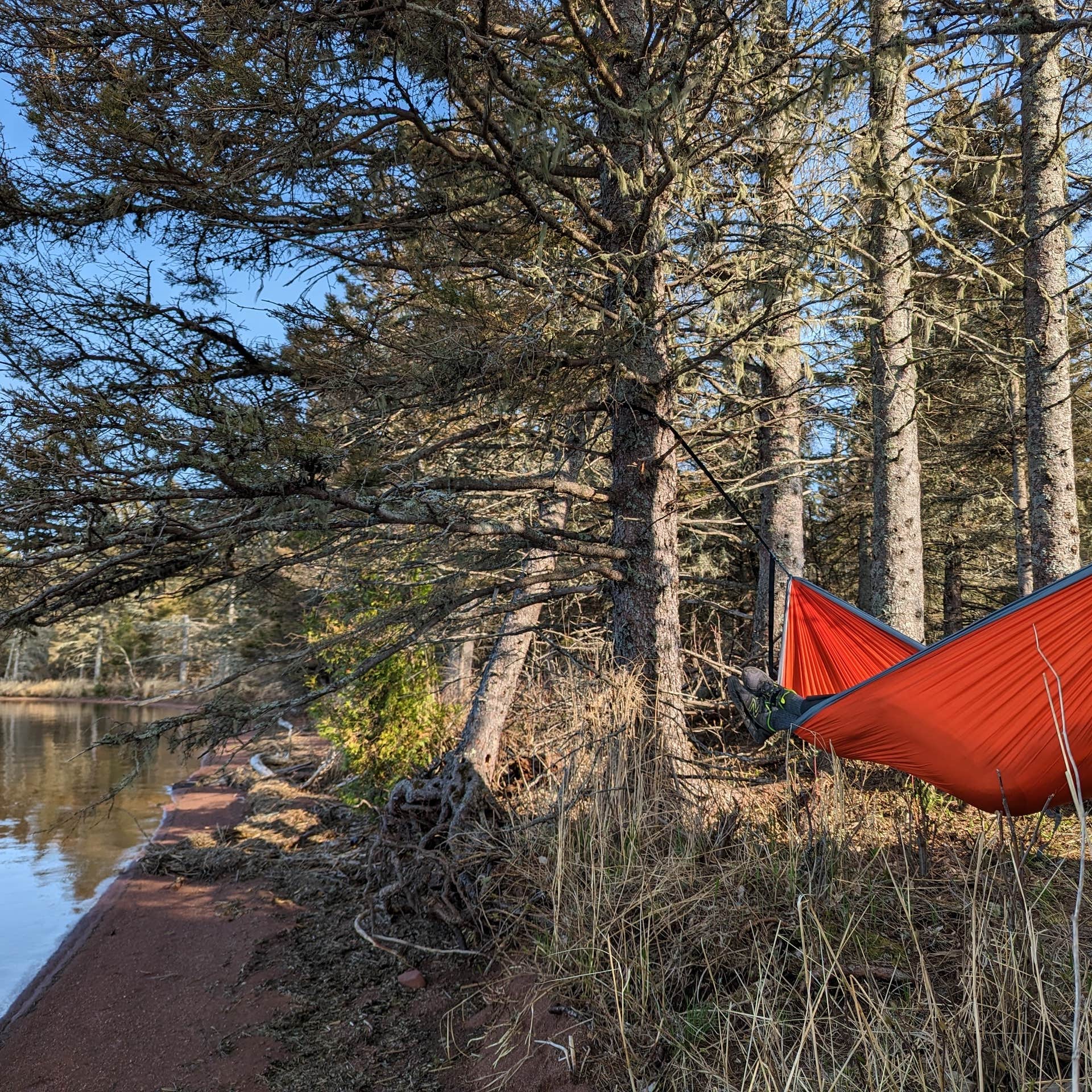
Feldtmann Lake Campground lies inland about 8 miles from Windigo on the Feldtmann Loop trail. It features 4 tent sites near the eastern tip of Feldtmann Lake, a large inland lake known for waterfowl and moose habitat. The sites are in a clearing with views of the lake. A short spur leads to Rainbow Cove on Lake Superior, famed for brilliant sunsets. Feldtmann Lake is often the first night for hikers doing the Feldtmann Loop. Expect quiet nights aside from loon calls. There are no shelters or dock, but the lake water is usually clear for filtering. Moose are very common in this area -- sightings from camp are likely, especially at dawn.
Siskiwit Bay Campground — Isle Royale National Park
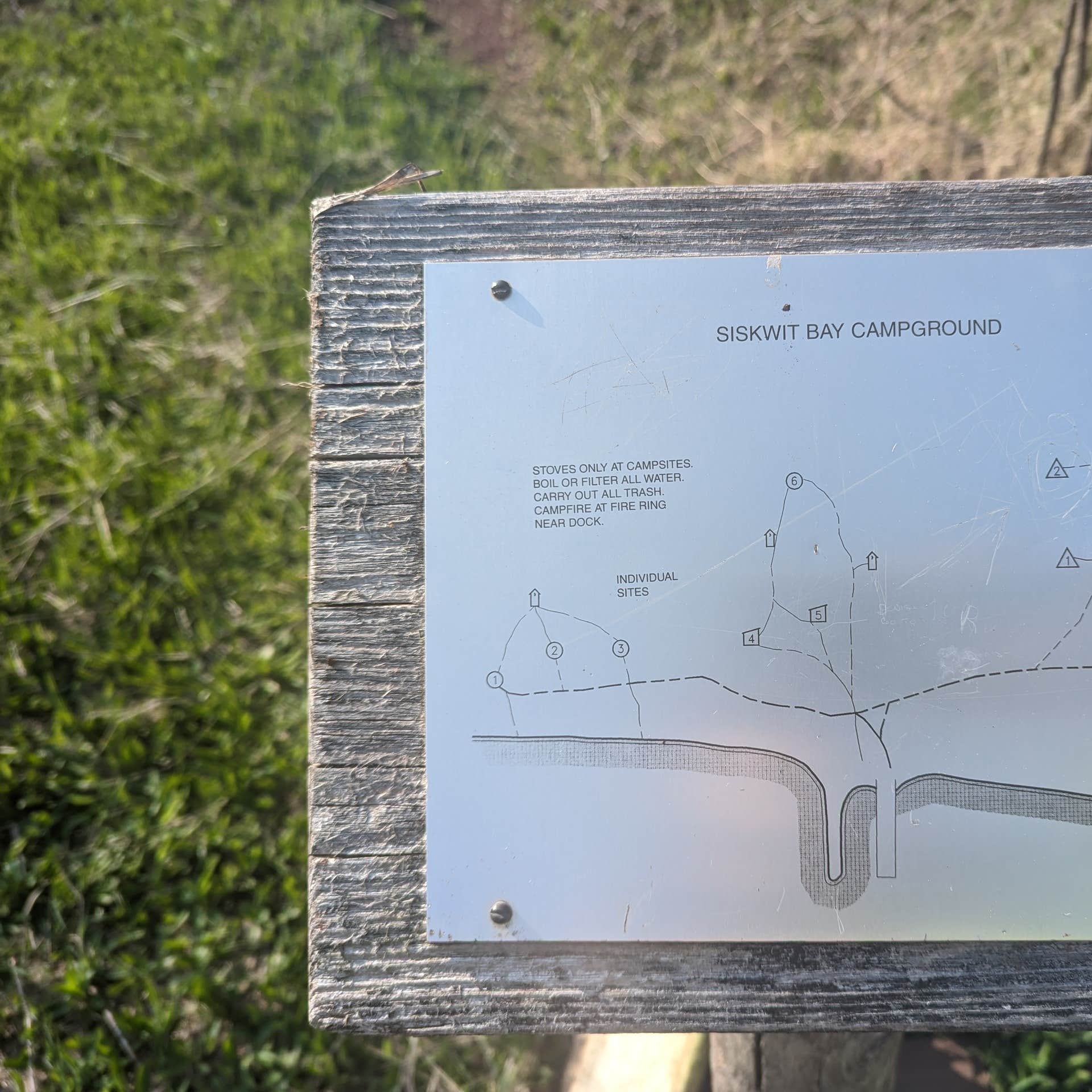
Siskiwit Bay Campground is located on the southwest shore of the island along a large bay of Lake Superior. It's 11.3 miles from Windigo via the Feldtmann Loop or Island Mine trail, or accessible by boat (Voyageur ferry stops here on its route). Siskiwit Bay offers 2 shelters, 3 tent sites, and 1 group site in a wooded area by the bay's sandy beach -- a unique treat as most Isle Royale shores are rocky. A dock extends into the bay, making it popular with boaters. This campground is a fantastic spot for swimming (in summer when the lake warms to the 50s degrees F) and fishing; many boaters catch lake trout here. Shelters have lovely views over the bay. (Stay limit 3 nights.) It's a favorite of those who venture to Isle Royale's quieter end.
Beaver Island Campground — Isle Royale National Park
Beaver Island Campground is a boat-in site situated on a small island in Washington Harbor, not far from Windigo. It has 3 shelters (no tent sites) all facing the water, and a dock for boat access. There is no trail access -- this campground is primarily used by boaters or paddlers who can reach the island. Beaver Island's shelters offer wonderful views of the harbor and nearby shoreline; at night you might hear the distant call of wolves from the main island. It's a peaceful spot despite being near Windigo (you're separated by water). (Stay limit 3 nights.) This campground gives a feeling of being on your own little island with just a shelter and the waves lapping at the rocks.
Boater and Canoe-Only Campgrounds
These campgrounds are accessible only by watercraft; no foot trails reach them, so they are typically used by kayakers, canoeists, or boaters.
Duncan Bay Campground — Isle Royale National Park
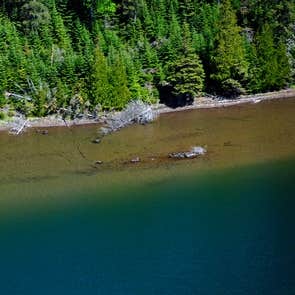
Duncan Bay Campground is a boat-access site on the northeast side of the island, inside Duncan Bay (east of Five Fingers region). It has 4 tent sites and a small dock on a quiet, forested bay. The campground is a favorite lunch or overnight stop for kayakers paddling the Five Fingers area. There is a short portage trail nearby leading to Duncan Narrows Campground (on an inner bay). No trail connects to the interior. Visitors enjoy calm water ideal for paddling and fishing, and often have the entire bay to themselves in the evenings.
Duncan Narrows Campground — Isle Royale National Park
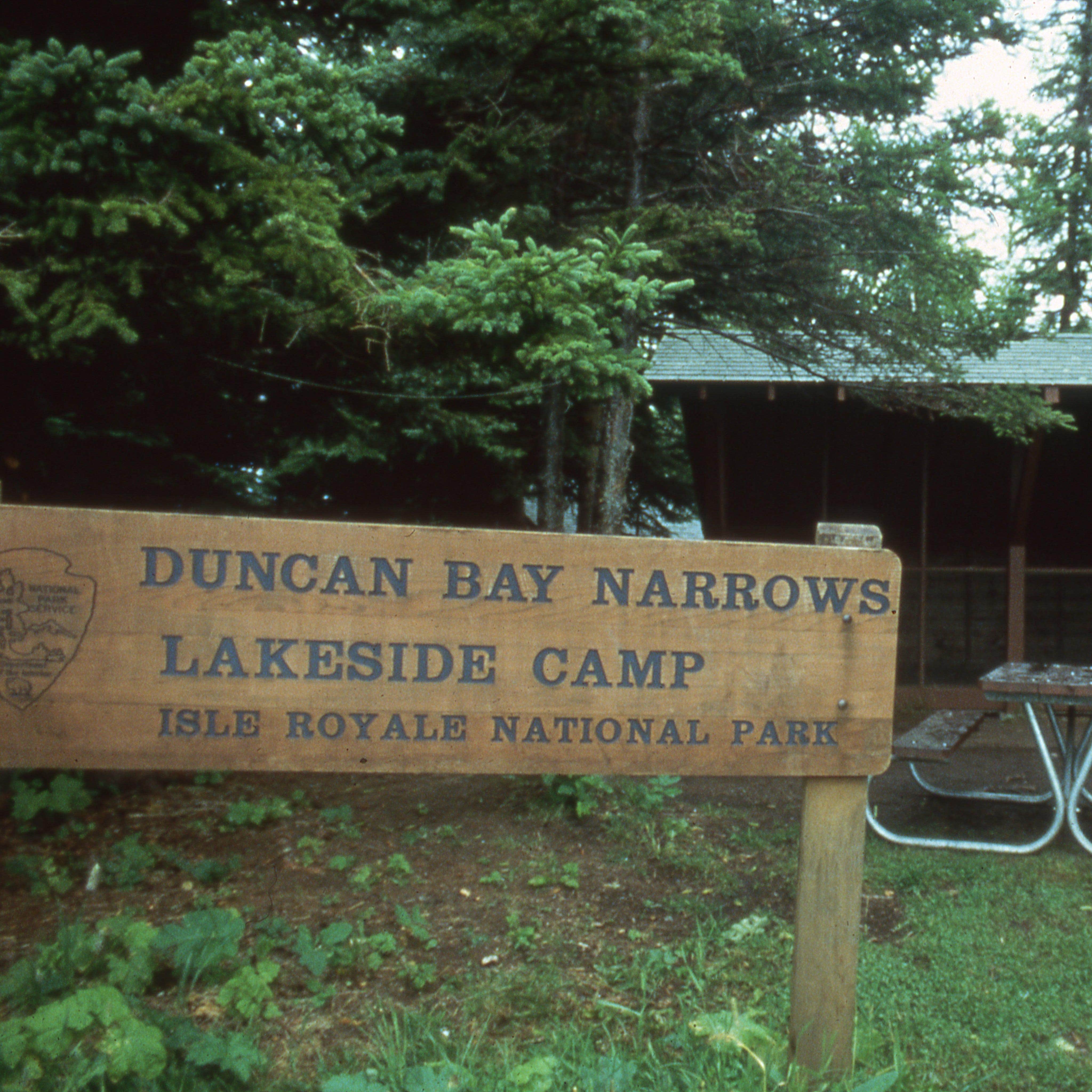
Duncan Narrows Campground is located at a narrow channel between Duncan Bay and Five Finger Bay. This boat-in site offers 2 shelters and 2 tent sites in a secluded wooded setting. Boaters and paddlers use Duncan Narrows as a sheltered anchorage; a dock is available. The narrows area sees otters and beavers frequently, and loons nest in the quiet waters. A short portage trail connects to Duncan Bay Campground. With its limited sites, Duncan Narrows is typically quiet -- you might only share it with a couple of sailboats anchored nearby. It's an excellent base for canoeists exploring the nearby inlets and coves.
Merritt Lane Campground — Isle Royale National Park
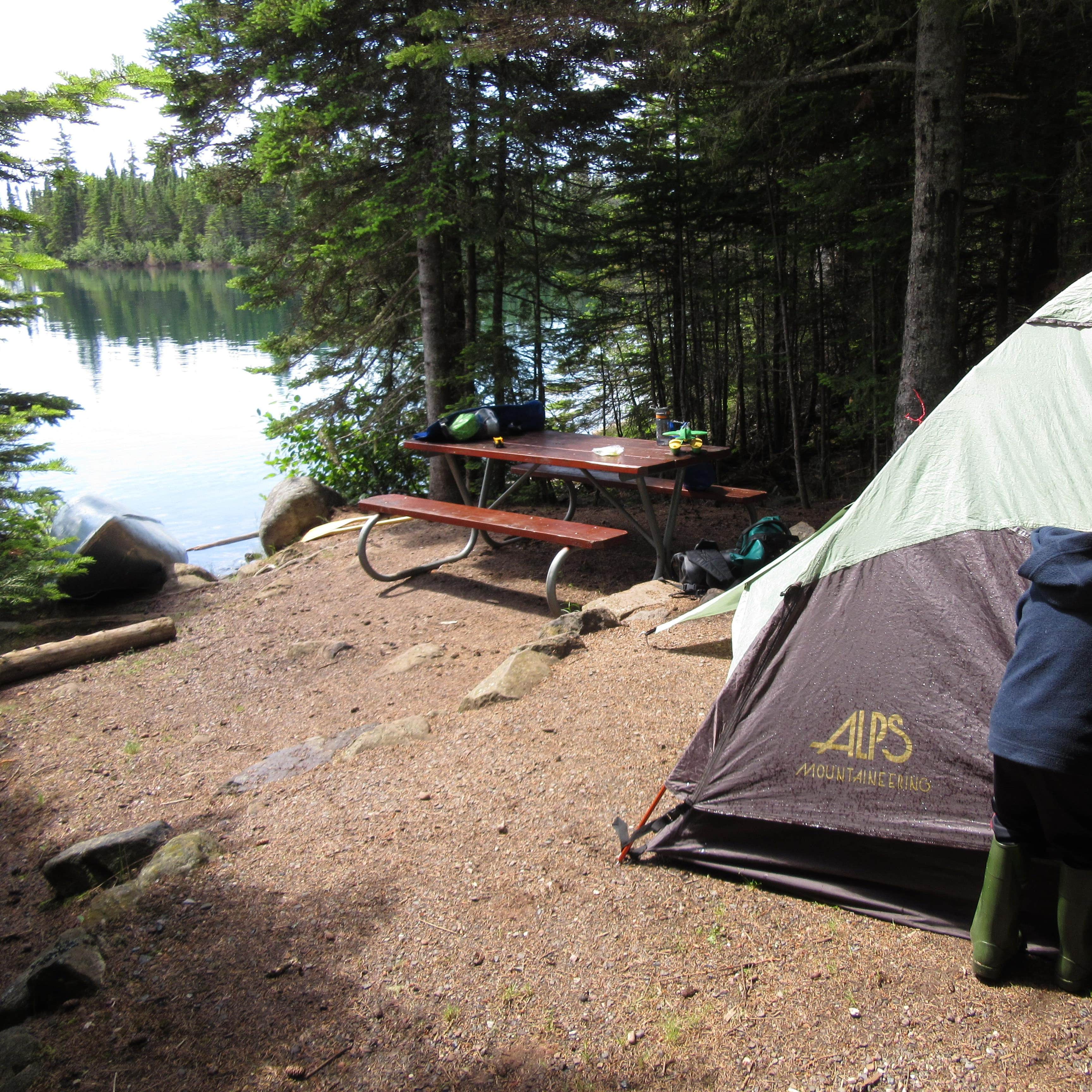
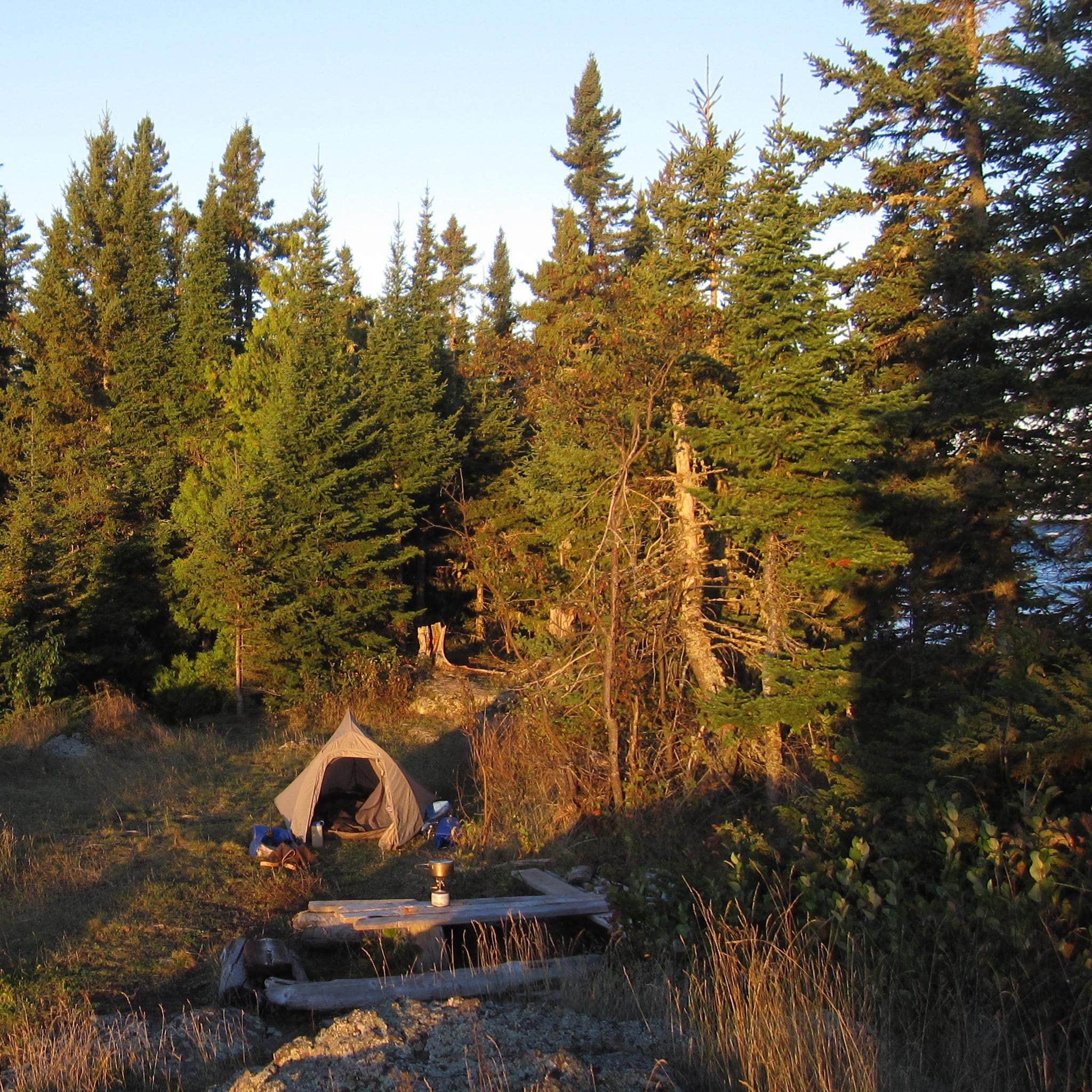
Merritt Lane Campground is a remote boat-in campsite located off the south side of Isle Royale's eastern end, near Blake Point. Tucked in a calm cove of Middle Islands Passage, it features 2 tent sites and 1 shelter on a small wooded island (connected by land bridge) known as [Tookers Island](https://thedyrt.com/camping/michigan/tookers-island). There is a dock for boat access. No hiking trails reach Merritt Lane -- it sees only boaters and the occasional paddler. Campers here are treated to both sunrises and sunsets over Lake Superior due to the island's position. This site offers true quiet; often the only sounds are waves and gulls. (Stay limit 3 nights.) It's considered a hidden gem by boaters who know of it.
Pickerel Cove Campground — Isle Royale National Park
Pickerel Cove Campground is a paddle-in only site on the north shore of Isle Royale, near McCargoe Cove. This small campground (1 shelter, 2 tent sites) sits on a quiet cove that is accessible via canoe/kayak (a short portage from Pickerel Lake or from McCargoe). It's surrounded by dense forest and feels very secluded. Paddlers often choose Pickerel Cove to overnight while doing the inland lakes route. The shelter overlooks the cove where early mornings may bring mist and moose feeding on aquatic plants. There is no foot access, so it's rare to see others unless they arrived by boat. The serenity and chance for wildlife encounters are major draws for those who venture here.
Belle Isle Campground — Isle Royale National Park
Belle Isle Campground is located on Belle Isle, an outer island off Isle Royale's northeast end (near the entrance to Five Finger Bay). It's a boaters' favorite, offering 6 shelters and a dock in an attractive setting. The terrain is a mix of forest and rocky shoreline with views toward Canada. There is a well nearby for water (unique for a backcountry site, though always check if functional). Belle Isle often serves as a layover for boaters, with a 5-night stay limit (longer than most camps). Fishing for northern pike is good in surrounding channels. With its shelters and island setting, Belle Isle provides a bit of comfort while still being off the main island.
Grace Island Campground — Isle Royale National Park
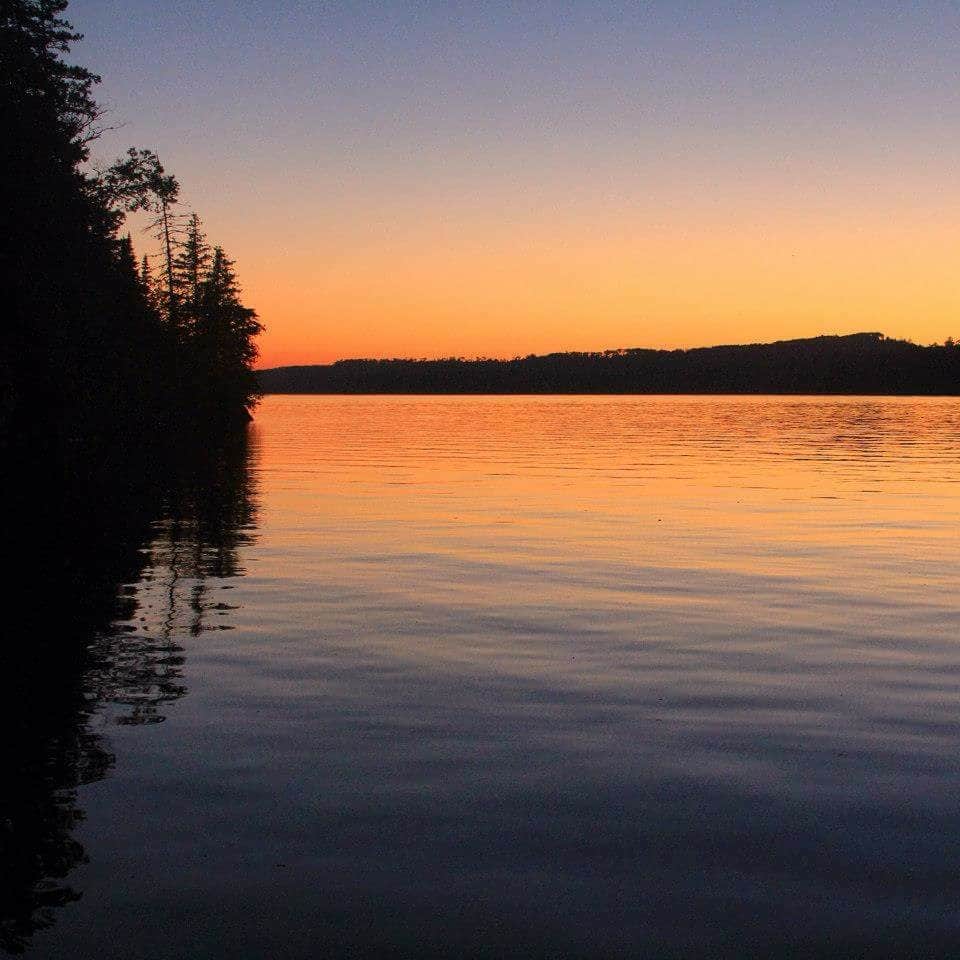
Grace Island Campground sits on a small outer island accessible only by boat or kayak. This isolated campground offers primitive tent sites with views of Lake Superior and the surrounding archipelago. Paddlers and boaters who reach Grace Island are rewarded with exceptional solitude and dark skies at night. The rocky shoreline provides opportunities for fishing and wildlife observation. Water must be filtered from the lake. This is one of the least-visited campgrounds in the park, making it ideal for those wanting a true wilderness escape.
Caribou Island Campground — Isle Royale National Park
Caribou Island Campground is another boat-access only site in Isle Royale's outer island chain. This small, primitive campground offers tent sites on a quiet island away from the main trail system. Kayakers and boaters use Caribou Island as a stopping point when exploring the northeastern waters of the park. The campground has basic facilities with a pit toilet and requires water filtration from Lake Superior. Wildlife viewing opportunities include loons, eagles, and occasional moose swimming between islands.
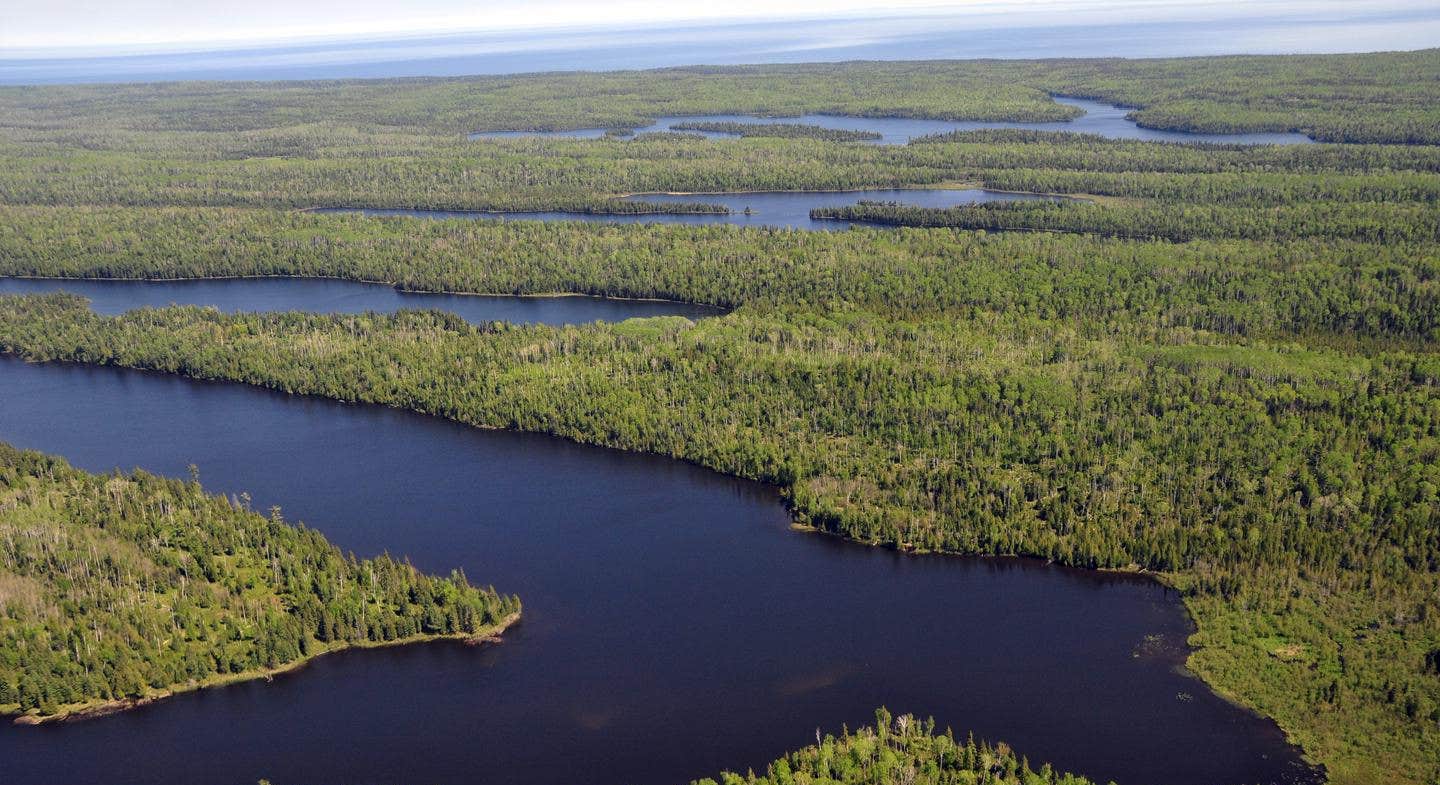 Photo by The Dyrt
Campground Comparison Table
| Category | Top Pick and Rating | Key Highlights |
|---|---|---|
| Best Waterfront Views | Moskey Basin Campground 5.0/5 stars | Shelters on the lakeshore, gorgeous sunrises, frequent moose and loon sightings, bay perfect for morning coffee |
| Best Solitude Campground | Lane Cove Campground 5.0/5 stars | Remote north-shore location, very few visitors, distant wolf howls at night, expansive views of Lake Superior |
| Best Basecamp for Hiking | Daisy Farm Campground 4.5/5 stars | Central location with ranger station, many shelters (including ADA site), access to Greenstone Ridge and Ojibway Tower, dock, social vibe with fellow backpackers |
| Best for Moose Viewing | Washington Creek Campground 4.5/5 stars | Moose frequently wade in the creek at dawn and dusk, easy access to Windigo amenities and solar-powered facilities, shelters along the water |
| Best for Paddlers | Belle Isle Campground 4.5/5 stars | Six shelters with dock access, well for water, protected harbor, good fishing in surrounding channels |
Campground Amenities and Best Uses
Harbor Campgrounds: Sites like Rock Harbor, Windigo (Washington Creek), and others along Lake Superior tend to have more amenities. Most have Adirondack shelters (providing protection from rain/bugs and no need to pitch a tent if you snag one) and docks for collecting water or mooring small boats. These harbor sites are great for basecamps -- you can do day hikes or fishing trips and return to a relatively comfortable shelter and access potable water (at Rock Harbor/Windigo). However, they are also the busiest campgrounds on the island. Food storage lockers are provided at Rock Harbor and Washington Creek. Expect to see more people and for shelters to fill up in peak season. Wildlife like foxes and squirrels frequent these camps, so food storage vigilance is critical -- and with active wolf-hazing programs underway near Rock Harbor, following all food storage rules is non-negotiable.
Interior Campgrounds: Backcountry sites along inland trails or lakes (e.g. Chickenbone Lake, Hatchet Lake, South Desor) are more primitive. None of the interior campgrounds have shelters or docks -- camping is in designated tent sites on the ground. Water comes from inland lakes or streams (always treat it; algae bloom advisories are active at Chickenbone Lake, Lake Richie, and Lake Desor -- check for surface scum or odors before drawing water). These spots are usually quieter and see fewer groups, offering a more wild setting. Campfires are generally not allowed, so you'll rely on your stove. For more interior options, browse South Lake Desor photos and reviews to get a feel for what awaits deep on the Greenstone Ridge.
Boat-Access Campgrounds: For paddlers and boaters, sites like Duncan Bay, Duncan Narrows, Belle Isle, and Pickerel Cove offer access to areas hikers cannot reach. These campgrounds provide exceptional solitude and are perfect for multi-day kayak or canoe trips around the island's shoreline and interior lake systems. Additional paddle-in options include Hay Bay, Intermediate Lake, and Wood Lake campgrounds. Paddlers wanting to sample the Five Fingers area from the water will also find Grace Island and Caribou Island are solid boat-in options worth the detour.
Best Campsites at Isle Royale National Park
The following individual sites and shelter numbers stand out based on community reviews and Dyrt Ranger reports. Keep in mind all sites are first-come, first-served -- these are targets, not guarantees.
Moskey Basin Shelter 1 or 2: The front-row shelters at Moskey Basin sit closest to the water and face directly across the bay. Arriving by early afternoon on any summer day is the only strategy -- they go fast. Campers who snag them often describe waking up to moose silhouettes across the calm water as one of the best moments of their trip.
Daisy Farm Shelter 1 (ADA): The ADA-accessible shelter at Daisy Farm is the most spacious shelter on the island and sits close to the dock. It's a good choice if any member of your group has limited mobility or if you simply want extra space to spread out your gear after a long haul.
Washington Creek Shelters 7-10: These shelters at Washington Creek sit closest to the creek where moose most commonly wade. Position yourself here before dusk for the best wildlife viewing from camp. The Windigo camper cabins are a step up in comfort if you want walls and a roof -- they book out for the entire season within days of opening, so plan a year in advance.
Todd Harbor Tent Site 1: Right on the rocky shoreline, Todd Harbor's first tent site gets the unobstructed Lake Superior breeze that cuts bug pressure significantly. The trade-off: it's exposed in rain. Bring a solid tent and good stakes.
Lane Cove Tent Site 3: At the far end of the cove with the widest water view, this site at Lane Cove is consistently cited as the spot where campers have heard wolves howling at night. The long hike in is entirely worth it.
Planning Your Isle Royale Camping Trip 
When to Visit Isle Royale
| Season | Temperatures | Camping Conditions |
|---|---|---|
| Spring (April-May) | Days: 40s-50s degrees F Nights: Below freezing possible | Park opens mid-April Very few visitors Trails muddy, some snow Wildlife active |
| Summer (June-August) | Days: 60-75 degrees F Nights: 45-55 degrees F | All services operating Peak visitation (still quiet) Bugs worst June-early July Longest daylight hours |
| Fall (September-October) | Days: 50s-60s degrees F Nights: 40s degrees F, frost possible | Minimal bugs Fall colors mid-September Services close mid-September Fewer visitors |
| Winter (November-March) | Well below 0 degrees F | Park completely closed No access permitted November 1 - April 15 |
Spring (April-May): Early season on Isle Royale is quiet and cold. The park typically opens to visitors by mid-April when the first ferries begin service (ice conditions permitting). In April, daytime highs may only reach the 40s degrees F, and nights dip below freezing. By late May, temperatures moderate into the 50s degrees F daytime. Trails in spring are often muddy or even still snow-covered in shady areas, so waterproof boots and gaiters are helpful. You'll encounter virtually no crowds -- in April you might be one of only a handful of campers on the entire island. Wildlife viewing is excellent as moose are very active after winter, and migratory birds return. Services are limited: the Rock Harbor lodge and Windigo store usually don't open until mid-May. Spring also means few bugs (black fly season typically starts late May). If you can handle brisk weather and potentially rough Lake Superior crossings, spring offers solitude and an awakening forest with blooming wildflowers.
Summer (June-August): Summer is peak season on Isle Royale. By mid-June the island becomes lush and green, and all visitor services (stores, visitor centers, canoe rentals) are up and running. July and August bring the warmest weather -- highs around 70 degrees F (occasionally 80 degrees F on a hot day inland) and nights in the 50s degrees F. This is the most popular time for backpacking trips and paddling excursions. Campgrounds will have the most visitors, especially around the 4th of July and early August. Insects are at their worst in June and early July: mosquitoes and black flies can be relentless in calm, wooded areas. Bringing head nets and plenty of repellent is advised. By August, insect populations diminish significantly. All ferries operate at full schedule, and they tend to fill up -- you'll want to reserve your ferry or seaplane well in advance for summer dates. Summer offers the full Isle Royale experience: long daylight hours (it stays light past 10pm in June), ranger programs at Windigo and Rock Harbor, and the waters of Lake Superior are just warm enough (50s degrees F) for a quick swim. Thunderstorms can roll through, so carrying rain gear is important even in the sunniest month of July. For late August visitors, the island is often considered the sweet spot: warm days, greatly reduced bugs, and full services still running.
Fall (September-October): Fall is a fantastic time to visit if you want a quieter Isle Royale. After Labor Day, visitor numbers drop sharply. Early September often still has mild days in the 60s degrees F with cooler nights (40s degrees F), but by October, frost and even occasional snow flurries can occur. The foliage starts turning golden and red -- Isle Royale has pockets of aspen and maple that provide fall color especially mid-September to early October. Bugs are minimal (a big relief). Many services shut down in mid-September: the Rock Harbor lodge and Windigo store usually close by the third week of September, and the last ferries of the season depart by end of September. Note: After September 21, normal campground stay limits are lifted at most sites except Rock Harbor and Windigo, so you have more flexibility in itinerary if you're among the few out there. For information on camping the broader North Shore of Lake Superior before or after Isle Royale, The Dyrt Magazine has a full guide.
Winter (November-March): Isle Royale is closed in winter -- from November 1 through April 15, the park (including all campgrounds) is officially off-limits to visitors. Lake Superior around the island often freezes, and the island is left to the wolves and moose with no human presence. Attempting to access the park in winter via private plane or ice bridge is prohibited for safety and conservation reasons. In late January 2026, an ice bridge formed between Isle Royale and the mainland for the first time in over a decade -- a reminder of how isolated the island truly is in winter and how complete the seasonal shutdown is.
Isle Royale Ferry Transportation and Permits
Because Isle Royale is an island about 55 miles from the nearest mainland port, planning your transportation is crucial. There are two main ferries and one seaplane service that bring visitors (and their gear) to the park. For 2026, all four services are operating with updated fares.
From Michigan (Copper Harbor or Houghton): The Isle Royale Queen IV ferry runs from Copper Harbor, MI to Rock Harbor (east end) and takes about 3 hours 45 minutes. Adult round-trip fare is $175 ($87.50 one-way); canoes and kayaks are $60 round-trip. The NPS-operated Ranger III runs from Houghton, MI to Rock Harbor (about 6 hours, carries canoes/kayaks and fuel). Ranger III adult one-way fare is $80; children ages 1-15 pay $40 one-way. These ferries operate May through early September. Summer dates book months in advance -- reserve as early as possible. Campers staying on the mainland before their trip can find options for tent camping near Copper Harbor or at Fort Wilkins Historic State Park, which sits right in Copper Harbor.
From Minnesota (Grand Portage): Two smaller boats, Voyageur II and Sea Hunter III, run from Grand Portage, MN. The Sea Hunter III goes direct to Windigo (west end) in about 1.5 hours -- adult one-way camper fare is $110.50. The Voyageur II makes a circumnavigation, stopping at Windigo and continuing along the north shore with stops at campgrounds including McCargoe Cove and Belle Isle before reaching Rock Harbor -- adult one-way fare is $110.50, inter-island hops $90.50. Grand Portage boat parking runs $5/day. Visitors can find camping near Grand Portage, including cabin rentals near Grand Portage and RV camping near Grand Portage before or after their Isle Royale trip. A Minnesota neighbor worth knowing: the Birch Island campground is a short distance from Grand Portage and a good option if you're arriving a day early.
Seaplane: Isle Royale Seaplanes offers floatplane service from Hancock, MI (near Houghton) and Grand Marais, MN directly to either Windigo or Rock Harbor. The flight is only about 45 minutes and offers aerial views. While pricey (several hundred dollars per person), it's the fastest way to get there. Weight limits on gear apply, and weather can cancel flights, so flexibility is key.
Permits: Every group or solo camper must obtain a free backcountry camping permit upon arrival at the park (at Rock Harbor or Windigo ranger station, or from the captain of the Ranger III ferry). The permit covers your entire stay. Parties of 1-6 people can camp at all campgrounds with no advance reservation -- the permit is not a reservation, just a record. Large groups of 7-10 people need a group camping permit in advance ($25 fee) and must use designated group sites. Note: as of 2026, park entrance fees must be paid by credit or debit card only -- no cash accepted at fee stations. Cash is still accepted at the camp stores and lodge.
Important for 2026: Five cross-country camping zones remain closed due to fire damage from the 2021 Horne Fire and 2022 Mount Franklin Fire: Zones 10, 9A, 8A, 12A, and 11A. All islands on inland lakes and islands in Lake Superior (except the main island) are permanently closed to cross-country camping. If your itinerary involved cross-country camping in those zones, check the NPS website before arrival and revise your plans.
Campground Costs and Budgeting
One refreshing aspect of Isle Royale camping is the lack of campground fees -- once you pay the park entry fee and your transportation, there's no nightly cost to pitch a tent. However, there are other costs and money-saving tips to consider:
| Cost Category | Amount | Details |
|---|---|---|
| Park Entry Fee | $7/person/day or $60 season pass | Children 15 and under free; $80 America the Beautiful Pass covers all national parks. Credit/debit only -- no cash at fee stations. |
| Campsite Fee | $0 | All backcountry camping is free with permit |
| Group Permit (7-10 people) | $25 | Required in advance for groups larger than 6 |
| Ferry (one-way) | $80-$110.50/person | Ranger III: $80 (Houghton); Isle Royale Queen IV: $87.50 (Copper Harbor); Grand Portage boats: $110.50 |
| Seaplane (round-trip) | Approximately $300+/person | Fastest option; weather dependent; weight limits apply |
Additional Fees and Budget Tips
Park Entry Fee: Isle Royale charges an Individual Entrance Fee of $7 per person per day (children 15 and under free). If you're staying a week or more, the $60 Isle Royale season pass (covers up to 3 people) or the $80 America the Beautiful National Parks annual pass might be more economical. For example, a 5-day trip would be $35 per person, so the season pass pays off if you have a group or plan to return. Rangers will check for proof of fee payment when you get your permit -- you can pay online in advance or at the station by credit or debit card.
Ferry/Seaplane Costs: Transportation is the biggest cost. Ferries range from about $80 to $110.50 each way per person (depending on route). The seaplane is around $300+ round-trip per person. If you're on a tight budget, taking the Sea Hunter III from Grand Portage to Windigo (shortest ride, lower overall cost) and focusing on the west side could save some money over the longer Michigan ferries or the plane.
Lodging Before/After: Unless you live nearby, you'll likely need a night on the front or back end on the mainland. Towns like Houghton, Copper Harbor, Eagle Harbor, or Grand Marais have hotels and campgrounds -- booking in advance for summer is wise. Some ferry departures are very early morning (e.g. Queen IV from Copper Harbor at 8 am), so plan accordingly to stay nearby.
Food and Fuel: Prices on the island stores (Rock Harbor and Windigo) are higher than mainland for obvious reasons. A freeze-dried meal might cost $12-15 at the store versus $8-10 at home. Windigo gasoline runs $6.91/gallon. White gas or propane fuel is available in limited supply at premium cost. Bring all the stove fuel you'll need (ferries allow it in limited quantities -- check current regulations for each service). Bringing your carefully meal-planned food from home instead of relying on buying at the store will save money significantly.
Essential Gear for Isle Royale Camping
Isle Royale's remote, wet, and rugged environment means you need to pack carefully -- forgetting an item has more consequences here than at a drive-in campground. Key considerations include protecting yourself from the elements (rain, cold, insects) and being self-reliant for food, water, and safety. For more backpacking tips, browse The Dyrt's camping gear recommendations.
IMPORTANT 2026 gear requirement: Every overnight visitor must carry an IGBC-certified animal-resistant food container. This means a hard-sided bear canister (e.g. Bear Vault, Wild Ideas Bearikade) or an approved flexible container like an Ursack Major. Your container must hold all food, trash, scented toiletries, cooking gear, and anything else with an odor. Use the provided food storage lockers at equipped campgrounds; hang your container at sites without lockers (12 feet high, 6 feet from nearest trunk).
Shelter and Sleeping:
- Tent (or hammock with bug net) -- A sturdy, rainproof tent is vital. Sudden storms blow off Lake Superior with heavy rain and strong winds. Even if you plan to use shelters, bring a tent in case shelters are full or for flexibility.
- Rainfly and Ground Cloth -- Ground in shelters/tent sites can be damp; a footprint protects your tent floor. Use the rainfly even if it's clear -- weather changes fast.
- Sleeping Bag rated approximately 20 degrees F -- Nights are cool year-round. In May or late September, temps can hit 30 degrees F or lower. A down or synthetic 20 degree F bag provides warmth.
- Sleeping Pad -- Besides comfort, you need insulation from the cold ground. An R-value of 3 or higher is advisable.
- Mosquito Head Net and/or Screen Room -- In bug season, having a head net for hiking and a lightweight mesh enclosure can make a huge difference in comfort when mosquitoes swarm at dusk.
Cooking and Water:
- Backpacking Stove and Fuel -- Campfires are restricted or not possible at most camps, so a reliable stove is your lifeline for hot meals. Bring more fuel than you think you need.
- Water Filter or Purifier -- All water on Isle Royale (lake or inland) must be treated. A pump filter, gravity filter, or squeeze filter is standard. Many also carry chemical tablets or drops as backup. Note: filters do NOT remove algae toxins -- if you encounter a bloom (surface scum, strong odor), avoid that water source entirely.
- Water Containers -- Carry at least 2 liters capacity per person. Collapsible water bags are great for filling at the source and bringing back to camp.
- IGBC-Certified Bear Canister or Ursack (required) -- While there are no bears, the mandatory food storage regulation requires an approved animal-resistant container for all overnight visitors. This protects your food from wolves, foxes, and squirrels alike.
- Cookware and Utensils -- Bring a lightweight pot that fits your stove, a metal cup or bowl, spoon, etc.
- Extra Food -- Always pack a little more food than needed (a day's worth) in case weather delays your exit or you burn more calories than expected.
- Toilet paper -- Outhouses at many campgrounds are no longer stocked; bring your own supply.
Clothing and Footwear:
- Layered Clothing System -- Isle Royale's weather can swing from sunny 70s to windy 40s with rain in the same day. Pack layers: moisture-wicking base layer for hiking; warm mid-layer (fleece or puffy jacket) for evenings and cold snaps; waterproof rain jacket (a must) and rain pants if possible.
- A knit hat and gloves -- you'll appreciate them at night or on windy ridges, even in July.
- Extra socks (preferably wool or synthetic) -- keep one pair dry for sleeping. Wet boots and socks are common, so rotating to dry is crucial to prevent blisters.
- Hiking Boots/Shoes -- Trails are rocky, root-filled, and often wet. Sturdy, broken-in boots with good ankle support are recommended for backpackers especially.
- Camp Shoes -- After a long day, slipping into light camp shoes (sandals or camp sneakers) is a relief. It also lets your boots air out.
- Bug Protection -- In peak bug season, long pants and long sleeves of a tight weave can physically block bites. Many hikers treat their clothes with permethrin before the trip. Bring a good insect repellent (with DEET or Picaridin).
Navigation and Safety:
- Maps and Compass -- Do not rely on cellphone GPS (signal is virtually nonexistent). Carry the official Isle Royale topo map or a detailed trails map.
- Headlamp or Flashlight -- Needed for moving around camp at night or emergencies. Bring spare batteries.
- First Aid Kit -- A basic lightweight kit with bandages, blister care (moleskin, tape), antiseptic wipes, pain relievers, any personal medications, and perhaps an antihistamine for bug bite reactions.
- Emergency Communication -- There is extremely limited communication signal in the park. If you have a satellite communicator (Garmin InReach, SPOT, etc.), bring it for emergency SOS.
- Multi-tool or Knife -- Useful for gear repairs, cutting moleskin, opening food, and dozens of tasks.
- Fire Essentials -- Waterproof matches or a lighter (or two) stored in dry bags.
- Whistle and Mirror -- Lightweight signaling devices; a whistle can attract attention (three blasts is distress signal).
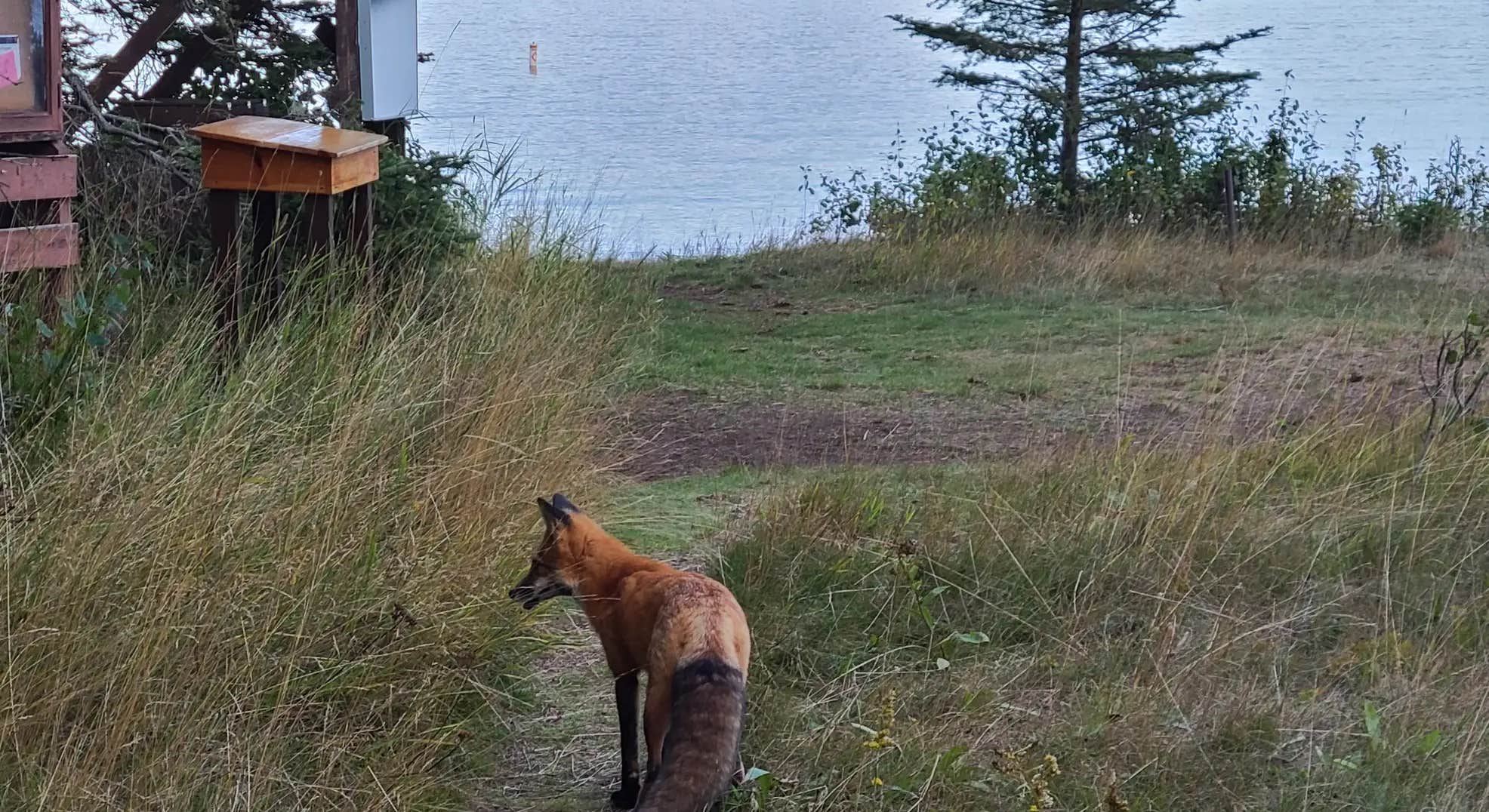 Photo by Tori K
Wildlife Safety and Park Regulations 
Moose and Wildlife Encounters on Isle Royale
Isle Royale is famous for its moose and wolves, which have a predator-prey relationship studied by scientists for decades. The wolf population has rebounded strongly thanks to the ongoing reintroduction program, with approximately 30 wolves on the island as of the most recent confirmed count (winter 2023-2024) -- organized into four territorial packs for the first time in over 15 years. The 2025-2026 winter wolf-moose survey was completed in February 2026, with official numbers expected in May 2026; preliminary reports indicate the wolf population remains high and the moose population continues to decline. The moose population has dropped roughly 60% from its 2019 peak of approximately 2,060 animals to around 840 in 2024. This wolf predation success has changed campground dynamics: wolves in the Rock Harbor area were documented dragging away backpacks and food in summer 2025, leading to the park's first-ever wolf euthanasia in August 2025 and the mandatory bear canister regulation taking effect immediately. Wolf hazing operations continue at both ends of the island. While wolves are elusive and generally avoid people, treat them the same way you would in any wolf-occupied wilderness.
Moose Safety Guidelines:
- Keep Your Distance: Always give moose a wide berth. Stay at least 50 yards away, more if possible. Use binoculars or camera zoom to observe. If a moose is on the trail, do not try to squeeze past -- back off and wait or bushwhack around at a safe distance.
- Never Approach or Feed: Do not approach any wild animal. Moose that feel cornered can become aggressive. Feeding wildlife is illegal and harmful.
- Watch Body Language: If you see a moose with ears pinned back, head lowered, or stomping the ground -- these are warning signs that you are too close. Slowly and calmly distance yourself or get behind solid cover (like a large tree) if one moves toward you.
- In Camp: Moose sometimes wander through campgrounds like Washington Creek or around inland lakes. Keep your campsite tidy. If a moose approaches your camp area, back away to a shelter or stand at a distance behind a tree.
- If Charged: It's rare, but if a moose charges you, run and get something large (a tree, boulder) between you and the moose. Moose usually charge as a bluff or to drive you off.
Other Wildlife and General Guidelines:
- Foxes and Squirrels: These smaller critters are the troublemakers for your food and gear. Red foxes on Isle Royale are notoriously bold -- they will sneak into campsites looking for an easy meal. Use the provided food storage lockers or your required animal-resistant container at all times.
- Wolves: The chances of seeing a wolf are slim. They generally avoid humans. In the rare event you encounter a wolf at close range, do not run. Stand tall, wave your arms, make noise. Never leave food accessible -- this is now a formal regulation, not just a suggestion.
- Beaver and Otters: Along waterways, you might see beavers or river otters. They won't bother you, but give them space and quietly observe.
- Insects: There are no deer ticks (Lyme disease) documented on Isle Royale due to its isolation. The bigger issue are mosquitoes, black flies, and no-see-ums. Use repellent and protective clothing.
- Fishing and Fish Waste: Many campgrounds allow fishing (with a Michigan fishing license). Keep your catch cleanings away from camp -- dispose of fish remains in deep water (at least 100 feet from shore). Under the 2026 food storage regulation, fish guts are considered a scented item and must be managed accordingly.
Park Regulations and Etiquette
| Regulation Category | Specific Rules | Penalties |
|---|---|---|
| Campfires | Fires prohibited at most sites. Allowed ONLY in provided rings/grills at a few campgrounds (e.g. McCargoe Cove, Malone Bay, Siskiwit Bay, Washington Creek, Island Mine). Use only dead/down wood; keep fires small and attended. | Rangers will enforce extinguishment of illegal fires. Possible citation and fine for fire violations (can exceed $200). |
| Food Storage (2026 Mandate) | All food, trash, scented toiletries, cooking gear, and fish must be stored in an IGBC-certified animal-resistant container at all times when not in immediate use. Use provided food lockers at equipped campgrounds. Hang containers at sites without lockers (12 ft high, 6 ft from trunk). | Citations and fines. Regulation driven by wolf-human food conflicts; strictly enforced. |
| Group Size | Max group size on trails/camps is 10. Groups larger than 6 must have a group permit and use designated group sites. Large groups may not occupy small-party sites or split to circumvent rules. | Group may be asked to relocate or split up. Fines and permit revocation for non-compliance. |
| Pets | No pets allowed anywhere on Isle Royale (except documented service animals). Pets are not permitted on ferries or seaplanes to the island. | Visitors arriving with pets will be denied entry or required to leave on next boat. |
Additional Park Regulations
Leave No Trace: Isle Royale is a designated wilderness. Pack out everything you pack in -- there are no trash cans in the backcountry. Even food scraps like orange peels or pasta should be packed out (wildlife will dig up buried scraps). Do not burn trash in campfires (foil, plastic, and food waste must be carried out). Use the outhouses provided at campgrounds for human waste; if you must go on trail, dig a cat hole 6-8 inches deep at least 200 feet from water and trail, and bury it. Do not wash dishes or yourself directly in lakes. Instead, carry water 150+ feet away and use a small amount of biodegradable soap if needed. Bring your own toilet paper -- outhouses at many campgrounds are no longer stocked.
Trail Etiquette: Stay on established trails to avoid trampling fragile flora (especially in boggy or lichen-covered areas on ridges). Isle Royale's trails can be narrow -- yield to uphill hikers or step aside at wide spots to let others pass. Keep noise to a considerate level; sound carries far in the quiet woods. Note: five cross-country camping zones (10, 9A, 8A, 12A, and 11A) remain closed due to fire damage from 2021-2022 -- stay on established trails and camp only in designated sites.
Wildlife and Fishing Regulations: Do not disturb or feed wildlife. This also means no collecting natural objects -- picking wildflowers, collecting rocks, antlers, old bones, etc. is prohibited. Fishing requires a Michigan fishing license (for ages 17 and up) which should be purchased before your trip. The Rock Harbor store sells Michigan fishing licenses (cash only for licenses). All fish waste must be disposed of in deep water well away from shore under the current food storage regulations.
Drones and Devices: The use of drones (unmanned aircraft) is illegal in all national parks, including Isle Royale. Do not bring or fly drones.
Quiet Hours: Official quiet hours are 10 pm to 6 am in campgrounds. Many campers hit the sack early and rise with the sun. Keep conversations low after dark.
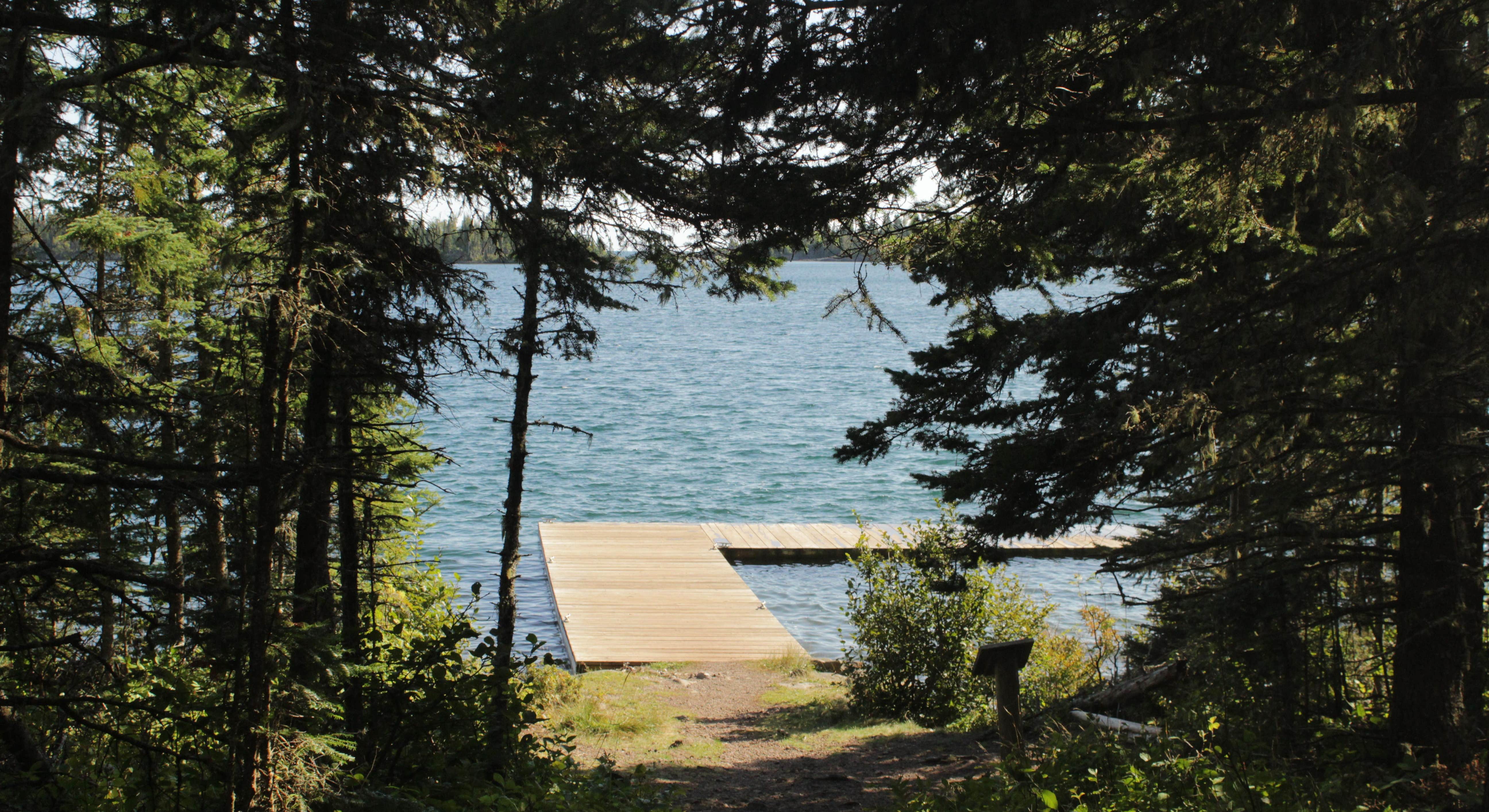 Photo by The Dyrt
Beyond the Campground: Activities and Exploration 
Day Trips from Isle Royale Campgrounds
From Rock Harbor (East End): Scoville Point Loop: A great 4.2-mile round-trip hike from Rock Harbor that skirts along rocky shores and through boreal forest to an exposed point with sweeping Lake Superior vistas. It's an easy half-day adventure from the Rock Harbor campground -- keep an eye out for ancient miner pits along the way and perhaps otters playing offshore near Scoville Point.
Hidden Lake and Lookout Louise: Take the Rock Harbor lodge water taxi to Hidden Lake dock (6 miles by boat) and hike 1.2 miles up to Lookout Louise, one of Isle Royale's most impressive viewpoints. You'll gaze down on the interior lakes and Canada in the distance.
Daisy Farm and Mount Ojibway: If you're based at Rock Harbor, a day hike to Daisy Farm (7 miles one-way) is doable for strong hikers -- head to the campground there and then trek up 0.8 miles further to Mount Ojibway's fire tower for panoramic views. For more remote overnight options branching off the Greenstone, consider North Lake Desor or Moskey Basin as stepping stones.
From Windigo (West End): Huginnin Cove Loop: Beginning right from Windigo, the 9.5-mile Huginnin Cove loop trail offers a full day of adventure. Hike out along the rugged Minong Ridge (west trail) for great chances to see moose in wetlands, eat lunch by the gorgeous secluded cove, and return via the forested east trail.
Feldtmann Ridge to Grace Creek Overlook: For a shorter outing, hike the Feldtmann Lake Trail about 4 miles to the Grace Creek Overlook spur. This high bluff offers a sweeping view of an inland marsh where moose often graze.
Historical Windigo: A low-key "day trip" activity is checking out Windigo's immediate area. Visit the Windigo ranger station and exhibits, take the nature trail to the old Wendigo Mine site (1.2 miles round trip), or wander the shores of Washington Harbor to spot beavers or waterfowl. The new solar infrastructure at Windigo is also visible from the dock area -- a notable change from prior seasons.
Top Hiking Trails Near Campgrounds
| Trail Name | Difficulty and Distance | Key Features |
|---|---|---|
| Stoll Trail to Scoville Point (Rock Harbor) | Easy 4.2 miles round-trip | Coastal views, interpretive signs, wildlife viewing (otters, waterfowl), rocky bluffs at Scoville Point |
| Mount Ojibway Tower (from Daisy Farm) | Moderate 5.0 miles round-trip | Steady uphill to historic fire tower at 1,100 ft elevation, 360-degree panorama of island interior and Lake Superior, wild blueberries along trail (late summer) |
| Huginnin Cove Loop (Windigo) | Moderate/Strenuous 9.5 miles loop | Rocky ridge hiking with Lake Superior vistas, secluded Lake Superior cove destination, chances to see moose and fox, varied terrain (some rock scrambling) |
| Lane Cove Trail (via Greenstone Ridge) | Strenuous 12-13 miles out-and-back | Steep descent through dense forest to peaceful Lane Cove campground, solitude and wilderness feel, potential wolf howls at night if overnighting |
| Feldtmann Lake to Rainbow Cove | Moderate 10.0 miles round-trip from Windigo | Forest and wetland scenery, Feldtmann Lake campground mid-way, Rainbow Cove's Lake Superior pebble beach with fabulous sunsets, good moose habitat |
| Greenstone Ridge Trail (end-to-end) | Strenuous 40+ miles | Isle Royale's signature thru-hike from Windigo to Rock Harbor (or reverse), ridge-top views, multiple campground stops, 4-5 days typical |
Trail Access and Navigation Tips
Most trailheads on Isle Royale begin at either Rock Harbor (east end) or Windigo (west end), which serve as the entry/exit points for ferries. From Rock Harbor, you can access the Rock Harbor Trail (to Three Mile, Daisy Farm and beyond) or the Greenstone Ridge Trail right away. Windigo provides immediate access to the Feldtmann Loop trail, the Greenstone's western terminus, and the Huginnin Cove loop.
Navigation on Isle Royale trails is generally straightforward: the main trails (Greenstone, Minong, Rock Harbor, Feldtmann) are well-trodden. A topographic map is invaluable for gauging distances between campgrounds and identifying elevation changes. Along the way, you'll pass through areas near campgrounds like McCargoe Cove, Todd Harbor, and Little Todd on the Minong Ridge, or West Chickenbone, Hatchet Lake, and South Lake Desor along the Greenstone.
Cell phone GPS is unreliable due to lack of service, so do not count on any online maps in real-time. Use a compass and map if uncertain. Talk to rangers or other hikers about current trail conditions, particularly regarding the closed cross-country zones from the 2021-2022 fires.
Water Activities in Isle Royale
Kayaking and Canoeing: Isle Royale offers exceptional paddling opportunities for both day trips and multi-day excursions. The interior lake chain (connecting Lake Richie, Lake Whittlesey, and Chippewa Harbor via portages) provides a unique canoe camping route. Kayakers can circumnavigate portions of the island, stopping at boat-access-only campgrounds like Duncan Bay, Belle Isle, Pickerel Cove, and Beaver Island near Windigo. For paddlers looking to extend their trip along the north shore, Merritt Lane near Blake Point is a seldom-visited gem accessible only by water. Rentals are available at Rock Harbor and Windigo during summer months.
Fishing: Isle Royale offers good fishing in both Lake Superior and the interior lakes. Lake Superior waters hold lake trout and northern pike near shore. Interior lakes like Lake Richie, Chickenbone Lake, and Lake Desor contain pike, perch, and some trout species. Feldtmann Lake and Siskiwit Bay are also productive spots. A Michigan fishing license is required for anglers 17 and older -- purchase before your trip. Rock Harbor's Dockside Store sells licenses (cash only).
Swimming: Swimming is possible but challenging due to cold water temperatures. Lake Superior rarely warms above the mid-50s degrees F even in August. The sandy beach at Siskiwit Bay offers one of the better swimming spots on the island. Three Mile campground's rocky shore and calm channel water also attract swimmers on warm days.
The Dyrt Community Insights 
Ranger Recommendations
The Dyrt Rangers offer these insider tips from experienced campers who have checked out Isle Royale National Park camping options extensively. You can also browse The Dyrt Ranger program to learn how to become a camping expert yourself.
Best Waterfront Campground:
"Moskey Basin is hands-down the most beautiful campground I've stayed at anywhere," notes one Dyrt Ranger with multiple Isle Royale trips. "The shelters right on the water give you front-row seats to incredible sunrises, and we saw moose across the bay every morning." Rangers consistently recommend arriving by early afternoon to secure a shelter at popular spots like Moskey Basin during peak season.
Hidden Gem Campground:
"Lane Cove doesn't get enough love because of the tough hike to reach it," according to one The Dyrt Ranger. The remote location on the island's north shore keeps most visitors away, meaning those who make the trek often have the cove entirely to themselves. One Ranger notes: "We heard wolves howling at night from Lane Cove -- an unforgettable experience." With roughly 30 wolves now on the island organized into established packs, the chances of hearing them at remote northern sites are genuinely good.
Ferry and Logistics Tips:
Rangers agree that the Voyageur II ferry from Grand Portage offers unique flexibility for backpackers. "It stops at multiple campgrounds along the north shore, so you can get dropped off at McCargoe Cove and hike to Rock Harbor for pickup -- no backtracking required." Book ferry reservations as early as possible for summer dates, as popular departures fill months in advance. Rangers also emphasize the new mandatory food storage regulation: "Your IGBC-certified container is no longer optional. Pack it and use it every night."
Paddling Route Tip:
For paddlers, Rangers point to the Hay Bay and Intermediate Lake campgrounds as under-the-radar stops on the interior lake route. "Most paddlers go straight from Lake Richie to Chippewa Harbor and miss these spots entirely. Slowing down there adds a day but feels like you have the whole island to yourself."
Top-Rated Sites from The Dyrt Community
| Category | Top Pick and Rating | Key Highlights |
|---|---|---|
| Highest-Rated Overall | Moskey Basin 5.0/5 stars | Waterfront shelters, moose sightings, peaceful bay setting, incredible sunrise views |
| Best for Solitude | Lane Cove 5.0/5 stars | Remote location, few visitors, wolf howls at night, true wilderness feel |
| Best Basecamp | Daisy Farm 4.5/5 stars | Central location, ranger station, many shelters (ADA included), access to multiple trails, social atmosphere |
| Best for Wildlife | Washington Creek 4.5/5 stars | Regular moose sightings in creek, close to Windigo amenities and new solar-powered facilities, beautiful shelters |
| Best for Paddlers | Belle Isle 4.5/5 stars | Six shelters, dock, well for water, island feel, excellent fishing in surrounding channels |
Community Insights and Recommendations
Waterfront Campground Praise: The Dyrt camping community consistently gushes about sites like Moskey Basin and Todd Harbor. Reviews highlight waking up to sunrise shimmering on the water and falling asleep to waves lapping the shore. Many mention that Moskey's shelters on the bay "feel like a lakefront cabin" and that Todd Harbor's lake breeze keeps the bugs at bay. The trade-off for these gems? They can get popular -- one camper noted arriving at Moskey by early afternoon to snag a shelter during peak season. Check the active algae bloom advisory at Todd Harbor before drawing water there.
Remote Solitude Gems: Campers wanting true solitude point to the less-traveled spots. Lane Cove is often mentioned as a favorite secluded campground -- one reviewer called it "my favorite campground I've ever stayed at," thanks to its lovely views and the sheer quiet. Campers at Little Todd and Hatchet Lake also report an incredible feeling of wilderness; it's not uncommon to be the only party at Little Todd on a given night. For paddlers, Wood Lake and Pickerel Cove get similar praise for offering a canoe-only world away from foot traffic.
Wildlife Encounters: Isle Royale reviews frequently mention exciting wildlife moments. Moose steal the show -- campers at Washington Creek (Windigo) talk about watching moose munch lily pads in the creek every evening, and one group at Daisy Farm was startled (and delighted) when a moose wandered right through camp at dawn. The key advice is always to enjoy wildlife from a safe distance and secure your food in your required animal-resistant container. Numerous people note encounters with crafty red foxes: "The fox at Three Mile tried to steal my hiking boot!" reported one camper. With wolves now a documented campground presence near Rock Harbor, securing all scented items has become a safety matter, not just good practice.
Campground Etiquette and Tips: Regular Isle Royale campers are a thoughtful bunch, and they pass on great tips to newcomers. A common piece of advice: "Don't be afraid to chat with other campers." Unlike some busy national parks, on Isle Royale there's a spirit of camaraderie. People will share ferry delay news, trail conditions, or swap fishing tips at the dock. Another frequently repeated note from 2025 and 2026 trip reports: "Bring your own toilet paper -- many outhouses are no longer stocked."
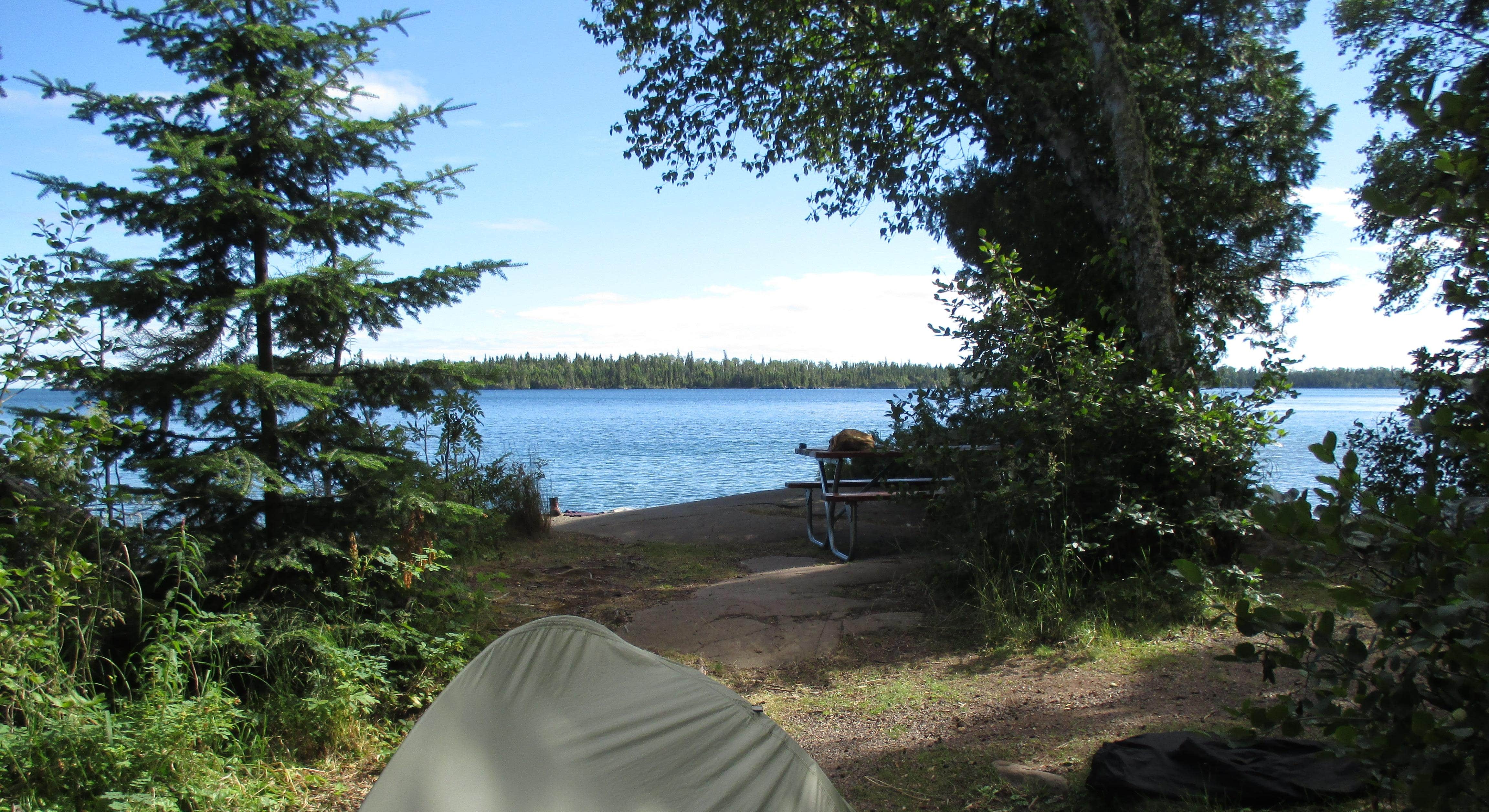 Photo by The Dyrt
Responsible Camping Practices 
Camping in Isle Royale's fragile wilderness comes with a responsibility to minimize impact. The island's ecosystems -- from boggy wetlands to delicate lichens on ridges -- can be easily damaged by careless actions. Additionally, with no outside support readily available, campers must practice self-sufficiency and caution. For more tips on low-impact camping, browse dispersed camping guides on The Dyrt.
Wildlife and Food Storage:
- Always secure your food and trash from wildlife in your required IGBC-certified animal-resistant container. Use provided metal lockers (now at Rock Harbor, Three Mile, Washington Creek, Daisy Farm, Moskey Basin, Lane Cove, and others) or your hard canister or Ursack at all other sites. This regulation is strictly enforced following the 2025 wolf-food conflict incidents.
- Do not feed ANY animals. Feeding chipmunks, foxes, or gulls may seem harmless but it teaches them to beg and raid camps, and poor diet can harm them.
- Keep a clean camp. Strain food particles from dishwater and pack them out with trash.
- If fishing, follow the park rule to dispose of fish guts in deep water away from shore. Fish remains are considered scented items under the 2026 food storage regulations.
Leave No Trace:
- Travel and Camp on Durable Surfaces: Stay on established trails -- creating new shortcuts tramples vegetation and causes erosion. Camp only in designated campground sites. Five cross-country zones (10, 9A, 8A, 12A, 11A) remain closed from fire damage; respect all closure signs.
- Dispose of Waste Properly: Pack out all trash. This includes small items like fruit peels, peanut shells, bits of foil, fishing line, etc. If you carried it in, carry it out. Use outhouses for human waste -- and bring your own toilet paper.
- Leave What You Find: Isle Royale has a fascinating array of rocks, antlers, old historic artifacts at mine sites, etc. It's illegal to remove these. Take photos or notes, but leave natural and cultural objects in place.
- Minimize Campfire Impact: Since fires are banned in most places, this is easier -- but where allowed, use established fire rings or metal grills only. Keep fires small and burn only dead wood that you collect off the ground.
Water Conservation and Quality:
- Don't bathe with soap directly in lakes or streams -- even biodegradable soap. Carry water 150+ feet away and wash there, letting soapy water filter into soil.
- In camp, use a collapsible bucket to haul water for cooking and cleaning rather than washing at the lake edge.
- If you see algae bloom warning signs (posted by rangers at trailheads) or visible surface scum at Chickenbone Lake, Lake Richie, Lake Desor, or Todd Harbor, take them seriously. Do not filter or drink from visibly blooming areas -- algal toxins cannot be removed by standard filters and can be deadly. Move to a clear area of the lake or use a different water source.
- Conserve stove fuel by cooking efficiently (use a lid, block wind).
Respect for Others:
- Remember that sound carries in the wilderness. Keep noise low, especially at night.
- Yield to other hikers on narrow trails by stepping aside at a durable spot.
- In campgrounds, don't shine bright lights into other tents or shelters at night and avoid loud chatter or cooking very late/early next to others.
- If a fellow camper needs help, embody the Isle Royale spirit by offering assistance. The island's remoteness means we rely on each other in a pinch.
Campfire Responsibility:
- Only build a fire where it's allowed and sensible. If it's windy and dry, even in a fire ring you might decide to skip the fire.
- Use small diameter wood that burns completely to ash. Do not try to burn large logs.
- Never leave a fire unattended.
- Collect firewood responsibly: scattered dead sticks and driftwood. Don't break apart standing dead trees.
- Fully extinguish fires: drown with plenty of water, stir the coals, drown again until you can feel no heat with the back of your hand.
Frequently Asked Questions 
How do I get to Isle Royale, and which ferry should I take? Access is by boat or seaplane only. The main ferries are the Ranger III (about 6 hours, $80/person one-way) from Houghton, MI; the Isle Royale Queen IV (3 hours 45 min, $87.50/person one-way) from Copper Harbor, MI -- both go to Rock Harbor on the island's east end -- and the Voyageur II or Sea Hunter III (from $110.50/person one-way) from Grand Portage, MN to Windigo on the west end. Which to take depends on your itinerary. If you want the Rock Harbor area and east side hikes, go from Michigan. If you prefer Windigo and the west side (or to hike the Greenstone Ridge end-to-end west to east), the Grand Portage ferries are convenient. Many hikers will arrive at one end and depart the other. Just be sure to reserve in advance, as summer ferries often sell out months ahead.
Do I need to reserve campsites or get a backcountry permit? You do not reserve individual campsites -- all camping is first-come, first-served at the campgrounds. However, you must get a backcountry camping permit (no cost for small groups) when you arrive on the island. The permit is one per group and covers all your nights. Large groups (7-10 people) must obtain a group permit in advance ($25) and stick to designated group sites. Note: in 2026, park entrance fees must be paid by credit or debit card -- no cash accepted at fee stations.
What is the mandatory food storage requirement for 2026? As of April 2025 and continuing indefinitely, all overnight visitors must carry an IGBC-certified animal-resistant food container. This regulation was implemented after wolves near Rock Harbor began stealing food from campsites in summer 2025, leading to the park's first wolf euthanasia in August 2025. A hard-sided bear canister (Bear Vault, Wild Ideas Bearikade, etc.) or an approved flexible container (Ursack Major) qualifies. Use the provided food storage lockers at equipped campgrounds; hang containers at sites without lockers. All food, trash, scented toiletries, cooking gear, and fish must be stored in the container whenever not in immediate use. This is strictly enforced.
What about bears? Do I need bear spray? There are no bears on Isle Royale. The island's large mammals are moose and wolves. You won't need bear spray here. However, a bear canister or Ursack is now legally required under the 2026 food storage mandate, regardless of bears. Use it to protect your food from wolves, foxes, and squirrels.
Are campfires allowed at campsites? Generally no -- campfires are not allowed in most Isle Royale campgrounds. The majority of sites are stove-only. A select few campgrounds have community fire rings or standing grills: McCargoe Cove has one, Siskiwit Bay has fire rings, Malone Bay has grills, Washington Creek has a couple rings, and Island Mine has a fire ring for Greenstone hikers. Rangers will inform you of current conditions at each campground.
How bad are the mosquitoes and bugs, really? They can be legendary in early summer. In June and early July, expect thick mosquitoes in the forests and near wetlands, especially at dawn and dusk. Black flies also peak in June. By late July, mosquitoes start to diminish, and by late August many areas are nearly bug-free. Bring a head net, strong DEET or Picaridin repellent, and consider treating clothing with permethrin. Good news: there are no ticks carrying Lyme disease on the island.
Is the water safe to drink? Only if treated. All surface water on Isle Royale -- whether from Lake Superior or inland lakes/streams -- may contain parasites (like Giardia). Always filter, boil, or chemically treat your water. Big caution for 2026: algae bloom advisories are active at Chickenbone Lake, Lake Richie, Lake Desor, and Todd Harbor. Toxins from these algae are not removed by standard filters or boiling. If you see visible blooms (surface scum, strong odor), do not draw water from that area -- find a clear area of the lake or an alternative source. Rangers post notices and update the NPS website when bloom conditions are confirmed.
What do I do with my trash? You must pack out all trash you generate on the island. There are no trash cans once you depart Windigo or Rock Harbor. This means every candy wrapper, every piece of foil from a freeze-dried meal -- it all leaves with you. Carry a dedicated "trash bag" (a gallon Ziploc works well) to keep your garbage contained and sealed. Under the 2026 food storage mandate, all trash is treated as a scented item and must be stored in your animal-resistant container.
Do I need a special fishing license? You need a Michigan fishing license to fish on Isle Royale (the entire park is in Michigan waters). Buy it in advance (online or at a retailer on the mainland) because there's nowhere on the island to purchase a license online. Rock Harbor's Dockside Store sells licenses for cash. If you're 17 or older, it's required even for inland lake fishing. Buy it before you board the ferry.
What if there's an emergency or I get injured? Isle Royale is remote -- handle most minor emergencies on your own until you can reach a ranger station or another party. For serious emergencies: park rangers are stationed at Windigo and Rock Harbor with limited medical facilities. On the trails, if you have a satellite communicator or emergency beacon, activate it for life-threatening situations. The best approach is prevention: carry a first aid kit and know how to use it, hike carefully, and don't push yourself past your limits.
Is there cell phone service or Wi-Fi anywhere on the island? For the most part, no -- assume you'll be out of range for your entire trip. Cell coverage is extremely spotty and unreliable. There is no public Wi-Fi on Isle Royale. Once you leave the mainland, expect to be fully disconnected. Print any documents or maps you need, tell family you'll be off-grid, and don't rely on smartphone mapping.
What is the best time of year to visit Isle Royale? That really depends on your priorities. Late Spring (May to early June): Very quiet, few bugs initially, cool temperatures, great for wildlife. Midsummer (Late June through July): Best weather, all services running, long daylight, but bugs are worst early in this window and most crowded. Late Summer (August): Still warm, far fewer bugs, perhaps the overall "best" if one must choose. Early Fall (September): Cooler, beautiful fall colors, very low crowds after Labor Day, no bugs. For most visitors, late August or early September often gets the vote -- comfortable weather, fewer bugs, and still enough services/ferries running.
What is the wolf situation, and is it safe to camp near Rock Harbor? The wolf population stands near 30 animals organized into four territorial packs -- a healthy reintroduction success. Wolves generally avoid humans and no wolf attack on a person has ever been recorded at Isle Royale. The 2025 incidents involved food-conditioned wolves stealing packs and food bags, not attacking people. The mandatory food storage regulation and food lockers installed at Rock Harbor and other campgrounds directly address this. Follow the food storage rules and you are safe. If you see a wolf, maintain distance, make yourself large, and make noise.
Planning Resources
Essential Isle Royale Links
- Isle Royale Campgrounds on The Dyrt - Reviews and information for all Isle Royale NP camping areas
- Isle Royale Tent Camping - Filter for tent-friendly campgrounds at Isle Royale
- Isle Royale Cabin Options - Cabin accommodations near Isle Royale National Park
- The Dyrt Magazine: Exploring Isle Royale National Park - Trip planning guide and insider tips
- North Shore Lake Superior Camping Guide - Mainland camping options before or after your Isle Royale trip
- National Parks Camping Guide - Comprehensive guide to camping across all national parks
- Michigan Camping - Browse all Michigan campgrounds
- Isle Royale National Park Official Website - Current conditions, alerts, and regulations
- Isle Royale Ferry Services - Ferry schedules and booking information
- Isle Royale Seaplanes - Floatplane service to Rock Harbor and Windigo
- Recreation.gov Isle Royale - Permits and trip planning resources
Isle Royale NP Trip Planning Timeline
| Time Period | Planning Task | Details |
|---|---|---|
| 3-6 Months Before | Book ferry or seaplane | Summer dates fill quickly, especially for Ranger III and Isle Royale Queen IV on holiday weekends Book as early as possible for July-August trips |
| 2-3 Months Before | Plan itinerary and gear | Map out campgrounds and daily mileage Purchase or rent IGBC-certified food container (required) Buy Michigan fishing license if planning to fish |
| 1 Month Before | Finalize logistics | Book mainland lodging for night before/after Confirm ferry reservation Begin meal planning and food purchases |
| 1-2 Weeks Before | Final preparations | Check NPS website for current conditions, wolf advisories, and algae bloom notices Pack and weigh backpack Prepare food and repackage meals |
| Day Before Departure | Final checks | Check weather forecast Confirm ferry departure time and location Pay park entrance fee online if possible (credit/debit only -- no cash) |
| Upon Arrival | Get permit and orientation | Obtain backcountry permit at ranger station Attend ranger briefing for current conditions, wolf activity, and algae bloom locations Check trail and campground status |
Isle Royale Camping Checklist
For a comprehensive packing list, also check out The Dyrt's backpacking gear guide and browse Isle Royale campground reviews on The Dyrt for specific tips from campers who've been there.
Documents and Permits:
- Ferry/seaplane reservation confirmation
- Park entrance fee payment or pass (credit/debit card -- no cash at fee stations)
- Michigan fishing license (if fishing)
- Printed maps and trip itinerary
- Emergency contact information
- Photo ID
Shelter and Sleep System:
- Backpacking tent with rainfly and footprint
- Sleeping bag rated to 20 degrees F or lower
- Sleeping pad with R-value 3+
- Stuff sacks and compression bags
Cooking and Water:
- Backpacking stove and sufficient fuel
- Lighter/matches in waterproof container
- Water filter or purification system
- Water bottles/bladder (2+ liters capacity)
- Collapsible water container for camp
- Cookpot and eating utensils
- IGBC-certified animal-resistant food container (required by regulation)
- Freeze-dried meals and snacks
- Extra food for emergencies
- Toilet paper (not provided at most campground outhouses)
Clothing:
- Moisture-wicking base layers
- Insulating mid-layer (fleece or down)
- Waterproof rain jacket and pants
- Hiking pants and shorts
- Extra socks (wool or synthetic)
- Warm hat and gloves
- Sun hat
- Camp shoes or sandals
- Sturdy hiking boots (broken in)
Safety and Navigation:
- Topographic map of Isle Royale
- Compass
- Headlamp with extra batteries
- First aid kit with blister care
- Prescription medications
- Satellite communicator (strongly recommended)
- Whistle
- Repair kit (duct tape, cord, safety pins)
Bug and Sun Protection:
- Insect repellent (DEET or Picaridin)
- Head net
- Sunscreen and lip balm
- Sunglasses
Personal Items:
- Hand sanitizer
- Biodegradable soap (small amount)
- Quick-dry towel
- Trash bags for packing out waste
- Camera
- Book or journal
- Fishing gear (optional)
By planning thoroughly, respecting wildlife and park regulations, and embracing the unpredictable nature of wilderness adventure, your Isle Royale camping trip will create lasting memories. Watching moose wade through Washington Creek at dawn, hearing wolves howl across Lake Desor at night, or simply sitting with the profound quiet of a remote Lake Superior shoreline -- these are the moments Isle Royale delivers that few other places can. Camping here offers a genuine wilderness experience unlike anywhere else in the lower 48 states. The effort required to reach this island makes every moment more meaningful -- and the memories of your time here will stay with you long after the ferry carries you back to the mainland. For more Isle Royale National Park camping information, browse campground reviews and photos from real campers on The Dyrt.