The Sam Houston National Forest covers over 163,000 acres of East Texas piney woods, with camping elevations ranging from 200-300 feet above sea level. The forest experiences humid subtropical climate with summer temperatures often exceeding 90°F and mild winters rarely dipping below freezing. Campgrounds throughout the forest offer varying levels of amenities, from primitive sites without water to full-hookup areas with electricity and sewer connections.
What to do
Fishing opportunities: Lake Livingston provides excellent fishing for catfish, bass and perch. "There's decent fishing, a dedicated swim area, a small lake you can take boats out with trolley motor only, miles and miles of good hiking and biking trails," notes a visitor to Huntsville State Park Campground.
Swimming spots: Several campgrounds maintain designated swimming areas during summer months. "The lake was clear and whether or not it was a good idea, we swam in it as did all our dogs. Great temperature water," reports a camper at Lake Niederhoffer Campsite.
Mountain biking: The forest contains numerous biking trails for various skill levels. "This is my favorite place to camp and ride the trails. Smooth and fast are the best way to describe them," explains a regular visitor to Double Lake Recreation Area.
Paddle sports: Multiple lakes offer opportunities for kayaking and canoeing. "We got to use our kayaks, go fishing, swimming, and hike also. It was just gorgeous! We actually had our campsite in a perfect place for we could put our kayaks in and out of the water right behind our tent," shares a Huntsville State Park camper.
What campers like
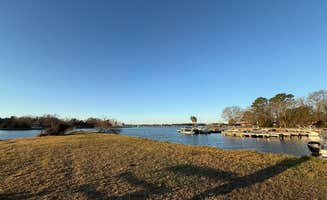
Lake views: Many sites offer direct water access or views. "Our site was a little bigger than camping in Sam Houston. We managed to get a site right next to the water," notes a visitor to Huntsville State Park.
Privacy between sites: Wolf Creek Park receives high marks for spacious campsites. "The sites are spaced apart with lots of trees. The trails are wide and well kept. The lake is huge," writes one camper.
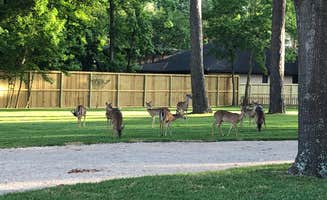
Abundance of wildlife: The forest hosts diverse animal species. "Saw an otter and a little snake. Heard a lot more than that at night, entire forest seemed to be alive, with coyotes howling, something snorting, footsteps all over the place, a donkey making noise," describes a camper at Lake Niederhoffer Campsite.
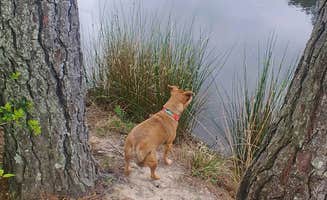
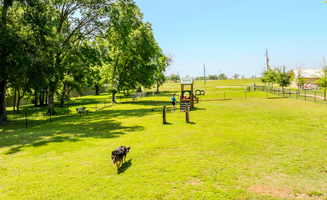
Pet-friendly atmosphere: Most campgrounds throughout Sam Houston National Forest welcome leashed dogs. "Dogs are allowed in the park and on the trails. Dogs must be leashed at all times and are not allowed on the beach," notes a visitor to Double Lake Recreation Area, highlighting typical pet policies at dog friendly campgrounds in Sam Houston National Forest.
What you should know
Seasonal crowds: Visitation varies significantly by season. "We stayed during the week so there wasn't many people there. Decided to stay an extra day," explains a midweek visitor to Cagle Recreation Area.
Water conditions: Lake clarity and safety vary throughout the year. "The shore was good for fishing. There is a trail which goes around the whole lake, and it was such a nice hike we did it several times," reports a visitor to Double Lake Recreation Area.
Limited cell coverage: Many forest areas have spotty or no service. "I went out on a Friday and not a soul it is so quiet all you hear is a plane every once in a while. Very spotty cell signal, but great spot to get away and forget about the world," notes a day visitor to Lake Niederhoffer.
Site levelness: Many campsites require leveling equipment. "Our site was really off level side to side. We have auto leveling and it wouldn't work it was so far out of level. We had to manually do it. Side to side isn't fun. Front to back is much easier to set up," warns a camper at Cagle Recreation Area.
Tips for camping with families
Protected swimming areas: Lake Livingston State Park Campground offers designated family swimming zones. "You can do so many different water activities because the lake is so big. We bring our boat and fish, tube, and water ski. We have a blast," shares a regular visitor.
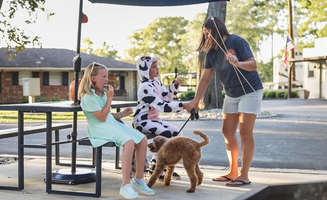
Kid-friendly activities: Several campgrounds maintain playgrounds and organized activities. "Bicycling, Swimming, Fishing, putt putt golf. The kids loved the park and the golf. I have been camping here since I was a child and now get to share the same experience with my kids," explains a visitor to Wolf Creek Park.
Noise considerations: Weekends typically bring more families and associated noise. "Screaming kids running through the campground until 10am made our campfire time less enjoyable," notes a weekend camper at Cagle Recreation Area.
Family-oriented loops: Some campground sections cater specifically to families with children. "The park is very well maintained, and the trails are good. A lot of people fish the lake, but I haven't had a lot of luck," reports a family visitor to Lake Livingston State Park.
Tips from RVers
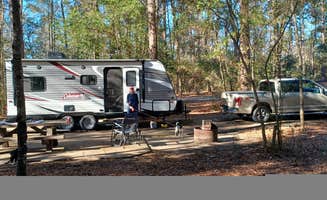
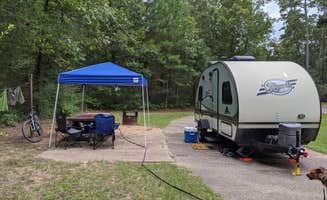
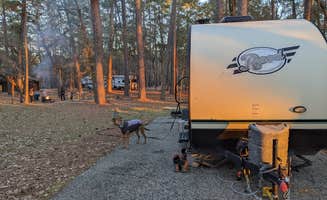
Site selection strategy: Many pet-friendly Sam Houston National Forest campgrounds require careful site selection. "Some sites have full hook ups, some are pull through some are both. For the price you can't beat it! Sites are nice though a little unlevel," notes an RV camper at Double Lake Recreation Area.
Hookup accessibility: Hookup placement varies between sites. "Sewer hookup on some were a ways away so bring an extra hose. Mine was close but I seen others that needed 3 hoses. I always carry two 10 footers and one 15 footer," advises an RVer at Cagle Recreation Area.
Supply considerations: Limited nearby stores require advance planning. "Huntsville 20 miles away for supplies, food, etc. No store close by," warns a camper at Cagle Recreation Area about the distance to provisions.
Road conditions: Forest service roads vary in condition. "The one thing that disappointed me was there were some other people here while we stayed and though they were respectful with noise, they did leave trash," notes a visitor to Lake Niederhoffer about the unfortunate state of some primitive camping areas.









 Legend


