Padre Island National Seashore spans 70 miles of Gulf Coast shoreline with prevailing winds that average 11-16 mph year-round, intensifying during spring months. The barrier island includes campgrounds on both the Gulf and Laguna Madre sides, offering distinct experiences with the Gulf beaches facing stronger winds while the bayside areas provide calmer waters and different wildlife viewing opportunities.
What to do
Turtle releases: early summer opportunities. During summer months, the National Seashore conducts public sea turtle releases. "We did happen to be there for the release of some sea turtles which was the highlight. Get there early for a good spot," shares a visitor from North Beach.
Windsurfing: world-class conditions. Bird Island Basin provides exceptional windsurfing conditions on the Laguna Madre. "Perfect for windsurfing and fishing. There's about a 50 foot waist high depth off of your campsite which is right next to the water," notes a visitor to Bird Island Basin Campground.
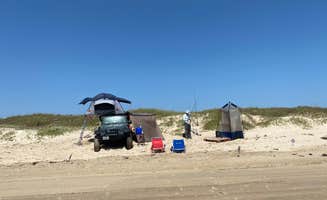
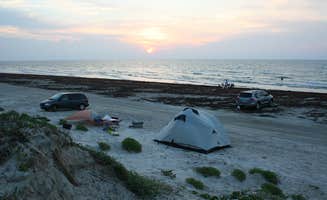
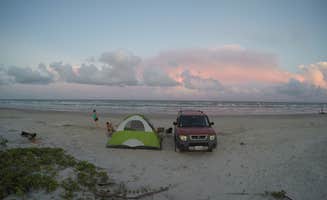
Beach driving: miles of shoreline access. South Beach allows vehicles to travel significant distances down the shoreline. "You can drive down the beach to find your perfect spot to set up your tents by the dunes," explains a camper at South Beach, adding that "at night it was like we were the only people on the beach!"
Night sky viewing: minimal light pollution. The distance from urban areas creates excellent stargazing conditions. "There's no security lights to disrupt the coastal star views," reports a camper at Malaquite Campground.
What campers like
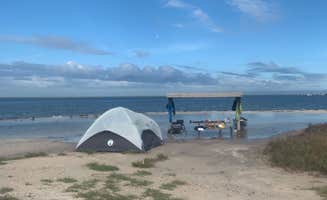
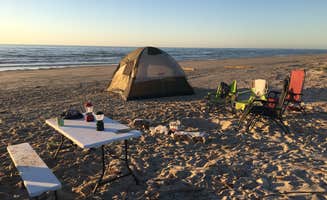
Beach proximity: direct water access. Campers consistently praise the closeness to shorelines. At Padre Balli County Park, "you can see and hear the ocean from your tent, and it's on the Island so there are a lot of attractions for visitors," according to one camper.
Wildlife watching: diverse coastal species. The Padre Island ecosystem supports abundant wildlife. "Wildlife hunting was great. Ghost crabs will be rubbing up against your tent all night," notes a North Beach visitor. Another mentions the "lovely breezes, wave crashing to lull you to sleep, shore birds, everything."
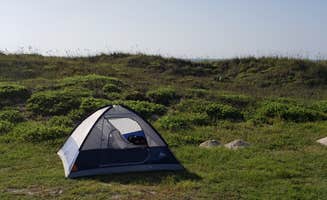
Protected camping areas: dune shelter. Some campsites offer natural wind barriers. "The campground is protected by dunes but still pretty windy," explains one camper. Another visitor to Mustang Island State Park notes, "We really liked that the beach was walking distance from camp, but the sites were guarded by the dunes. Really helped fend off the wind."
Budget-friendly options: affordable stays. Multiple campgrounds offer economical pricing. "With national senior park lifetime pass, $4/night. No amenities but there is a dump station and fresh water," reports a Bird Island Basin visitor.
What you should know
Cell service limitations: spotty connectivity. Wireless coverage varies substantially throughout the seashore. "Verizon is iffy. But it's a nice place to be by the water and fish and sit and whatever," notes a North Beach camper.
Wind conditions: constant factor. Persistent Gulf winds affect camping comfort. "Hope you are well practiced in setting up a tent in windy conditions," advises one camper, while another mentions, "the winds here can reach 60 mph. Just prepare for it by never leaving awnings out."
Salt exposure: equipment considerations. Proximity to salt water requires additional maintenance. One camper at NAS RV Park warns, "If you don't want salt on your rigs don't come here. There are times when it's so thick you could use an ice scraper."
Water and supplies: limited availability. Services are restricted on the beach. "Make sure you bring long stakes to hold down your shade and tent - and camp way back to keep from waking up wet," advises a North Beach visitor, adding that the island is "known for sheltering sea turtles."
Tips for camping with families
Beach selection: choose appropriate areas. Different beaches offer varying experiences for children. Malaquite Campground provides a more controlled environment as "day use people are Not Allowed," making it exclusively for overnight visitors.
Wildlife education: learning opportunities. Incorporate wildlife viewing into family activities. "We took my daughters here so we could camp on the beach and enjoy the stars," shares a North Beach visitor, adding that "the wildlife hunting was great."
Sun protection: essential gear. Gulf Coast sun exposure can be intense. "Get there early for a good spot and makes sure to have a portable shade and sunscreen," advises a North Beach camper.
Shower access: know locations. Plan for clean-up after beach time. At South Beach, "very clean chemical toilets are near the beach entrance and very clean showers are up at the visitors center."
Tips from RVers
Site selection: understand layouts. Some campgrounds have unusual configurations. At Mustang Island State Park, "the sites are wide and level and have full hookups with 30/50 amp. Good water pressure. Sites are all back ins, Big rig friendly and easy to set up."
Road conditions: prepare for rough sections. Access roads vary in quality. "The roads really need to be repaired. Potholes are horrible in some areas," notes one RVer.
Beach driving requirements: vehicle capabilities. Accessing certain areas requires appropriate vehicles. One visitor points out, "To access south beach a 4x4 vehicle is required and strongly recommended!"
Weather preparation: wind and tide considerations. RVers should be prepared for coastal weather patterns. "We showed up late while the tide was up which was a little unsettling, but we were assured it was at high as it gets," reports a North Beach camper.









 Traveler


