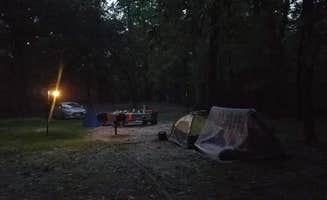
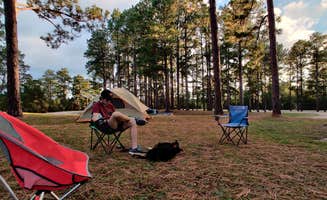
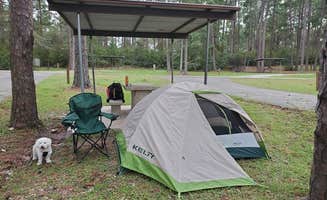
Big Thicket National Preserve features diverse ecosystems spanning over 113,000 acres, with nine land units and over 30 miles of waterways connecting the Neches River and Pine Island Bayou. Camping options in this East Texas wilderness area showcase the region's unique mix of southern forests, swamplands, and sandhills. The preserve sits at elevations between 10-330 feet above sea level, creating varied microhabitats that influence camping conditions throughout the year.
What to do
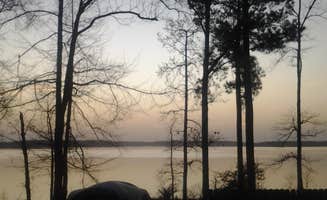
Paddling waterways and sloughs: Sandy Creek offers excellent access with a convenient boat ramp within the park. "We enjoyed our night in the quiet lake view campsite at Sandy Creek. The park was not very busy during our stay," reports one visitor, who also noted that some people were bird watching in the area.
Stargazing after dark: Walnut Ridge provides excellent night sky viewing opportunities. "Very nice lake and forest setting, good rv pads, charcoal grills, concrete picnic tables, ample space between rv pads," explains one camper, highlighting the comfortable setup for evening star viewing.
Exploring old-growth forests: Hike through impressive hardwood forests with massive trees. "There are four well marked trails that meander through old growth hardwood forest. You will see huge southern magnolia and American beech trees," notes a visitor at B.A. Steinhagen Lake Campground.
What campers like
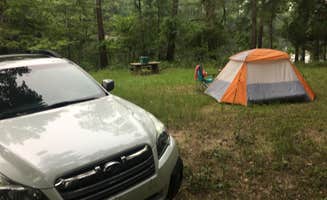
Spacious, private sites: Magnolia Ridge receives high marks for its generous campsites. "Very spacious and well kept. Will definitely stay here again," shares one reviewer, while another mentioned, "Deep into the piney woods and swampy outcrops of B.A. Steinhagen lake, I camped under the shade of a huge magnolia tree alongside very tall pines and oaks."
Wildlife viewing opportunities: Many campers report regular wildlife sightings. "Alligators are present all day and night near the water. They aren't a nuisance," explains a tent camper at Magnolia Ridge. Another camper noted, "The fishing was great and this State Park is one of those hidden gems. There was no crowd, it was like we had the whole place to ourselves. the deer walked by every night and the fireflies put on a show."
Waterfront camping access: Most campgrounds offer direct water access for fishing and relaxation. "We were right on the lake in a huge site," reports an RVer at COE Town Bluff Lake Sandy Creek Park, while another noted, "The spacing between sites is huge. The lots are probably 100 feet."
What you should know
Seasonal insect conditions: Mosquitoes and other insects are prevalent, especially in warmer months. A camper at Boykin Springs Recreation Area advises, "Verizon works well here, sprint sucks. Never really busy here. It's $10 a day to camp, but I have the America is Beautiful interagency pass for $80 annually, saves me 50% off, so I only pay $5 a day!"
Road conditions vary: Access roads to some campgrounds can be challenging. One visitor to Triple Creek RV Music Park warns, "The road is mostly dirt and sugar sand and is extremely rough. I would call it minimally maintained. Bring lots of leveling blocks."
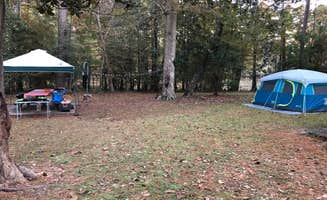
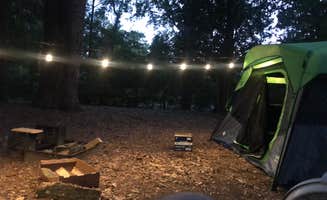
Facilities and amenities: Services range from basic to comprehensive. At Sandy Creek, "The bathhouse was clean but very dated and in need of remodeling," according to one visitor. Another camper at Boykin Springs notes, "Fire pits, grills, huge tent pads, lantern post, and giant picnic tables are at each campsite. Very spaced apart. Lots of privacy. 1 vault toilet which is super clean, and a bathhouse in center of park."
Tips for camping with families
Swimming options for children: Lake Tejas offers family-friendly water recreation. "The swimming area is sandy, easy walk-in and clean. Seems to be a favorite of locals and kid friendly. High dive, swim out platform are fixed wooden features and there were two large heavy blowup climb-on floats," reports a visitor.
Fishing with kids: Several parks offer designated fishing areas. At B.A. Steinhagen Lake Campground, "There is a free fishing pond for the exclusive use of children and individuals with special needs. It is stocked with catfish and rainbow trout."
Rain contingency plans: Weather can change quickly in East Texas. "Most of the sites at the far end loop were partially surrounded by standing water and some had muddy ruts along the RV site pad," notes a camper at Sandy Creek, suggesting families should prepare for wet conditions.
Tips from RVers
Site selection advice: Look for level, shaded spots with adequate space. "Site 301 is pull through with plenty of room for 5Th wheel. Near water and kayak launch," advises an RVer at Martin Dies, Jr. State Park Campground.
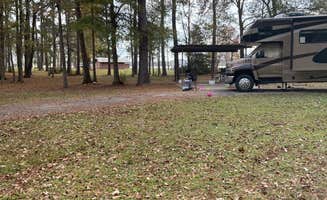
Hookup considerations: Not all sites offer full hookups. "No sewer h/u, but a dump station in the park," explains a camper at COE Town Bluff Lake Sandy Creek Park who stayed in a 41-foot Class A with a toad.
Local services and supplies: Stock up before arrival as some campgrounds are remote. "The closest town is Jasper, which will take you half an hour to get to so if you need groceries, bottled water, propane gas, get it before you get here," advises a visitor to COE Town Bluff Lake Sandy Creek Park.