Tent camping near Willamette National Forest provides options across varied terrain from 1,500 to 5,700 feet in elevation. The wilderness encompasses over 1.6 million acres with camping concentrated around water features and forest service roads. Winter accessibility varies significantly with higher elevation sites typically inaccessible from November through May due to snow accumulation.
What to do
Kayaking at remote locations: Reaching Lakes End Campground requires boat access, creating a quieter experience. "We Kayaked to the Lakes End. There was 1 other motor boat on the reservoir but we were the only ones at the campground... The kayak trip was so peaceful," notes camper Tracy N.
Snowshoeing in winter months: Winter visitors can access trails from several snow parks in the region. "Wife and I come by here on our way to the Blue Pools. Looks like lots of trails to snow shoe," reports Miles G. about Ikenick Sno-Park.
Canoeing on non-motorized lakes: Certain lakes prohibit motorized boats, creating ideal conditions for paddle sports. "A small quaint Resort. Would love to stay at the cabins... I find it easy to bring my kayak up and use the lake to enjoy rowing around. This would be a great place for those paddle boards. The lake is for non-motorized boats," explains Cindy U.
What campers like
Wildlife viewing opportunities: Early morning and evening hours provide the best wildlife spotting chances. "Enjoyed watching a pair of Bald Eagles as they swooped fish out of the lake and carried them away," writes Matthew F. about his experience at Round Lake.
Swimming in alpine lakes: Many tent campsites sit adjacent to swimmable lakes with summer temperatures reaching comfortable levels. "Lake is great for swimming and floating," notes camper Liam.
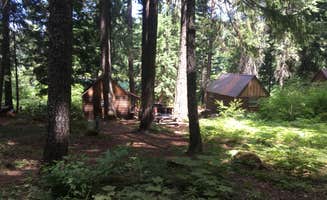
Rustic cabin alternatives: For those wanting a tent camping experience with more shelter, some locations offer basic cabins. "Rented a rustic cabin a couple weeks ago. It was perfect. Lights out at 10 but lanterns and propane heat keep you comfortable," shares Evan M. about his stay at Clear Lake Resort.
What you should know
Seasonal fire restrictions: Fire regulations change throughout the camping season with complete bans common during late summer. Always check current restrictions before departure.
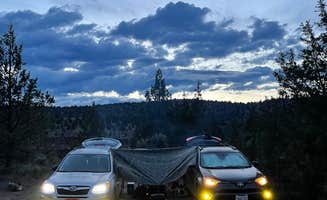
Limited infrastructure at dispersed sites: Many locations lack amenities and require complete self-sufficiency. "No infrastructure. Free! Signs say overnight parking only. I'm okay with that. Buggy. Skeeters and some hornets but not bad," reports James D. about his experience at Maxwell Sno-Park.
Road conditions vary significantly: Expect unpaved access roads to many tent camping locations. "After a 5 mile gravel road trip that rivaled some of the worst washboard I've ever been on, the view was all worth it," explains Matthew F.
Tips for camping with families
Consider lake depth for safety: Some lakes feature dramatic depth changes that parents should know about. "The lake itself is shallow till about 50 feet out where its a straight drop to a black abyss," warns a camper about one location.
Plan for insects during summer months: Bug activity increases from June through August. "The downside was that in mid-June there were a lot of mosquitoes about," notes Todd J. about camping near a forest service road.
Balance accessibility with experience: Selecting tent sites involves tradeoffs between amenities and seclusion. "We stayed at the first dispersed spot up NF-080, about a quarter mile past the Maxwell Sno-Park... The spot was beautiful, with access to awesome trails right off of the forest road. We hiked up to some lakes. Having access to the bathroom at the sno-park was really great," shares a visitor to McKenzie River Ranger District.
Tips from RVers
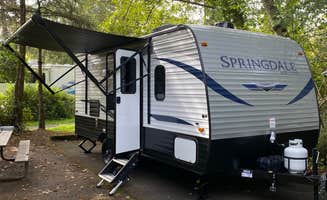
Check vehicle access limitations: Many tent campsites near Willamette National Forest have restrictions on vehicle types and sizes. "Flat spots some large Weymouth for small RV/camper trailers," notes Natalie T. about tent camping areas.
Consider sound impacts from nearby roads: Some campsites experience traffic noise despite remote locations. "I stayed in the camp on main road near fast moving steam. Traffic sounds could be heard but it wasn't bad even in my tent," reports Debra G.
Know the resource availability: Most tent-only sites lack hookups completely. "Overnight parking without permit May - Oct ok, but inside a vehicle only, no tent camping allowed per sign in winter as snowplow drivers cannot see tents as well," advises Laura M. about seasonal considerations.












 Traveler


