Tent camping near Siuslaw National Forest offers diverse experiences from accessible county parks to remote hilltop clearings. Located along Oregon's central coast range, the area features steep elevation changes between 200-1,200 feet with a temperate rainforest climate. Morning fog often blankets lower campsites while higher elevation spots remain clear, creating distinct camping microclimates throughout the region.
What to do
Riverside exploration: At Nesika County Park, campers can easily access the adjacent river. One visitor noted, "This place was about empty... It's beautiful, right next to a river that is actually accessible to old farts like myself."
Waterfall hiking: Smith River Falls offers tent campers access to cascading waterfalls within hiking distance. The falls create natural swimming holes during summer months when water levels drop.
ATV recreation: For more adventurous campers, Oregon Dunes National Recreation Area provides direct access to sand dunes. "This campsite is awesome. Been coming here since 2003 and it never disappoints. We camp close to the sand so we can take our dirtbikes out early," shares one camper.
Wildlife observation: Morning and evening hours bring increased wildlife activity around tent sites. One camper at Elliott State Forest Dispersed mentioned, "Beautiful view overlooking the mountains. Low traffic but rains a lot and we had a visitor come sniff around but quickly left."
What campers like
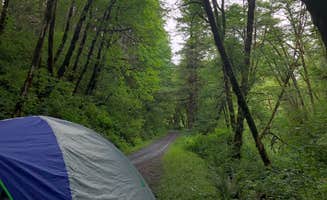
Secluded pull-outs: Many campers appreciate the numerous pull-outs along forest roads. As one camper at Elliott State Forest Dispersed shared, "You have to drive some winding forest service roads to get to a spot then find one on or near the road but there's a couple good camp spots."
Creek-side camping: Several sites offer the relaxing sound of flowing water. According to a camper at Nesika County Park, "Great spot for tent or pull trailer right on the creek! Camp host is accommodating and helpful."
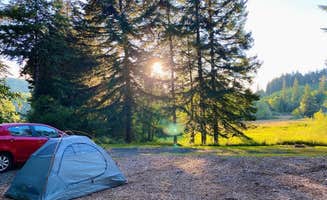
Elevated views: Higher elevation sites provide panoramic perspectives. One visitor noted, "Followed Marlow Creek road about 7 or 8 miles straight back until we reached the top of a hill. Cleared out from what looks to be trees that burned from a fire. Makes for amazing views."
Low traffic: Most dispersed sites see minimal visitors midweek. A camper shared, "Didn't see anyone up there and I was there from Tuesday to Wednesday. Hope to return at some point!"
What you should know
Download offline maps: Cell coverage varies significantly. One camper recommends, "Make sure to download a map. There was surprisingly multiple spots that I had cell service (AT&T) so I was able to navigate myself around through a satellite map."
Variable road conditions: Access roads deteriorate further from main highways. A visitor warns, "Just beware some of the side roads are a bit overgrown and can scratch up your car."
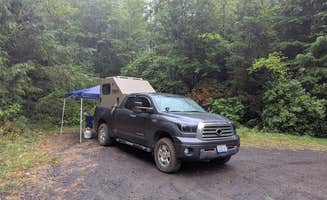
Vehicle capabilities: Some remote areas require appropriate vehicles. One camper at Dew Valley Ranch Nature Retreat shared their challenging experience: "Our day stay was due to the road being too steep for my 1993 truck camper. It got too hot and blew the transmission, made a nice long trail in the steep road."
Seasonal closures: Many forest roads close during winter or after heavy rainfall. Some areas have seasonal fire restrictions, typically from July through September depending on conditions.
Tips for camping with families
Established facilities: For families with young children, county parks offer essential amenities. "This place is clean and the surroundings are gorgeous. The camp host is super friendly and nice. Best rate on firewood. By the barrel. The river is beautiful," notes a visitor to Nesika County Park.
Morning activities: Plan morning outings when coastal fog typically lifts. Afternoon coastal winds often increase, making creek explorations and hiking more comfortable earlier in the day.
Safety considerations: Some areas have logging traffic. A visitor notes, "This is a logging forest, so we had huge logging trucks roll by in the morning - because of this, it may not be the best spot for kids or off leashed dogs."
Trash management: Pack extra bags for waste removal as most dispersed sites lack facilities. One camper mentioned finding "a lot of trash" left by previous visitors, highlighting the importance of proper waste disposal.
Tips from RVers
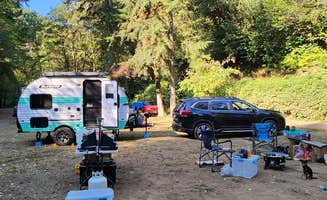
Length restrictions: Most forest roads cannot accommodate larger RVs. Small truck campers and vans under 25 feet have the most options for dispersed camping.
Limited hookups: No water or electrical connections exist at dispersed sites. One RVer at Tyee - Sutherlin mentioned, "Tyee campground is a nice get away close to home, there's fishing and bike riding. Very beautiful area."
Site selection: Arrive early to secure level parking. One visitor advised, "Very secluded but spacious sites. From the start of Marlow Creek Road to where I chose to camp was 8.5 miles. There are several forks in the road that you can follow to more campsites."
Winter preparation: Expect significant rain between October and April. Proper drainage around tents and campers prevents flooding during heavy precipitation events common in winter months.






 Ranger


