Tent campsites near Gearhart, Oregon provide access to diverse forest terrains with elevations ranging from sea level to 3,000 feet in the Coast Range mountains. Summer temperatures average 65-75°F during the day and 50-55°F at night, while spring and fall bring increased rainfall with 70-90 inches annually. Most forest camping areas stay open year-round but experience reduced maintenance during winter months.
What to do
Creek exploration: Clatsop State Forest Gnat Creek Campground offers short hikes along the water. "We also took advantage of where we wound up and did a short hike which led to a fish hatchery," notes one visitor. The trails follow alongside Gnat Creek for swimming and wildlife viewing.
Mountain biking: Tillamook Forest trails range from beginner routes to technical climbs. Many access points exist near dispersed camping areas. "We scored the most beautiful spot last week, designated spot #5. It is very private and there is a short walk (2-3min) down to your very own private part of the river," writes a camper about exploring the trails connecting to water access points.
Target practice: Designated areas only. Several Cook Creek visitors mention finding shell casings at sites. "There were shell casings and some small trash pieces around (the occasional water bottle lid, a few pieces of broken glass, etc), as other reviews noted, but no huge huge litter problem," reports one camper. Shooting must occur in designated areas away from camping zones.
Star viewing: Forest clearings provide excellent night sky observation points on clear nights. A camper at Road to Snag Lake notes, "Great view of the stars at night!" Higher elevation sites offer better viewing opportunities away from coastal fog.
What campers like
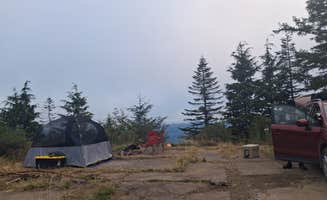
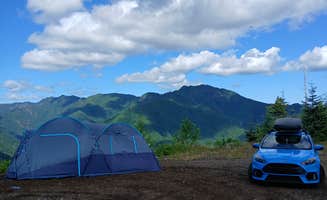
Off-grid seclusion: Road to Snag Lake - Dispersed provides isolation despite the presence of communication towers. "There are several spots off the road around these radio tower stations and it is quite secluded. We didn't see any other person the whole time we were there," writes one camper. Many sites require driving rough forest roads, creating natural barriers to overcrowding.
River swimming: Multiple creek access points offer natural swimming holes with varying depths. "There was a very clear beautiful pool of water in the center and rapids/rocks on both sides for exploring," reports a camper about their private creek access at a Cook Creek site.
Proximity to coastal towns: Elk Creek Campground provides forest camping with beach access options. "Great location only 28 miles from Tillamook," mentions a reviewer. Most forest camping areas lie within 30-45 minutes of Highway 101 and coastal attractions.
Affordable camping: Most forest sites charge $10-15 per night, significantly less than coastal campgrounds. "It was only $10 a night! Definitely a cheap adventure weekend," notes a Keenig Creek camper. Several areas also offer free dispersed camping with no facilities.
What you should know
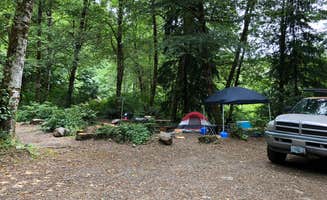
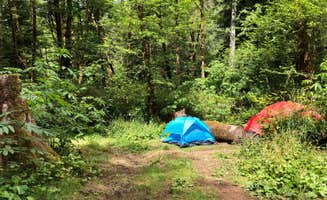
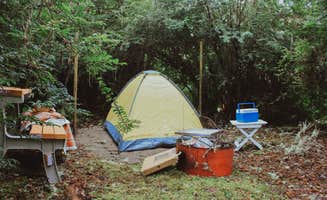
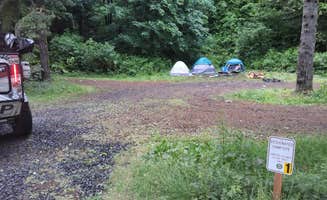
Limited level tent sites: Finding flat spots requires early arrival, especially on weekends. "Level spots were a little hard to come by, even on a Thursday, but we eventually found one," reports a camper about Tillamook Forest Dispersed on the Nehalem River.
Road conditions vary significantly: Some forest roads require high-clearance vehicles. "The road getting here is a bit rough with lots of washboard, steep grades and rocks. But it's fun," writes one camper about Road to Snag Lake. Always check recent conditions before attempting unfamiliar forest roads.
Firewood availability: Some areas prohibit collection of downed wood while others permit it. "We had great free firewood stacked nearby because of all the logging in the area," reports a Gnat Creek camper. Commercial firewood vendors operate near several campgrounds, typically charging $5-7 per bundle.
Cell service limitations: Coverage varies widely across the region. "No cell service while we were there (except the option for satellite for emergencies and whatnot)," notes a Cook Creek visitor. T-Mobile coverage appears strongest near communication towers, while Verizon works better in some valley areas.
Tips for camping with families
Easy access sites: Keenig Creek Campground offers walk-in sites suitable for children. "The trails between the sites are well maintained to drag a cooler to your site," explains one camper. Choose sites closer to parking areas when camping with small children and heavy gear.
Swimming safety: Creek depths change seasonally. "I'd say the absolute best part though is the river access. There's a beyond perfect swimming hole, that we all quickly discovered was plenty deep enough to jump off the rock formation next to it," reports a Keenig Creek visitor. Always test water depths before allowing jumping.
Wildlife viewing opportunities: Morning and evening provide best animal sightings. "I saw a porcupine for the first time while wandering one of the side roads!" shares a Road to Snag Lake camper. Look for salamanders, newts and crawdads in creek beds during daylight hours.
Seasonal considerations: Insect activity increases in late spring through summer. "Bring bug repellant with the mosquitos being an abundant during June," warns an Elk Creek visitor. Some campers report using portable mosquito nets over sleeping areas during peak mosquito season.
Tips from RVers
Size limitations: Morrison Eddy and similar areas restrict vehicle length. "There is a sign that says no RVs, campers or trailers. I was a bit nervous that I would be asked to leave in my van, but never saw a ranger or anyone official," explains one camper about Gnat Creek. Small campervans generally find accommodation at tent sites, while larger RVs must seek designated areas.
Road clearance requirements: Many forest roads have low-hanging branches. "Road is fine and easy. AWD is nice but isn't necessary if the road is fairly dry," notes a Tillamook State Forest Dispersed Camping visitor. Forest service roads marked for passenger cars typically provide 10-12 feet of overhead clearance.
Overnight temperatures: Forest sites average 10-15°F cooler than coastal areas. "Front and 4WD ideal; site fit my 42 foot truck/camper very well," shares a camper, indicating the importance of overnight heating capabilities in larger rigs, even during summer months.










 Traveler


