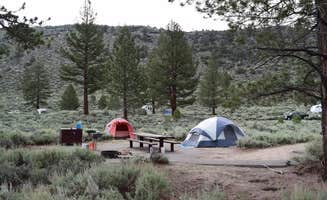
Tent camping near Grassy Butte, North Dakota offers backcountry experiences at elevations ranging from 2,000 to 2,500 feet in the Little Missouri National Grassland. This area features extreme temperature variations with summer highs regularly exceeding 90°F and winter lows dropping below 0°F. Most primitive camping areas in the region require self-contained setups as facilities are minimal across the 70,000+ acres of public land surrounding Grassy Butte.
What to do
Hiking the Elkhorn Ranch trail: A moderate 1.5-mile trail leads from Elkhorn Campground to Theodore Roosevelt's historic ranch site. According to Jim M., "Nearby is Elkhorn Ranch Unit trail leading to Theodore Roosevelt Ranch site. No buildings but interpretive signage."
Wildlife viewing: Early morning offers optimal viewing of native prairie species including bison herds and wild horses. A visitor at West River Rd Dispersed noted, "There was a large beautiful herd of feral horses bedding down with their little ones here in the evening though!"
Photography: The grasslands provide expansive landscape photography opportunities with minimal light pollution. For optimal sunset photos, arrive at higher elevation viewpoints 30-45 minutes before sunset. As one camper notes, the area features a "Badlands feel" with "wide open country."
What campers like
Solitude and space: Most sites remain uncrowded even during peak summer months. A visitor to Elkhorn Campground stated, "Not a busy spot, there was only one other person camping when we were there mid first week of August."
Unique terrain: The mix of badlands formations and prairie grasslands creates distinctive landscapes not found elsewhere in the region. Steve D. described Elkhorn as having "Campsites in valley in Badlands. Nice and clean."
Self-sufficient camping: The primitive nature attracts experienced campers seeking minimal infrastructure. As noted by Kevin T. about Bennett Camp, "This site was very big and could hold a couple tents. It costed 20 dollars to make reservations but was total worth it."
What you should know
Water access is limited: Many sites require bringing your own water or using questionable sources. Jim M. reported at Elkhorn Campground, "Hand pump was hard to pump which produced light brown water which wasn't something we wanted to drink, so bring in your own water."
Unpaved access roads: Many sites require traveling on rough roads that may become impassable after rain. One camper noted about accessing Elkhorn, "Traveled about 35 miles on unpaved road in RAV4 AWD."
Payment systems: Most established sites use self-registration. According to Brittany at Elkhorn, "$6 cash or check, put the money in the envelope and drop it in the box, clip the tag to your site #."
Wildlife encounters: Expect to share space with large wildlife. Kevin T. observed at Bennett Camp, "There is a lot of buffalo out hear ad there is a lot of dung."
Tips for camping with families
Morning activities: Plan morning hikes to avoid afternoon heat, especially during summer months when shade is limited at most sites. Sites at Visitors Center - Beach provide options for both tent and small RV camping, with one visitor noting it was "clean and we liked it alot."
Wildlife safety protocols: Establish clear boundaries for children near wildlife, particularly around bison herds which may appear docile but can be unpredictable. Maintain minimum 100-yard distance from bison.
Weather preparation: Pack both sun protection and rain gear regardless of forecast, as weather changes rapidly. As Steve D. noted about camping facilities, they're "Nice off-grid campsites" but offer minimal shelter from elements.
Toilet facilities: Most primitive sites lack restroom facilities. Sites with toilets typically offer basic pit toilets described by Jim M. as "Close to clean pit toilet."
Tips from RVers
Size restrictions: Most camping areas near Grassy Butte accommodate smaller RVs only, with limited turning radius. Jesse S. described Visitors Center - Beach as a "small rv park we stayed at for 3 night there is space for around 7 units."
Water planning: No hookups are available at most sites, requiring self-contained water systems. Bring extra water as local pump sources may be unreliable or produce discolored water.
Road conditions: Four-wheel drive vehicles are recommended for accessing most sites. As Maddy T. discovered at West River Road, "when I pulled into what I thought would be a spot, the road was deserving a 4WD."
Limited cell service: Prepare for minimal or no cellular coverage throughout the region, making offline maps essential for navigation between camping areas.




 Legend


