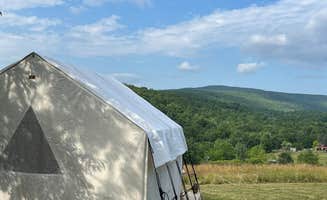
Camping near Warnerville, New York provides access to the western Catskill Mountains at elevations ranging from 1,200 to 2,000 feet. The region features mixed hardwood forests with maple, oak, and birch trees surrounding small streams and ponds. The primary camping season runs May through mid-October, with temperatures typically ranging from 50-80°F during summer months and cooler nights in spring and fall.
What to do
Fishing access points: Several campgrounds offer direct water access for fishing. At Little Lake Campground, the small lake provides a peaceful setting with bass and panfish. As one camper noted, "Great place that's about 50/50 permanent sites and rentals. They have lots to do, the owners are very friendly and accommodating."
Hiking on nearby trails: The area surrounding Glimmerglass State Park Campground offers several trail options for hikers of all abilities. A visitor mentioned, "There's easy hiking on the grounds, and it's close to Cooperstown." Another noted they "have also had some great star viewing here!"
Winter camping options: For cold-weather enthusiasts, some dispersed sites remain open year-round. At Burnt Rossman State Forest, a winter camper reported, "Was a great location for winter camping. Site easily accessible from road. Beautiful, peaceful, great time!"
Swimming and beach access: Several locations offer swimming opportunities during summer months. One visitor to Glimmerglass State Park reported, "The lake is pristine and wonderful to swim in. Nice beach. Also a place for showers and a bathroom and small place for food and extras things you might need for camping."
What campers like
Spacious, private sites: Many campsites in the area provide good separation between neighbors. At Max V. Shaul State Park Campground, a visitor noted, "Great small campground. Lots of space between sites. There is a well traveled road near the park so you get traffic noise. The bath house is clean and modern."
Clean bathroom facilities: Several campgrounds maintain high-quality restrooms. One camper at Max V. Shaul State Park reported, "Great campsite, cleanest facilities ever! Good adjustable campfire cooking rack. Friendly staff, lots of dogs, all on leash!"
Stream and creek access: Many primitive campsites offer direct water access. A visitor to Betty Brook Camp shared, "You camp on the stream. There is a couple of spots," adding that it's "Remote. Sometimes you never see anyone."
Family-friendly amenities: Several campgrounds cater specifically to families with children. A camper at Nickerson Park Campground mentioned, "The pool/water slides were a hit with the kids! Also, the staff come around to pick up your trash bags daily, which was a nice little perk."
What you should know
Road conditions to remote sites: Access to dispersed camping locations varies significantly. At Duck Pond Campsite, a camper warned, "After driving unpaved dirt road for a while, we arrived a surprisingly well maintained beautiful campsites," but cautioned to "be careful driving in the sometimes rough conditions."
Cell service limitations: Mobile reception varies throughout the area. At Duck Pond Campsite, a visitor reported, "Intermittent cell service which was frightening while driving on these rough roads."
Seasonal water levels: Water access can change significantly throughout the season. At Fort Plain Lock 15, a camper noted, "The water was significantly lower last time I was here. They have dropped the gates, and the lock is in operation."
Weekend crowds vs. weekday quiet: Campground activity levels fluctuate throughout the week. One visitor observed, "We stayed for two nights mid-week in June and had the entire loop to ourselves," which made for a much different experience than busy summer weekends.
Tips for camping with families
Look for campgrounds with playgrounds: Some locations offer dedicated facilities for children. A visitor to Country Roads Campground shared, "They have special events in a pavilion near the RVs including bingo," which provides entertainment options for families.
Consider noise factors: Some campgrounds experience traffic or train noise. At Fort Plain Lock 15, a camper warned, "It offers sounds of the highway and freight trains going by, my wife and I love it. If you need quiet, keep on moving."
Check for water recreation: Swimming and water play options vary by location. A visitor to Glimmerglass State Park mentioned, "The beach was gorgeous the campsite was a great size and secluded," making it ideal for families seeking water activities.
Pack for temperature fluctuations: Even in summer, nights can be cool. Bring layers and appropriate sleeping gear for temperature drops, especially in spring and fall when overnight lows can dip into the 40s.
Tips from RVers
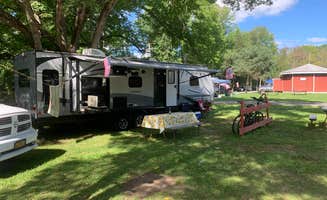
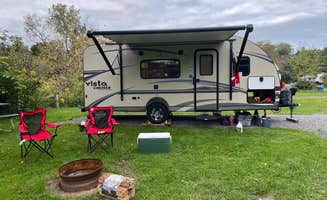
Site leveling challenges: Many campgrounds have uneven parking surfaces. At Hide-A-Way Campsites, a camper reported, "Well maintained clean campground. Friendly attendants guided us to site and directed in spot. Gravel unlevel pad full hookups."
Size limitations for larger rigs: Not all campgrounds accommodate big RVs. At Betty Brook Camp, a local noted, "I would not recommend this for large trailers. The site is fairly small, but it's in state park, and there's tons of walking that can be done."
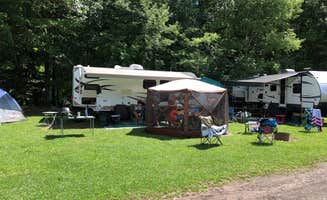
Pull-through availability: Some sites offer easier access for RVs. A visitor to Little Lake Campground mentioned, "There are many pull through sites, lots of wooded sites, and open areas for kids to play. Electric, water, and septic hookups were all modern and in great shape."
Check hook-up reliability: Water pressure and quality varies significantly between campgrounds. At Country Roads Campground, guests appreciate that they're "escorted to our site upon arrival," helping to ensure proper hook-up.






 Guide
Guide


