Dispersed camping near Walpack, New Jersey centers primarily around the surrounding Delaware Water Gap region and connecting wilderness areas. The terrain features rocky outcroppings and dense forest cover with elevations ranging from 300 to 1,500 feet. Summer temperatures typically reach 80-85°F during day hours with overnight lows around 60°F, while spring and fall camping requires preparation for temperature swings of 30-40 degrees between day and night.
What to do
Hiking on marked trails: The Thunder Swamp Trail system offers extensive hiking opportunities through varied terrain. As one camper noted at Thunder Swamp Trailhead: "Tons of hiking. Went down Saw Creek trail to a marsh."
Wildlife observation: Early mornings provide optimal wildlife viewing opportunities throughout the region. Black bears, white-tailed deer, and numerous bird species inhabit the area. Camping areas typically require proper food storage practices to prevent wildlife encounters.
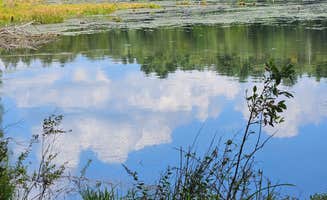
Water activities: Some primitive camping sites offer lakeside access, though amenities remain minimal. A camper at Hickok Brook observed: "Very gorgeous but not rv friendly," mentioning the small lake accessible from the camping area.
What campers like
Privacy between sites: Even at more established primitive sites, campers appreciate separation between camping spots. At Appalachian Trail- Designated Backpacker Campsite 2, visitors note: "We camped nearer to others but there are secluded spots too."
Bear boxes at select sites: Some designated backcountry sites provide critical amenities like secure storage. One camper mentioned that Appalachian Trail Designated Backpacker Campsite 2 is "Well maintained w bear boxes provided. Good trees for hammocking."
Quiet atmosphere: The remote nature of dispersed camping locations ensures minimal noise disturbance. As one camper at Thunder Swamp Trailhead stated: "Trailhead parking was chill for a night. No trouble."
What you should know
Permit requirements vary: Camping regulations differ significantly between New Jersey, New York, and Pennsylvania sections of the region. At Hickok Brook, a camper learned: "Where I originally camped was not a spot, according to Ranger. Had to move next to the lake. Need a permit on NY state land."
Limited or no water sources: Many dispersed camping areas require carrying all necessary water. Campers should plan accordingly for the entire stay plus emergency reserves.
Restricted camping areas: Not all seemingly suitable spots permit camping. Rangers actively enforce designated camping areas throughout the region, particularly near protected waterways and sensitive habitat zones.
Tips for camping with families
Limited facilities mean extra preparation: No facilities exist at most dispersed sites, requiring careful planning for bathroom needs. Bring portable toilet solutions and proper waste disposal supplies when camping with children.
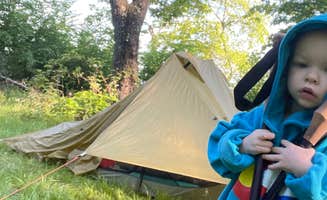
Weather preparedness: Temperature fluctuations can be significant, especially in spring and fall. Pack additional layers for children, who typically need warmer sleeping gear than adults in the same conditions.
Site capacity constraints: Many primitive sites accommodate limited numbers of tents or hammocks. At Appalachian Trail Campsite, spaces fill quickly during peak season, particularly on weekends from May through October.
Tips from RVers
Access road challenges: Most dispersed camping areas feature limited access for larger vehicles. A camper at Hickok Brook warned: "The road is very rough with huge potholes so good clearance is a must. It's not a good spot for car camping."
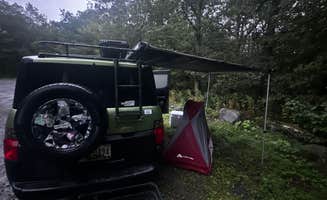
Parking limitations: Even accessible trailhead areas offer minimal parking for larger vehicles. One visitor at Thunder Swamp Trailhead described it as simply "a gravel parking lot. Plenty of shade. No one bothered me."
Supplies and services: Towns near dispersed camping areas offer minimal services. A camper at Hickok Brook advised: "Bring everything with you. It's a hike back to town... there is a small town 10 minutes away. Eldred, NY."



 Scout
Scout


