



rachel J. Scout
Scout
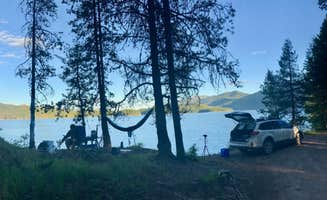
ScoutRyan Road Dispersed Camping
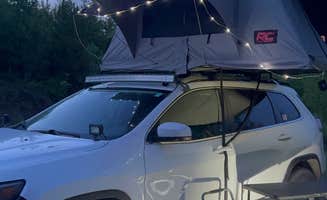
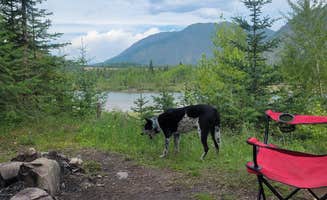
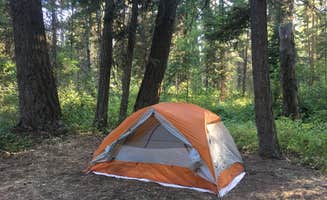
Great spot near Glacier National Park
Easy to access, quiet and beautiful! Super close to the park.
273 campgrounds · Check availability for any dates.
The Flathead National Forest surrounding Olney, Montana provides diverse camping experiences ranging from established campgrounds to remote dispersed sites. Tally Lake Campground, approximately 15 miles southwest of Olney, offers tent and RV camping with basic amenities including drinking water and vault toilets. Upper Whitefish Lake Campground provides a more secluded experience with lakefront sites, while Stillwater Lake features dispersed camping options with minimal facilities. The region's proximity to Glacier National Park (about 30 miles east) makes it a strategic basecamp for exploring both national forest and park lands, with options spanning from primitive tent sites to full-service RV resorts in nearby Whitefish and West Glacier.
Road conditions vary significantly throughout the area, with many forest service roads requiring high-clearance vehicles, particularly after rain or during spring runoff. As one camper noted, "The road from Whitefish Lake is rough and only graded as needed. When coming from Olney the lower part of the road is washboarded but not horrible." Most campgrounds operate seasonally from May through September or early October, with winter access limited by snow. Bear activity is common throughout the region, necessitating proper food storage in all camping areas. Cell service becomes increasingly limited as distance from towns increases, with many remote sites having no connectivity.
Wildlife viewing opportunities rank highly in camper reviews, with deer, moose, and occasional bear sightings reported at many locations. The crystal-clear lakes are consistently praised, with one visitor describing Upper Whitefish Lake as "enchanting. The water so clear you can see the bottom as the fish swim by." Fishing, boating, and swimming access are available at most lakeside campgrounds, though amenities vary widely. Campground hosts at established sites like Tally Lake receive positive mentions for their helpfulness and local knowledge. Campers frequently note the need to arrive early during peak summer months, as the most desirable waterfront sites fill quickly, especially on weekends and holidays.
"Yep it runs right next to the park. Yep it can be loud and annoying, but don't overlook this place because of it. Bring earplugs and a white noise machine and you will sleep like a baby."
"Away from it all while close to it all."
from $20 / night
Check Availability"It’s so close to the National Park entrance and a beautiful place to stay. The road is a bit bumpy getting down here but there’s plenty of room for tent camping and RVs. Be careful though!"
"Perfect spot for camping outside the west entrance, about 25 minutes away. That road is a little rough coming in but it’s short and manageable, even saw a little Mazda make it in."
"Great little spot to spend a few days away from town."
"Talley Lake campground is located in the Flathead National Forest west of Kalispell MT."
from $22 - $350 / night
Check Availability"We have stayed in Many Glacier and Avalanche Creek but this is our favorite campsite in the park because of its proximity to Lake Mcdonald as well as Apgar village."
"Now the good: We were really close to Apgar village and other sites along the Road to the Sun road. The rangers were nice and pleasant to interact with."
from $30 / night
Check Availability"There is a boat ramp and trail head within walking distance. There is a little bit of traffic and that’s just the boaters. There is a lot of wildlife (eagles, moose mountain lion, beaver, chipmunk)."
"This lake is never a disappointment! Easy access roads, nice boat launch, and solid camping sites."
"Apgar is walking distance from the Apgar Visitor Center and park shuttles, as well as Apgar Village, camp store, equipment rentals, etc."
"I could see 6 or 7 other camp fires burning while sitting next to mine. We stayed three nights and every night heard someone a site or two over as he was talking too loud (and too much)."
from $45 - $90 / night
Check Availability"about 6 spots to camp. plenty of people close by, felt safe. fire pits. vault toilet. right next to the river - beautiful! some bees around but weren’t bothersome."
"We had been searching around for a First come First served site and hadnt found anything that looked just right. We wanted to have a little space and be on water."
"Only about 15 minutes away from Glacier National Park Westgate. I was able to stay here for multiple days. Each time was no trouble in finding a place to park."
"Off road to access - need 4WD if real muddy. Not easy access for campers."
"Montana is absolutely gorgeous! I may be biased because I go to college in Montana, but there is so many great outdoor activities. The mountains and scenery are my favorite."
"Great place tucked away from the road. Sites are smaller. Place was clear even the showers. Hot water in the morning not so much at night."
from $45 - $120 / night
Check Availability"This is a big RV resort close to West Glacier town and park entrance. We came with our 25’ RV and reserved a tent pad site to ensure we were up against the edge of the resort."
"9/13/19 West Glacier, Montana West Glacier KOA Resort
Most beautiful location of the KOAs I've stayed at. Nestled against the mountains and less than 3 miles to Glacier National Park. "



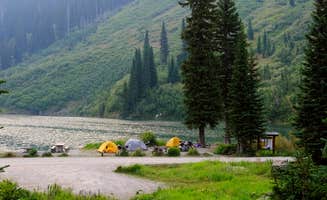


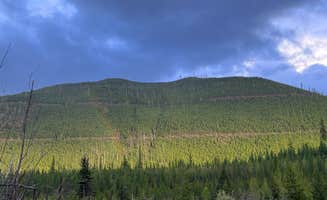

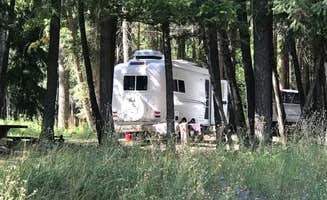

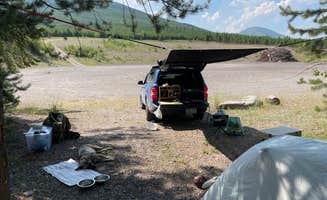



 Scout
ScoutEasy to access, quiet and beautiful! Super close to the park.

 Guide
GuideAbsolutely stunning. Very quiet and the sounds of the rivers are intoxicating. You'll sleep like a baby.
GuideIf you're in the area, just come here. There's water you can source right from the river, and plenty of downed trees that can be used for firewood. The only downside is that there is limited sunlight due to the depth of this river valley and the height of the trees, other than that, just come on down.
 Guide
GuideRight outside of town, down a pretty easy road to get to the spots. Good cell signal.
Guide10 minutes outside the park. Road conditions are fair, 8ish spots to choose from.
 Guide
GuideNice spot close to glacier national park. Decent service and relatively flat. There was lots of gunfire though up until sundown.
 Guide
GuideDecent low key commercial campground...pull through sites...full hook up...fairly priced...nice location...a little tough to see entrance in the dark....Highly recommended especially for folks like us that need a decent place to base out of.....easy check in...online reservation.....friendly onsite owner..would stay again
GuideChoose the far left corner driving in facing the open field. You can hear the road traffic but very much traffic.
 Guide
GuideWe stayed here for 13 days and had a great time. Close to Lake McDonald area, Trail of Cedars, Avalanche Lake, and Johns Lake Loop. Bathrooms are clean. Water and trash available. Buy your firewood at Super 1 in Columbia Falls ($5.99) rather than in the park (cheapest we found was $8.99 in Apgar). Keep your food in the campground bear boxes or hard sided container in your vehicle or you may end up with mice in your vehicle like we did!! Showers (free) available at Apgar Campground but count on there being a waiting line. Be bear aware! They are around and active even in the campground.
Dispersed camping options near Olney, Montana extend beyond the Flathead National Forest into surrounding public lands and National Forest areas. The region sits at an elevation of approximately 3,100 feet with summer temperatures typically ranging from 45-85°F. Winter camping remains possible in lower elevations, though access becomes increasingly difficult after October when snowfall begins accumulating on forest service roads.
Lake activities: Paddle at Upper Whitefish Lake, where the water clarity allows you to see fish swimming below your boat. A visitor describes the experience: "The Lake itself is enchanting. The water so clear you can see the bottom as the fish swim by. You will often encounter deer, moose and of course the occasional bear" (Upper Whitefish Campground).
Cliff jumping: Try the popular spots at Tally Lake Campground, where numerous campers mention this activity. One camper notes: "Great place, volleyball court and pavillion. Can get extremely busy though. Great cliff jumping!" Another simply states it's their "favorite lake to cliff jump."
River rafting: Watch or join rafters on the Flathead River. At North Fork Flathead River Dispersed Camping, a camper reports: "We were able to park on the beach, right on the flathead river and watch the rafters go by." Boating access makes it a popular entry point for water activities throughout summer months.
Winter camping: Access Glacier National Park in colder months from Whitefish Lake State Park. A camper suggests: "if you are into winter camping this is probably one of the best places to camp to get out to Whitefish to ski." The park remains open year-round, providing a strategic base for winter recreation.
Clear waterways: Swimming in crystal lakes that maintain good visibility. One visitor to North fork Flathead River notes: "The River was perfect for cooling off after being in the sun." Campers consistently mention water quality and temperature as highlights in summer months.
Wildlife viewing: Bear aware camping offers sighting opportunities. A camper at Stillwater Lake reports: "There is a lot of wildlife (eagles, moose mountain lion, beaver, chipmunk)." Wildlife sightings are more common during early morning and evening hours across most campgrounds in the region.
Star viewing: Night skies without light pollution create memorable experiences. At the North Fork Flathead River camping area, a visitor describes: "At night, it clears out and that's when the magic happens. The stars are so bright and the Milky Way seems so close you could touch it." Clear skies are most reliable between July and September.
Convenience: Quick access to Glacier National Park saves travel time. One camper staying at Blankenship Bridge mentioned: "We stayed here to have quick access to Glacier National Park" and found the location "breathtaking" despite road challenges.
Road conditions: High clearance vehicles recommended for most dispersed sites. At Middle Fork Flathead River, a camper warns: "Road has huge and I mean huge puddles. Very tight fit for truck and trailer for sure in a lot of the spots." Road maintenance typically occurs in early summer but conditions deteriorate throughout the season.
Train noise: Railway proximity affects sleep at some campgrounds. At Whitefish Lake State Park, campers consistently mention train disturbances: "Despite being near houses and a load train route - and on the smaller side of things - this campground makes the most of it." Another camper notes trains pass "constantly."
Early arrival: Popular waterfront sites fill quickly during peak season. A visitor to Fish Creek Campground advises: "Though recreation.gov indicates that the campground is full, there were sites that were open, either from cancellation or no shows." Weekday arrivals before 11am typically offer the best chance for securing desirable sites.
Cell service: Connectivity varies widely by location and carrier. A Middle Fork camper reports: "Good cell service with AT&T," while others mention spotty or no service in more remote locations. Most established campgrounds near towns maintain at least partial service.
Group facilities: Reserve sites with shared amenities at Tally Lake where group camping includes added features. One visitor shares: "Stayed at the group pavilion with family. Great set up near bathrooms, creek with bridge and trail to a small beach. Short drive and hike to some cliffs to jump off of."
Activity rentals: Gear available on-site at many locations. A camper at Fish Creek Campground mentions: "You can buy firewood in nearby Apgar Village, where there are also restaurants, coffee shops, kayak rentals and more." Rental prices for kayaks typically run $25-35 per hour.
Educational programs: Attend ranger-led events when available. A visitor notes: "Enjoyed the nightly ranger programs" at Fish Creek Campground. These programs typically run 30-45 minutes and cover wildlife, geology, and history topics suitable for all ages.
Campsite selection: Look for sites away from water if mosquitoes are a concern. One camper at Tally Lake Campground suggests choosing campsites that are "far enough away (not right on the water like 34) to lessen the mosquitos." Bug activity is highest from June through August, particularly around dusk.
Hookup availability: Most sites offer limited services with few full-hookup options. A camper at Glacier Campground explains: "There is water and electricity, but not full hookups. They do have a dump station though."
Site dimensions: Confirm capacity before arrival as many areas have size restrictions. At Fish Creek Campground, a visitor explains: "I was reluctant to reserve a site at Fish Creek Campground because they are mostly pull-in, and very few back-ins... RVs or vehicle combination longer then 21 feet or 8 feet wide with the mirrors are allowed in this campground."
Road access: Plan routes carefully for larger vehicles. A Blankenship Bridge camper warns: "Deep rutted muddy holes filled with water to get to site. Sketchy low trees and narrow road. Decided not to risk it in my van." Most forest service roads become increasingly challenging after heavy rain.
Extension cords: Pack longer power connections than standard equipment. One RVer at Glacier Campground advises: "Make sure you bring an extension cord to hook up your electric just in case you have a short standard cord on your camper." Power pedestals can be located up to 25 feet from parking areas.
Frequently Asked Questions
Where is Olney Campground located in Montana?
Olney is a small community located in northwestern Montana, approximately 25 miles northwest of Whitefish in Flathead County. While there isn't a specific 'Olney Campground,' the area offers several camping options. Upper Whitefish Campground is nearby, situated along Whitefish Lake with recently expanded sites. The Olney area also provides convenient access to Sylvia Lake Campground, which is tucked into the Flathead National Forest via a winding forest road. Both campgrounds offer beautiful mountain settings characteristic of northwestern Montana.
Is there a map available for Tally Lake Campground near Olney?
Yes, maps for Tally Lake Campground are available through multiple sources. You can obtain official campground maps at the ranger station in Whitefish, at the campground entrance from the host, or download them from the Flathead National Forest website. The campground features various sites with proximity to hiking trails and the lake, making a map helpful for choosing the best location. For additional mapping resources, Apgar Campground visitor center in nearby Glacier National Park also stocks regional maps covering the Olney area and surrounding campgrounds.
What camping is available near Olney, MT?
According to TheDyrt.com, Olney, MT offers a wide range of camping options, with 273 campgrounds and RV parks near Olney, MT and 36 free dispersed camping spots.
Which is the most popular campground near Olney, MT?
According to TheDyrt.com, the most popular campground near Olney, MT is Whitefish Lake State Park Campground with a 3.5-star rating from 17 reviews.
Where can I find free dispersed camping near Olney, MT?
According to TheDyrt.com, there are 36 free dispersed camping spots near Olney, MT.
What parks are near Olney, MT?
According to TheDyrt.com, there are 8 parks near Olney, MT that allow camping, notably Kootenai National Forest and Glacier National Park.
Keep Exploring