Equestrian campers near Grover, Missouri access a network of trails connecting to regional paths through wooded terrain. Missouri's state park and conservation area horse campgrounds operate year-round with seasonal trail use restrictions during hunting seasons. Winter trail riding options remain available in most campgrounds, though water access may be limited from November through March.
What to do
Trail rides between parks: Cuivre River State Park Campground offers equestrian sites that connect to surrounding trail systems. "The trail system includes routes passing near Six Flags amusement park with connections to various scenic overlooks" according to visitors who enjoy longer rides between parks.
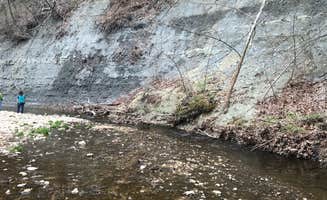
Swimming and riverside activities: St. Louis West / Historic Route 66 KOA provides creek access for water activities. "Campers were right across from the creek to take them down to play. Also, kids were catching crawdads!" notes Lindsey R., highlighting opportunities beyond horseback riding.
Nature viewing: Daniel Boone Conservation Area features walking paths and ponds. "There's a little pond with wildlife like rabbits and frogs," reports Tee C., mentioning the area's natural diversity accessible from primitive campsites.
Hiking near horse trails: The conservation areas offer multiple hiking options that parallel equestrian routes. "The park itself has some great hiking and biking trails, but the big draw is equestrian in nature (including eventing jumps along some of the trails)," notes one reviewer about local options.
What campers like
Shower facilities: Cuivre River State Park Campground maintains year-round bathrooms that complement equestrian camping. "Showers and restrooms year around, frost free water at both ends of the campground," reports one visitor, noting amenities particularly useful after trail rides.
River access: Blue Spring Ranch combines horse camping with water features. "Highly recommend going to the 'Upper Beach'! Get there early in the morning to set up your chairs in the river to get a good spot. They also have trail riding," advises Caitlin F.
Privacy between sites: Some equestrian campgrounds offer more separation than others. "The sites for full hook ups are separate from the other sites," notes Kayla S. about certain horse camping areas, providing options for riders seeking more solitude.
Mounting facilities: Horse-specific amenities enhance the camping experience. "There's a round pen mounting blocks shower and bathrooms in camp," reports one equestrian camper about the facilities designed for horse owners.
What you should know
Equestrian traffic patterns: Horse campgrounds serve as trailheads for day riders. "Expect this campground area to be busy as it is the staging area for equestrians who use the park," notes Annie C., explaining weekend congestion patterns at Greensfelder County Park.
Electrical considerations: Not all sites offer equal power options. "Site 29 only has 2-20 amp plugs no 30 [amp] didn't realize till we parked. Only this one doesn't have 30," warns Matthew H. about variations in electrical hookups between sites.
Trail courtesy expectations: Most trail systems are multi-use. "90% of them [hikers and bikers] are polite and yield to horses," reports Alicia B. about trail etiquette in the region.
Seasonal maintenance: Spring flooding affects trail and campsite conditions. "Not a 5 star as had flooding and quite a bit of dried mud on our paved site," explains one camper about early season conditions.
Tips for camping with families
Noise considerations: Horseshoe Lake State Park Campground offers quieter family options. "The campground is relatively small but has great sites to camp. Very private and clean," writes WanderlustDu0, noting its suitability for families seeking tranquility.
Safety near horse areas: Maintain distance from equestrian facilities with children. "We stay about 30 feet to the right of the horse pin, and behind it where they dump the horse stuff really can't smell anything," advises one family about positioning campsites away from active equestrian areas.
Creek access for children: Select campsites near shallow water features. "The family beach was really nice but all the dogs kept trying to pee on all our stuff," cautions Maria E., highlighting supervision needs at water access points.
Playground proximity: Some campgrounds offer play areas near horse facilities. "Playground for grandkids and plenty of shaded campsites," notes Delores B. about amenities available for families at certain parks.
Tips from RVers
Site positioning for large rigs: Bass' River Resort accommodates various RV sizes. "This was a great campsite with water and electric hookups... nice restaurant for breakfast and a great store," says Donna H., noting amenities that support RV camping.
Leveling challenges: Horse campgrounds often have uneven terrain. "The campsite was so unlevel my 1 year old couldn't even stand outside the camper without falling," warns one RVer about site preparation needs.
Hookup locations: Verify utility positions before parking. "Most sites are great for trailers 26' or less and 1 slide (sites 24-26 can fit a fifth wheel probably no bigger than 36-38 ft)," advises Matthew H. about specific site dimensions.
Dump station alternatives: Local options exist when campgrounds lack facilities. "No dump but KOA and RV dealer 5-7 mins away," notes one RVer about services available outside the campgrounds.





 Legend


