Tent campsites near Big Bay, Michigan dot the western Upper Peninsula where dense forests meet inland lakes and the shores of Lake Superior. Annual snowfall in this region averages 180-200 inches, with a short but mild summer camping season from June through September. Access to many primitive sites requires navigating unpaved forest roads that can become challenging after rainfall.
What to do
Hiking near waterfalls: The Sturgeon River Gorge Wilderness offers dramatic waterfall views accessible via switchback trails. "The hike in was one of the most beautiful switch back type hikes, with breathtaking views of the gorge on the way down, a quick hike to the top of gorge once you're down, then look down and see the waterfalls!" notes visitor Rebecca P.
Mountain biking trail networks: Forestville Campground serves as a trailhead for extensive mountain biking routes. "Part of the Noquemanon Trail Network for mountain biking," explains Richie C. "This campground is well placed for hiking as well. Sugarloaf Mountain and Hogsback are only a short drive away."
Kayaking on remote lakes: The quiet waters around Big Bay limit motorized craft on many lakes. One camper at Craig Lake State Park reports, "Beautiful quiet lake. Some cabins available to rent. No motors on lake." Paddling these waters offers both recreation and transportation to remote campsites.
What campers like
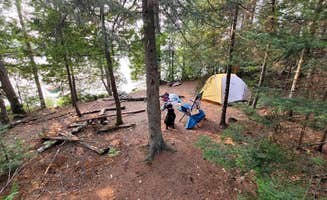
Genuine seclusion: Craig Lake State Park Campground provides true isolation from crowds and development. "This is my absolute favorite place to camp, hike, kayak, fish, and just get away from it all. If you want seclusion, you can find it here with many remote campsites that are only accessible through the water or overland by hiking the trails in the park," shares Jeff P.
Year-round accessibility: Unlike many UP campgrounds, some sites maintain limited winter access. "We camped here in a van in December and we're able to access the pit toilets. They were very clean. We had the whole place to ourselves," notes Jenny K. about winter camping at Forestville.
Wildlife viewing opportunities: The natural setting supports diverse wildlife. Craig Lake campers report seeing "loons, eagles, bears, moose, deer and others." Morning birdwatching can be particularly rewarding, with one Big Lake visitor noting they "enjoyed listening to the sandhill cranes every morning."
What you should know
Road conditions matter: Big Lake State Forest Campground access requires careful vehicle selection. "The entrance to this campground is not for low clearance vehicles...it is full of HUGE flooded potholes (small ponds really). Not recommended for 2 wheel drive, low clearance vehicles," warns Shari G.
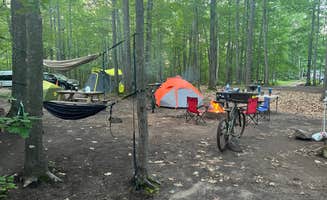
Limited site amenities: Most tent sites offer basic facilities only. "Vault toilet and water hand pump are available," reports one Big Lake camper, while another notes campsites typically include "fire pits and picnic tables." Running water is uncommon except at hand pumps.
Reservation systems vary: Most rustic campgrounds operate on first-come, first-served basis with self-registration. "There's no one on site to tell you if anything is available so you just have to go look," explains one Forestville camper. Midweek arrivals increase your chances of finding open sites.
Tips for camping with families
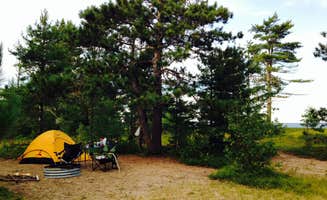
Choose sites with water access: Small beaches provide child-friendly recreation. "The lake was nice and there was a small beach," notes Amy K. about Big Lake State Forest Campground. Water access points with gradual entry work best for families with young children.
Consider campground layout: Site spacing affects privacy and noise levels. "Sites aren't very private, and are somewhat cramped, but I've certainly seen worse," reports Joshua L. Families often prefer corner sites or those backing to natural barriers for added buffer space.
Pack for temperature swings: Keweenaw Peninsula High Rock Bay and other lakeside sites experience significant day-night temperature changes. "The air is cool and crisp, the water is crashing against the rocky shoreline," notes Austin B. Even summer nights can drop below 50°F near water.
Tips from RVers
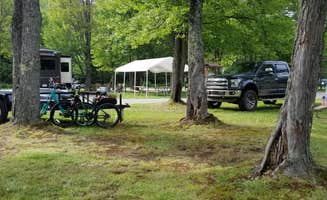
Campground size limitations: Most rustic sites cannot accommodate larger RVs. "My F150 with a truck camper made for a long, slow drive," reports brian B. about accessing remote sites. Forestville specifically notes "large RVs will not be able to access these sites! Only a one lane path with tight turns."
Self-contained setup required: Limited facilities mean RVers need independence. "Vault toilets and no shower," summarizes one camper, while another specifies "No running water or showers. But, you should have close to full cell service" - an important consideration for RVers requiring connectivity.








 Legend


