Dispersed camping near Hiawatha National Forest offers multiple remote sites across Michigan's Upper Peninsula. The forest encompasses nearly one million acres with elevations ranging from 600 to 1,300 feet. Seasonal fluctuations significantly impact accessibility, with forest roads often becoming challenging during spring thaw and after heavy rain events. Most sites lack basic facilities and require campers to bring all necessary supplies.
What to do
Kayaking between lakes: The dual-lake system at Ironjaw Lake Dispersed Campsite provides excellent paddling opportunities. "We were lucky, we went pre-season. We did have to clear a bunch of down trees to get down the road but we had the site and the lakes to ourselves. It was gorgeous," notes camper Willow M.
Wildlife observation: The forested areas surrounding these campsites host diverse wildlife. Campers at Hickey Marsh Dispersed Camping report various encounters. Kevin D. describes, "At times the night was eerily silent, at other times I heard dirt bikes and tractor trailers in the distance, also heard a pack of coyotes at one point and pretty sure I heard some sort of padfooted animal walk by my site once or twice."
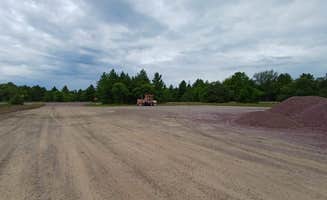
Snowmobiling preparation: Winter recreationists can utilize parking areas that serve dual purposes. "Large, flat, dirt parking lot for snowmobilers in the winter. No other signage re: overnight parking," reports Laura M. about the Adams Trail area, indicating its primary winter function.
What campers like
Quick access from major roads: Several dispersed sites sit relatively close to main thoroughfares. "Just off M-28, down the right side road a bit you will see campfire remnants and a spot where people tend to park on the left," explains Hunter W. about accessing camping areas.
Cell service availability: Unlike many remote areas, certain sites maintain connectivity. Amy Y. from Coalwood Trail - Dispersed Campsite reports, "T-Mobile cell services was very good. I would warn though that the mosquitoes were pretty bad when we visited."
Size options for different vehicles: Sites accommodate various camping setups. Naomi L. explains, "We pulled in a 15 foot trailer and turned it around but wouldn't go much bigger," highlighting the practical limitations of these small forest sites.
What you should know
Navigation challenges: Finding some sites requires preparation. One camper at Ironjaw Lake noted, "your best directions will come from locating the site on your GPS (in our case Google Maps) and dropping a pin. That took us straight to the location no problem."
Road clearing needs: Fallen trees frequently block access roads to remote sites. "We did have to clear a bunch of down trees to get down the road," reports a visitor, emphasizing the need for basic tools and preparation.
Insect preparation: Herman Lake Dispersed and surrounding areas have significant mosquito populations. One camper described their experience as "Beautiful, Buggy and hard to get to!" Brad W. adds that certain areas have "Tons of mosquitos right next to a small danky pond."
Tips for camping with families
Road condition assessment: Families with children should carefully evaluate access roads before committing. "We went down a very deeply rutted and muddy one lane road in for about 1.5-2 miles... Although we stayed one night and made it to and from unscathed, we do not recommend towing down this road," advises suzanne C.
Weather monitoring: Rain can quickly deteriorate forest roads. One family notes they only stayed one night because "Rain was expected the following day so we only chanced it for one night afraid a tree would block the road and the mud would get worse."
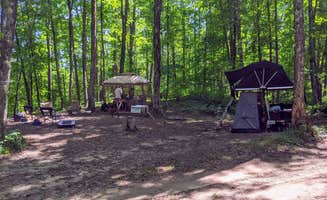
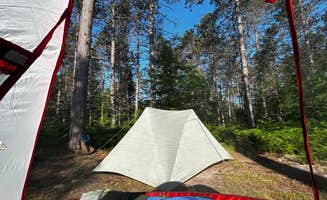
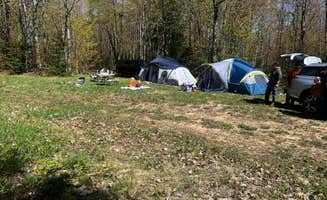
Site selection for privacy: Multiple pull-offs often exist along forest roads. "There are 3 sites in total. Ground is flat enough to comfortably tent camp," explains Kevin D., providing options for families to select sites with appropriate space and privacy.
Tips from RVers
Size limitations: Adams Trail Dirt Lot accommodates larger vehicles compared to forest sites. "Lot is huge - easy turnaround for larger rigs," notes Laura M., who visited in a 26-foot motorhome.
Hook-up alternatives: No dispersed sites offer hookups, requiring self-containment. "We stayed here in August on a rainy day and it was just us (in a 26ft motorhome) and a van lifer here, and another car joined us in the night," shares one RVer about managing without facilities.
Parking strategy: When using parking areas designed for other purposes, campers recommend specific positioning. "We parked along the end, in case a truck came by to pick up a load of gravel," advises an experienced RVer, demonstrating considerate use of shared spaces.










 Scout
Scout


