Primitive camping near Grand Rivers, Kentucky centers around Land Between the Lakes National Recreation Area, which encompasses 170,000 acres between Kentucky Lake and Lake Barkley. Winter temperatures typically range from 20-40°F, while summer temperatures often exceed 90°F with high humidity. Water levels fluctuate seasonally, with winter pool causing shorelines to recede and create extended beach areas at many dispersed campsites.
What to do
Kayaking access points: Multiple sites at Demumber's Bay offer direct water entry for small craft launching. "There is a boat ramp, and zero entry areas into the water for launching," notes one visitor who found the area "allows for easy kayaking or other small water craft."
Wildlife observation: The buffalo prairie is accessible from several camping areas. "Would recommend seeing the buffalo on the way in or out," suggested a camper who stayed at Forest Service Rd 343, noting it as a highlight of their trip.
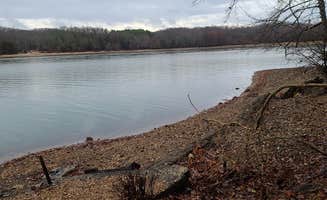
Fishing from shore: Many peninsula sites provide excellent bank fishing opportunities. At Barge Island, one camper reported: "If you continue straight on Barge Island Rd it turns to gravel and you end up on a small gravel beach area, good for fishing."
What campers like
Solitude and privacy: Secluded spots are highly valued by visitors to the area. At LBL FS-326, a camper shared: "A few cars went by looking for whatever, but the road dead ends at Energy Lake. It was quiet most of the time."
Natural swimming areas: The lake shoreline provides natural swimming opportunities at many sites. "I was able to swim and had a great night to myself!" reported one camper about their experience at Forest Service Road 343.
Night sky viewing: Limited light pollution makes stargazing exceptional. At Neville Bay, campers particularly enjoy "lots of sites to camp" with many finding spots "in the shade on a hot summer weekend" perfect for evening sky viewing.
What you should know
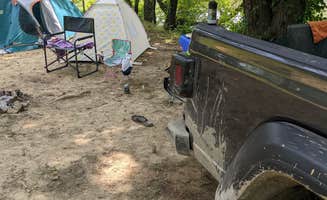
Access road conditions: Road quality varies dramatically throughout the region. At LBL FS154 - Dispersed, a visitor noted: "You might need 4wd; it had rained all day before I got here and there were some rough/sloppy patches in the road."
Seasonal challenges: Bug activity intensifies during summer months. One camper at Demumber's Bay reported: "Pulled in around dusk and there was a deserted camper there, about 4 pull in sites for rooftop campers. The bugs were insane and 40 must've flown into my car when i opened the door for a split second."
Permit requirements: Backcountry permits must be obtained before setting up camp. "A Dispersed Camping (Basic Camping) permit is required to camp here and you must purchase these at any of the three Visitor's Centers PRIOR to coming out," warns a frequent visitor to the area.
Tips for camping with families
Multiple site options: Some areas offer numerous spots close together for family groups. A visitor to Demumber's Bay observed: "This road is a paved Forest road that leads to a boat ramp. There are multiple dispersed camping spots available along the way (closer to the bay mostly)."
Safety precautions: Cell service is limited throughout the area. Consider bringing walkie-talkies for communication between family members when exploring.
Kid-friendly swimming: Look for gradual entry points to the lake during summer pool levels. At Land between The Lakes Bards Lake Tharp Road, one family mentioned: "My family and I loved spending time at this spot!" noting the accessibility of shoreline for children.
Tips from RVers
Size limitations: Most dispersed sites accommodate smaller RVs but present challenges for larger rigs. At Neville Bay, a camper reported: "We went with our 30 ft travel trailer. There is no hook ups. Can run generator until 11pm."
Generator policies: Generator use is permitted at some sites with time restrictions. "Nice little are to camp at. Well suited for tents. Most of the area isn't very level," noted a visitor describing the terrain challenges at Neville Bay.
Leveling challenges: Prepare with leveling blocks as many sites feature uneven terrain. Bring sufficient water supplies as no potable water is available at primitive sites.










 Ranger


