Kanopolis State Park sits along the Smoky Hill River in central Kansas at an elevation of 1,500 feet. The park spans over 1,900 acres of rolling hills with distinctive limestone formations that create unique hiking environments. Water levels at the reservoir fluctuate seasonally, affecting shoreline access and swim areas during drought periods when temperatures commonly reach the mid-90s in July and August.
What to do
Kayaking on Wilson Lake: Wilson Lake offers exceptional water activities for visitors with pets due to its clear water conditions. At Big Bluestem Hell Creek Area Campground, you can launch directly from waterfront sites. "We like to fish and kayak - sometimes fishing from the kayaks, and we always have good luck at Wilson. We try to get a campsite with water access so we can easily get the kayaks in and out if the water," notes Kate W.
Hiking through limestone formations: The trail system around Kanopolis provides unique terrain features not commonly found in Kansas. "Trails with cliffs, creeks and caves, campsites with incredible views and Bald Eagles soaring overhead," shares Holt and Sam L. about their experience at Eagle Point Campground. The hiking trails typically range from easy 1-mile loops to more challenging 6-mile routes through varied terrain.
Swimming at designated beaches: During summer months, the swimming areas provide relief from heat for both campers and their pets. "There was a swimming beach just a few steps away from our tent spot which was why we chose it," reports Curren C. about their stay at Minooka Park, which features designated swimming areas where pets can cool off alongside their owners.
What campers like
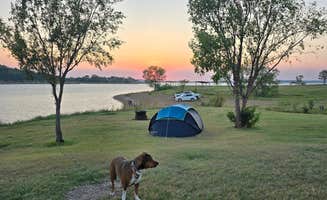
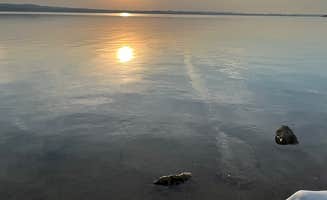
Waterfront access: Many campers appreciate the ability to camp directly along the shoreline. "We got a perfect camp spot all to ourselves. It was not necessarily private or in the woods. But we were right up against the lake. There was sand like a beach," reports Carter W. about Sandyshore Campground, noting the distinctive sandy shore features rarely found at inland Kansas lakes.
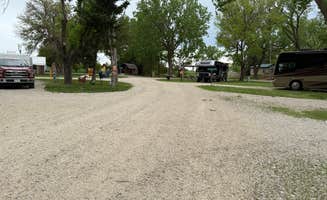
Spacious, well-maintained sites: The campgrounds maintain adequate spacing between sites for pet comfort. "There is plenty of room between sites with well maintained grounds. Most but not all have electricity. Some also have water," shares Doug W. about his experience at Venango Park. The typical site width ranges from 25-40 feet, providing reasonable separation between camping units.
Wildlife viewing opportunities: The park area supports diverse bird and animal species that campers frequently observe. "We found a couple caves and climbed some rock," notes Carter W. about exploring the natural features around Sandyshore Campground. Bald eagle sightings are particularly common during spring and fall months.
What you should know
Wind conditions can be challenging: Kansas prairie winds can affect camping comfort, particularly for tent campers with pets. "WINDY, WINDY, WINDY!!!!! This campsite is NOT for tents! We arrived hoping to cook and hang out on the lake but the 18mph winds had us huddled near the car as a winds shield," warns Elizabeth M. about Minooka Park. Wind speeds regularly exceed 15mph during spring months.
Ticks require preventive measures: Tick activity remains a consistent concern throughout warmer months. "Great scenery and nice trails (bring tick spray can be brutal out there!)," advises Nick P. who visited Sandyshore Campground. Pet owners should conduct regular tick checks after trail activities.
Water temperature varies by facility: Shower facilities can present unexpected temperature issues. "My ONLY complaint is that the bath houses had no water temperature control in the showers. It was scalding hot water only in every shower on a 100 degree day," reports Curren C. about facilities at Minooka Park. This can affect pet bathing options after swimming or muddy activities.
Tips for camping with families
Book specific sites for best access: Certain campground locations offer superior features for families with pets. "We booked Sandstone 408 based on a review here. It did not disappoint! Right across from the lake. Large site. Everything we need," shares Debbi S. about Sandstone Campground, highlighting the importance of site selection for optimal lake views and access.
Consider tent placement carefully: Ground conditions and weather patterns affect comfort for both pets and people. "There's not a lot of shade at some campsites," notes Kimmy S. about Minooka Park. "Our tent shake crazy after dark because of the wind." Position tents away from direct afternoon sun when possible.
Research bathroom locations: Facility proximity varies significantly between camping areas. "The closest restroom is 1/2 a mile away up in Buzzard Bay though. For how popular this spot is, they need to build one closer to the campground," observes Elizabeth S. about specific areas within Sandyshore Campground, which can be important for families with small children or senior pets.
Tips from RVers
Leveling challenges at waterfront sites: Lake access often comes with site grading issues. "Site was pretty sloped back to front and side to side but just bring leveling blocks and you're fine," advises Suzy about her stay at Venango - Kanapolis Campground. Most lakefront sites require 2-3 inches of leveling adjustment.
Dump station variations: Waste disposal facilities differ between camping areas. "Dump station didn't provide a water hose for cleaning the sewer hose after dumping even though it had water connection but must provide own hose," notes Suzy about Venango Park, a useful detail for extended stays with pets requiring regular site cleanup.
Consider off-peak timing for pet-friendly camping near Kanopolis: Campground occupancy significantly affects experience quality. "We stayed in mid week during May and just about had the place to ourselves," reports Doug W. about Venango - Kanapolis Campground, allowing more freedom for pets to enjoy camping areas without crowding concerns.









 Traveler


