Shawnee National Forest dominates the landscape near Cobden, Illinois, offering diverse terrain from wetlands to sandstone bluffs across its 280,000 acres. The region sits within a geological area known as the Illinois Ozarks, with elevations ranging from 375 to 1,064 feet. Campgrounds throughout the area maintain specific rules for pet owners that vary by season, with most requiring documentation of current vaccinations.
What to do
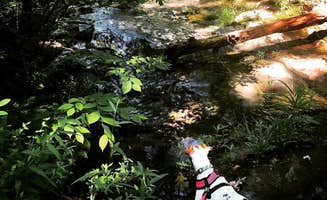
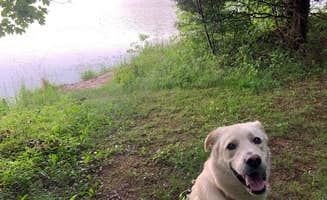
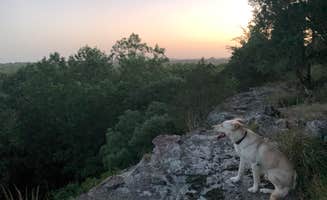
Hiking with pets: Little Grassy Lake Campground provides access to multiple pet-friendly trails where dogs can join their owners exploring the southern Illinois landscape. "The extensive trail system throughout Giant City State Park gives pet owners multiple options for exercise and exploration with their animals," notes one visitor. Water-loving dogs particularly enjoy the lake access, as another camper mentions, "Great views and lots of waterfront sites... Lots of boats and fishing."
Rock climbing: Turkey Bayou Campground offers free camping near several climbing areas in the Shawnee Forest. "For climbers, there is a ton of nearby trad and sport climbing. The main wall stays wet for a while so if it has recently rained you may need to find somewhere else," advises one reviewer. The primitive camping style works well for climbers who typically spend daylight hours at the crags.
Paddling: Water recreation options abound with several lakes in the region. "Little Grassy is a beautiful lake to explore!" shares one camper. Another visitor at Little Grassy Lake Campground adds, "The lake is too small for speedboats, and is great for fishing, canoeing & kayaking. There's also a beach, separate from the marina that's quite nice and secluded."
What campers like
Night sky viewing: The rural setting creates excellent stargazing conditions. "Due to the somewhat rural location you could not beat the view of the stars at night," notes a camper at Giant City State Park Campground. Another visitor at Trail of Tears mentions, "Great dark sky viewing" among their favorite aspects of camping in the region.
Seasonal beauty: Fall and spring camping provides the most comfortable temperatures. "Campground here has both electric sites for campers and primitive sites for tents. All are shaded and quiet," reports one camper, who adds this area is "perfect for spring or autumn." Spring brings wildflowers while autumn delivers colorful foliage throughout the forest.
Wildlife encounters: The region supports diverse wildlife viewable from campsites. "We loved the clean beach area. Perfect spot for kayaking... We saw herons, geese, turtles, and deer," shares one camper at Crab Orchard Lake Campground. Fireflies create special summer evening displays as one visitor notes, "Once darkness hit the fireflies in the forest were magnificent!"
What you should know
Weather considerations: The region experiences distinct seasons with summer humidity and occasional winter ice. "We stayed during the winter while visiting my brother who was in college nearby. Even in the winter the sites were quite clear and clean," reports one camper about Giant City. Spring and fall generally offer the mildest conditions.
Reservation requirements: Many campgrounds fill quickly during peak seasons. "Campground is now under the egis of recreation.gov & reservations through them are a must," warns one camper. Another visitor at Ferne Clyffe State Park reports, "You take an open spot and pay the park ranger or host when they come around."
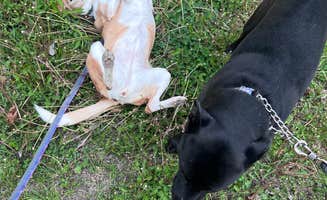
Pet restrictions: While most campgrounds accommodate pets, rules vary by location. "Ferne Clyffe State Park permits pets at their facilities with similar leash policies," states one source. Many trails also welcome leashed pets, though some conservation areas have stricter regulations.
Tips for camping with families
Kid-friendly trails: Several easy hiking options work well for families. "The Giant City Nature Trail and Devils Standtable were really pretty, easy strolls," recommends one visitor. Another camper at Turkey Ridge Campground suggests, "Rebman trail is good for anyone including little kids."
Educational opportunities: Look for ranger programs throughout the season. "Friendly staff sometimes host little educational presentations for kids," notes one camper at Crab Orchard. Another visitor mentions, "Visitor Center has small museum (no admission fee) on the Trail of Tears Native American tribal migration."
Swimming options: Multiple campgrounds offer designated swimming areas. "We loved the clean beach area," reports one Crab Orchard visitor. Another camper notes, "There's also a beach, separate from the marina that's quite nice and secluded."
Tips from RVers
Site selection: Many campgrounds offer varying hookup levels and site configurations. "Sites that back to the river very close to each other. We stepped out our door onto the neighbors stinky slinky. Insufficient space to deploy awning," cautions one RVer at Trail of Tears. Another camper at Shawnee Forest Campground advises, "Our site was not level and with all the rain we had, there were water puddles at the steps."
Hookup access: Pay attention to utilities placement when selecting sites. "Electrical utility connection is on passenger side of the campsite #6," notes one camper. Another adds, "There are two sewer hookups, which was nice. The water pressure was good around 50 psi."
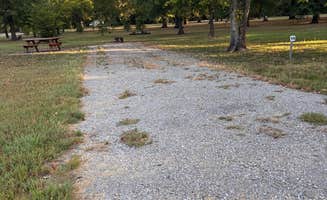
Road conditions: Some campground access roads present challenges for larger rigs. A reviewer at Giant City reports, "The gravel roads are slightly narrow with some trees but we did not have any issues getting to site 21." Consider smaller rigs for more primitive pet friendly camping near Cobden, Illinois.














 Guide
Guide


