Cabin campsites near Bridgeport, Connecticut range from basic shelters to more rustic accommodations within an hour's drive of the city. The Long Island Sound coastal area typically sees summer temperatures averaging 75-85°F during camping season with moderate humidity. Most cabin facilities in this region open from late April through mid-October with peak season reservations filling 2-3 months in advance.
What to do
Trail exploration: 7-mile lake circuits. At Blydenburgh County Park, visitors can navigate the full trail system around the central lake. "Great park with a nice 7 mile loop around the lake with decent fishing. Lots of horses and dogs on the trail," notes Erik R. The well-maintained paths accommodate various skill levels.
Beach access: North Shore experiences. Wildwood State Park Campground offers distinctive coastal terrain compared to southern Long Island beaches. "The North Shore experience with high bluffs, sandy calm beaches along the Long Island Sound, and views of CT across the water," describes Amber A. The beach requires water shoes due to rocky terrain.
Fruit picking: Seasonal harvests. Cabin campers can combine outdoor stays with agricultural tourism. "There are lots of stores nearby as well as orchards to pick your own fruits. I stayed there one weekend and went to Splish Splash waterpark that's not far away," shares Giselle P. about Wildwood State Park. Many orchards operate from August through early October.
What campers like
Platform tent sites: Elevated dry camping. Beaver Pond Campground offers raised wooden platforms that keep tent campers off wet ground. "Many of the camping options were on platforms which is especially nice if it recently rained or if you are expecting rain during your stay," reports Ethan K. Platforms measure approximately 10' x 12' with level surfaces for secure tent setup.
Shelter options: Year-round availability. Ward Pound Ridge Reservation maintains lean-to shelters with both exterior fire rings and interior fireplaces. "The shelters are great for people who want to camp and not have to worry about unplanned weather," notes Ethan K. Paul R. adds, "All of the shelters have fire pits and some have interior fireplaces. They have many sites and are open all year round."
Fishing access: Lake and pond fishing. Multiple reservoir and lake systems throughout the region support fishing activities. "Our site is a trailer site, it's perfect for the trusty old pop-up, and feels nice and roomy," says Steve W. about Beaver Pond. Another camper at Fahnestock noted that "there is another lake and two ponds that our neighbor campers said were great for catching panfish - one fisherman said he had caught several bass weighing over 3 pounds."
What you should know
Reservation requirements: Green key programs. Suffolk County parks like Cathedral Pines County Park utilize resident discount systems. "Usually every site (I think $14 a night for green key members) has a decent fire pit/grill," explains Connor M. For non-residents, Maria P. notes, "Worth buying green key card for resident access. $200 but you'd spend that 4 nights regardless."
Site variations: Research needed. Campgrounds often feature drastically different site conditions within the same property. Justin P. found at Kettletown that "Site 32 and the upper loop was not great though. The sites were super close together and the boundary lines were unclear, so my neighbors ended up using my fire ring to secure their tent." At Clarence Fahnestock State Park, Jess M. advises "the campsite (#040) was private, but was located next to the Nature Center and a water spigot, so it was not a super quiet spot."
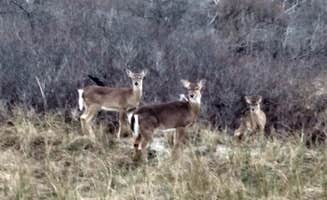
Wildlife considerations: Food storage essential. Several area campgrounds report active wildlife. At Cathedral Pines, "Be sure to lock food away as the raccoons are pretty invasive," warns Connor M. Similarly, Steve W. cautions Beaver Pond visitors to be mindful that "the wildlife do roam around your campsite so be mindful of putting food and garbage away before sleeping."
Tips for camping with families
Playground proximity: Activity access. Some campgrounds feature dedicated play areas. "It has a huge land of campsite that the kids can run around until their energy out for the night," Jennifer H. shares about Kettletown State Park. At Hammonasset, one reviewer noted "you can ride your bike from your site to the playground, store, beach, local ice cream shop, coffee shop, or our family favorite, meig's point nature center."
Nature centers: Educational opportunities. Several parks maintain educational facilities with programming. Tiffany T. calls Meig's Point Nature Center at Hammonasset "our family favorite." At Blydenburgh County Park, Chris S. notes "Trails were awesome. Row boat for fishing was great. Not a party or for party site as alcohol is not allowed."
Beach camping: Seasonal considerations. Family beach access varies significantly by season. "The beach is closed after Labor Day to the public, but open to people staying at the campsite. Clean and beautiful," reports Courtney D. about Fahnestock's lake beach. Many campgrounds enforce strict regulations around water access based on seasonal testing.
Tips from RVers
Electric-only sites: Resource management. Most RV sites in the region offer limited hookups. Jason B. notes at Hammonasset, "Most sites don't have hook ups so you have to run off battery and water storage tanks if you have a RV." Planning for limited power resources requires careful management of water and electrical systems.
Pull-through availability: Easiest access. Some parks offer drive-through sites for easier parking. "RV pull through sites were fantastic. It was a great campground for maiden voyage in new rig," shares Lori R. about her experience at Beaver Pond Campground. First-time RV users often find these sites reduce setup stress.
Campground layouts: RV-specific areas. Many campgrounds separate RVs from tent camping sections. At Wildwood, Michael G. found "camper side review...sites had zero privacy and were all pull through. There was water, electric and sewer hookups at each site, but this was an expensive place to 'camp'." Understanding designated areas helps set appropriate expectations for the camping experience.







 Guide
Guide


