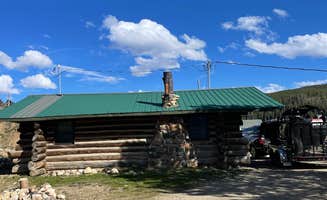
Sylvan Lake State Park and surrounding White River National Forest areas offer cabin and yurt accommodations at 8,500 feet elevation. These lodging options provide convenient access to the 42-acre mountain lake and various hiking trails. The park's facilities include comfortable sleeping arrangements in both cabins and yurts, with nearby amenities such as picnic tables and designated fire areas. Visitors can enjoy year-round activities including fishing for trout, hiking alpine trails, snowshoeing, and cross-country skiing. Weather conditions can change rapidly in this high-elevation environment, requiring proper preparation even during summer months.
What to do
Hiking Missouri Lakes Trail: Access this popular trail from Gold Park Campground, which serves as an excellent base camp for day hikes. "Outstanding camping experience. Small campground on the river with plenty of trees for relaxing in nature. Stay here and you'll be ~1 mile from the start of the Missouri Lakes hike. One of CO's best," reports one visitor. The trailhead leads to multiple alpine lakes surrounded by mountain peaks.
Mountain biking on local trails: The networks of trails surrounding Peak One Campground offer excellent mountain biking opportunities. "Convenient to town and all that Frisco/Dillon has to offer, but also right on the perimeter trail (6-mile dirt) and also the Dillon Reservoir loop (18-mile paved)," notes one camper. Most trails are accessible from May through September, weather permitting.
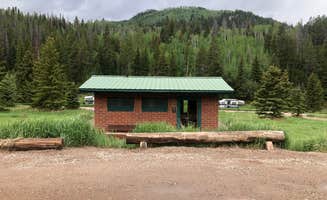
Winter recreation: Several campgrounds offer access to snowshoeing and cross-country ski trails during winter months. Turquoise Lake primitive camping areas remain accessible when conditions allow. "We camped right on the lake next to the boat ramp (no motorized boats allowed) and the bathhouse. At 8,500 ft the weather can change fast so be prepared especially with rain gear and warm close," advises one visitor.
What campers like
Lakeside camping access: Baby Doe Campground provides direct access to Turquoise Lake for fishing, paddling, and swimming. "Gorgeous campground with a few extra mosquitos, but not unusual for waterfront camping. Turquoise Lake is beautiful with fishing, boating, and hiking available," explains one reviewer. Most lake-access sites fill quickly, especially on summer weekends.
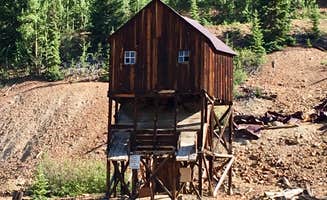
Historical significance: The region's mining heritage adds educational value to camping trips. Camp Hale Memorial offers unique historical context as a former military training facility. "The history of the valley is fascinating and my family would love to come back and explore some more," shares one visitor. Historical markers and ruins can be found throughout the area.
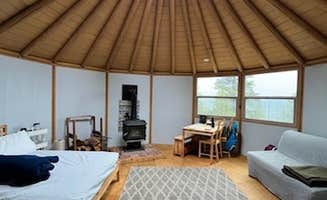
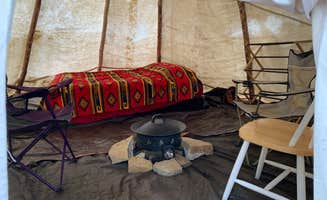
Yurt camping White River National Forest options: For those seeking rustic comfort without a full cabin, Sawatch Base Camp provides yurt accommodations with essential amenities. "The yurt itself was not only cozy and well-equipped but also nestled in a picturesque spot that felt like a private slice of heaven," reports one guest. These units typically include woodstoves, beds, and cooking facilities.
What you should know
Limited cell service: Most campgrounds in the White River National Forest have no reliable cell coverage. "There is no cell service (which is great), and the sites were easy and spaced pretty well apart," notes a camper at Gold Park Campground. Campers should download maps and information before arrival.
High elevation considerations: Camping at 8,500-10,200 feet requires preparation for altitude effects. A Baby Doe Campground visitor advises, "10,200 feet up in the Rockies, big sites, clear Alpine lake full of trout. Be sure to bring warm clothes for nights because it gets chilly at night." Temperature swings of 30-40 degrees between day and night are common.
Campsite selection timing: Popular campgrounds fill months in advance. "Book in advance, sites get locked in 6 months in advance, for good reason!" emphasizes one Baby Doe camper. First-come dispersed sites often fill by Thursday afternoon in summer months.
Tips for camping with families
Creek-side options: Halfmoon Campground offers sites with natural water features that entertain children. "Notch Mountain Creek runs straight through the grounds and is a mosquito haven. Bring bug spray!!" warns one visitor. These sites provide natural play spaces but require close supervision near water.
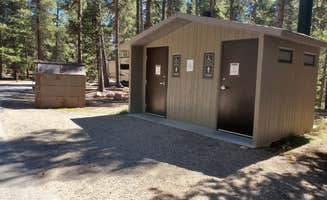
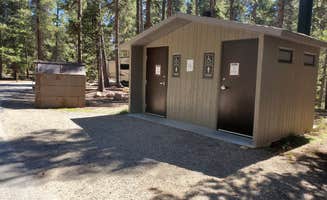
Established campgrounds with amenities: For families needing reliable facilities, Peak One Campground offers essential services. "Peak One has all the amenities you need - water, (really) nice bathrooms with running water, and a fire pit with a picnic table. A simple campground that would be great for kids, Peak One is safe, comfortable, and a great family spot," shares a reviewer.
Wildlife viewing opportunities: Several camping areas offer good chances to spot deer, elk, and smaller mammals. "We were able to hike along the creek and sit on the boulders and watch the fly fisherman and then hike up the hill on the other side of this campsite. Lots to explore to keep the kids busy," notes a Gold Park visitor.
Tips from RVers
Site size limitations: Many Forest Service campgrounds accommodate smaller RVs but have limitations. A Halfmoon Campground visitor cautions, "The areas to park are fairly small, one or maybe two cars but this is definitely not an area you want to bring a big RV or trailer." Most sites have length restrictions under 30 feet.
Road condition awareness: Access roads to several campgrounds require caution with larger vehicles. "The road to get out here can be rough in bad weather but low clearance is fine to get out here. Winter excursions are probably a bit tougher and would require an all wheel drive," notes one camper about forest access roads.
Dispersed camping options: For self-contained RVs, Turquoise Lake Primitive Camping offers more flexibility. "Great neighbors nearby, very calm and quiet seniors. A little too crowded for my taste though. There are about a dozen campers in this meadow and no kids in the group. Ah, peace and quiet," shares one RVer. These areas lack facilities but offer more spacious sites.











 Legend


