Dispersed camping near Johnstown, Colorado provides primitive sites within an hour's drive. The area sits at the intersection of the Colorado Front Range and the eastern plains, creating a varied landscape with elevation changes from 5,000 to 9,000 feet. Most dispersed sites require 4-wheel drive vehicles to access secluded spots, especially in the Nederland and Allenspark areas where road conditions deteriorate quickly after rainfall.
What to do
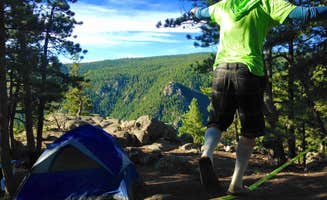
Hike to panoramic viewpoints: At Backcountry Campground — Horsetooth Mountain Open Space, trails lead to exceptional views. "This backcountry site is a hidden gem just off of the commonly used Horsetooth Rock trail. Awesome panoramic views and plenty of wildlife," notes Isabelle K. The main trail is heavily used during daytime hours but becomes remarkably quiet at night.
Explore creek systems: The small streams throughout the region offer natural play areas for children and dogs. At Gordon Gulch Dispersed Area, campsites near water provide natural white noise. "Incredible views. I spent multiple days at this site due to its remote beauty. Campsites far apart, and it was quiet other than the occasional ATV. Lots of chipmunks and hummingbirds due to the many wild flowers," shares Dian G.
Summit preparation: Backcountry sites serve as excellent basecamps for technical climbs. Several campers use these sites to prepare for summit attempts of nearby 14ers, with short night stays before early morning starts. Some sites close to higher trailheads offer altitude acclimation benefits before more challenging routes.
What campers like
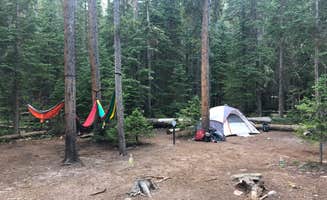
Secluded sites with natural barriers: At Allenspark Dispersed Camp Spot, creek noise masks sounds from neighboring sites. "Initially, the campgrounds were hard to find. Keep driving down Ski road until you find a fork in the road, and from there onwards are the campsites. Good whitenoise from the creek," reports Kevin F.
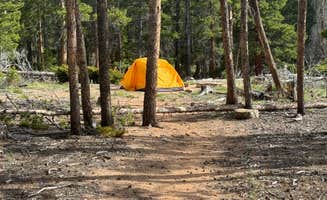
Short backpacking experiences: For beginning backpackers, some tent sites near Johnstown offer valuable practice without high commitment. "This would be a perfect first backpacking trip for beginners! From the parking lot, it's only about a mile and a half. The site is off the main trail and is secluded enough so you don't see hikers or bikers," explains Miranda K. about Horsetooth Mountain's backcountry sites.
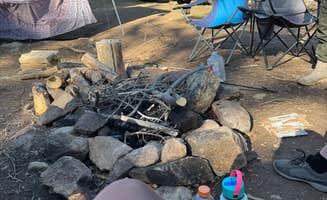
Water-adjacent camping: Several locations provide natural water features that enhance tent camping experiences. "We had a great night here! Spacious site with a fire ring. Easy time finding, just follow all the arrows when there is a fork in the road," notes Alli L. at Allenspark Dispersed Camp Spot where creek access is common.
What you should know
Seasonal closures affect access: Winter conditions may close roads to higher elevation sites without notice. Deep snow at higher elevations can remain well into June. Lower elevation sites often remain accessible year-round with proper vehicles.
Bear activity increases in summer: Multiple reports indicate bears actively seeking food from campsites during peak season. "There weren't many people there, despite it being a weekend in June when I visited. No cell service at my site, just sporadic on the road in," notes Caroline E.
Limited cell service: Most dispersed sites have no cellular reception. Dream Canyon Campsites sits in a reception dead zone. "The coordinates on Dyrt are a little off from the actual location but if you drive down roads that lead toward views of the canyon, you'll get there. The road passes through lots of private property, which can trick you into thinking you're driving down the wrong road," advises Raymond H.
4x4 access often required: Many sites require high-clearance vehicles to reach. The roads deteriorate quickly after rain events, creating deep ruts and washouts that make access difficult for passenger cars.
Tips for camping with families
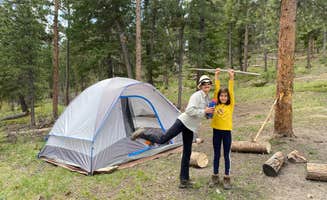
Start with established sites: First-time visitors with children should begin with more developed areas before trying remote sites. "This backcountry site would be a perfect base for exploring Horsetooth rock/Horsetooth falls! There's a wooden table about 50 yards from where you set up your tent so no need to bring chairs," recommends Miranda K.
Select sites with natural boundaries: Longs Peak Campground provides more structured camping with safety features for children. "The spaces are small but accommodate an RV or a single tent. Bear boxes and toilets close to everything," notes Neal C. The defined spaces help keep children within sight.
Prepare for temperature swings: Mountain elevations experience dramatic temperature changes between day and night, often dropping 30-40 degrees after sunset. Pack additional layers for children who may not recognize cold symptoms quickly.
Wildlife awareness: Teaching children proper food storage prevents animal encounters. One family reported chipmunks stealing food within minutes of setting up camp, creating both entertainment and educational opportunities.
Tips from RVers
Site selection for trailers: Many dispersed areas have limited turning radius for larger rigs. "Decent drive and not hard to find. This is not meant for travel trailers, pop ups, or anything except texts," cautions Kelly L. about Allenspark Dispersed Camping areas where tight roads and overhanging branches create hazards.
Boat-in alternatives: For RV owners with boats, Boat In Sites — Horsetooth Reservoir offers unique camping experiences. "We took up 3 spots for a large family. It was the best time we had all in 2020 during the pandemic. There was a toilet of sorts, but due to the pandemic and it being boat-in spots, was not well maintained," reports Morgan L.
Park then tent camp: Many RV owners use established campgrounds as base camps, then tent camp at dispersed sites for overnight experiences while maintaining their main setup at developed facilities with hookups.




 Traveler


