Rustic camping near Thousand Palms, California offers extensive public lands for self-sufficient outdoor stays in diverse desert environments. The region sits at the edge of the Colorado Desert, with elevations ranging from 100 to 1,000 feet across BLM lands. Most dispersed sites require campers to be fully self-contained as facilities are extremely limited throughout the area.
What to do
Ladder Canyon hiking: Near Painted Canyon, explore unique slot canyons with rope-assisted climbing sections. "Stunning canyons to explore! They are marked and there's also pit toilets halfway through the main road to turnaround point. Hummingbirds came right up to my face!" notes Stephanie F.
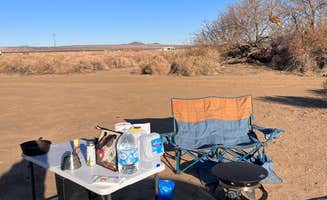
Off-road exploring: The expansive dry lake bed at North Joshua Tree provides open terrain for responsible off-road activities. "The space is huge and flat. It's just plain land so there aren't any places for you to dump anything or get water and no stores around. The view is great and it was peaceful out here," reports Jocelynn G.
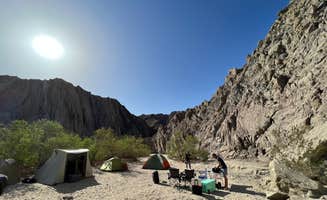
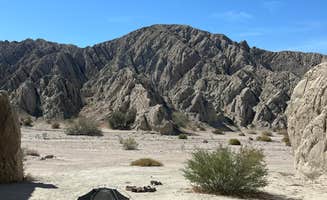
Desert geology tours: Many camping areas feature distinctive geological formations. Clinton H. says of Painted Canyon: "Amazing area! So many places to camp. Road in is unpaved but not too bumpy. Once you get to the canyon area it's deeper sand, so 4WD is advised."
What campers like
Desert solitude: Many primitive sites around Thousand Palms provide isolation not found in developed campgrounds. At South Ridge Yellow Post Sites, Tony B. appreciated "a campsite this private on a weekend in southern California" where "elevation is high enough that temperatures were very enjoyable (mid 80's)."
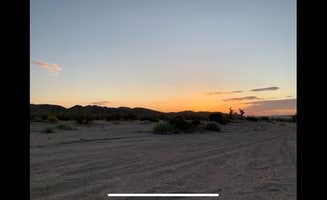
Night sky viewing: The lack of light pollution makes primitive camping ideal for astronomy. Mo H. found Painted Canyon offered "Absolutely quiet and an amazing starry sky. Ideal for tents."
Wildlife encounters: Desert camping provides opportunities to observe native species. At Mecca Hills Wilderness, a camper mentioned, "We saw old campfire pits all over and we pulled off on a dirt road that didn't need 4WD, found a man made rock pit and setup shop. It was around a mountain so we felt totally isolated."
What you should know
Vehicle requirements vary: Many primitive sites require appropriate vehicles. At Joshua Tree South - BLM Dispersed, Brett S. warns: "We had a few different campers within 50 yards and saw 3 of them get bogged in 3 different spots - two were proper 4WD's and one took two tow trucks to get it out so beware and scope out your drive off the main trail first."
Weather extremes: Seasonal planning is essential. In summer, temperatures regularly exceed 110°F during the day and drop significantly at night. Wind conditions can change rapidly, as one camper at Joshua Tree South noted: "The wind was quite strong so make sure you have good pegs and sandbags."
Water sources: No reliable water exists at most primitive sites. Bring 1-2 gallons per person per day minimum. Nearest water sources may be 30+ minutes away at gas stations or visitor centers.
Tips for camping with families
Site selection: Choose locations with natural barriers when possible. Michelle T. recommends Joshua Tree Lake Dispersed Camping: "Within 15 min. or so of JTNP, farther depending on where in the park you're going/coming from... The sites are dispersed and marked with small signs."
Timing considerations: Plan desert camping with children during milder seasons. Nights drop below 40°F in winter while daytime temperatures remain comfortable. Spring brings wildflower blooms that children enjoy.
Safety preparation: Cellular reception varies significantly across the region. Gillian C. notes about Joshua Tree Lake Dispersed Camping: "Free camping just outside Joshua Tree. No amenities or designated campsites. Large open area where you can camp wherever you'd like. Previous campers have built fire pits from the rocks laying around."
Tips from RVers
Level parking: Identify firm ground to prevent sinking. At BLM Dispersed Camping at Joshua Tree, Jess L. shares: "Easy to find and you have SO much space! There were a bunch of camper vans parked but there's so much space so you don't feel crammed and still have plenty of privacy!"
Generator etiquette: Be mindful of noise in the otherwise quiet desert. Run generators only during midday hours (10am-7pm) when most campers are active or away from camp.
Access routes: Some primitive camping requires advance planning. Michaela H. advises about North Joshua Tree: "The most paved way in is to take Sunfair to Broadway. Sites are technically in and next to the Coyote Lake bed... There's a large compacted area to the left and right once you pass the solar farm."











 Traveler


