

D
Dan V. Guide
Guide
GuideSequoia Resort & RV Park
Nice and Quiet
Amazing park! Very private and our 2 cats loved it here. The host was so friendly and gave us great advices on visiting the Sequoia and Kings Canyon national parks.
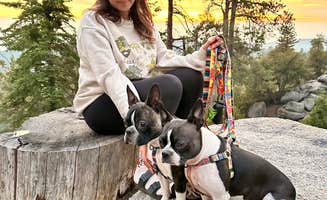
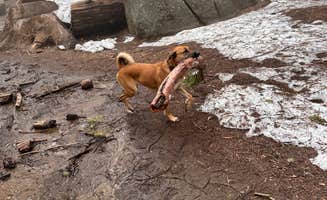
Lodgepole Campground accommodates pets at its tent, RV, and cabin sites throughout the main camping seasons from April to late November. Pets must be leashed at all times within Sequoia and Kings Canyon National Parks, with a standard 6-foot leash requirement enforced by park rangers. Each campsite contains a bear-proof food storage locker where pet food must be secured when not in use. Nearby Azalea Campground maintains year-round access with similar pet policies, while Potwisha Campground provides additional options with drive-in, hike-in, and walk-in sites that welcome leashed pets. Multiple campgrounds in the area feature picnic tables and fire rings alongside their pet-friendly facilities. Campsites with freshly raked grounds and clean facilities provide comfortable accommodations for both pets and their owners.
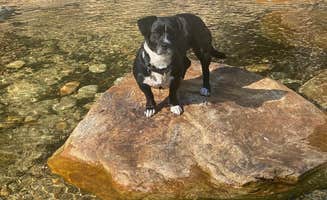
Trails accessible from Upper Stony Creek Campground offer excellent walking opportunities for leashed dogs, with multiple visitors reporting regular wildlife sightings including deer that often venture near campsites. The sound of flowing water from Stony Creek creates a peaceful camping atmosphere while providing pets with nearby water access for cooling off during warm weather. All pet waste must be properly disposed of in trash receptacles located throughout the campgrounds. Bear safety is an important consideration when camping with pets in this region, as proper food storage prevents unwanted wildlife encounters. Sequoia National Forest regulations permit dogs on most trails when leashed, though regulations differ within the national parks where pets are restricted to developed areas only. Stony Creek Village, located a short distance from several campgrounds, provides emergency supplies and basic necessities for campers with pets.
$32 / night
"Amazing views all around the campgrounds. If you want to get of away from the city this is the place to be...Love it."
"We went to the Lodgepole Campground-Sequoia and Kings Canyon National Park and stayed for 3 nights at Site: 130. Check-in Time is 12:00 PM and Check-out Time was also 12:00 PM."
$32 / night
"There were TONS of trails immediately accessible from most camp sites, and a short walk from the rest."
"Good trails to village and grants tree. Crystal springs campground adjacent has more trees, more shade. Foodie aside: Lodge across the road had market with chocolate milk for $1.60 per 2p."
$32 / night
"Far away from neighbors to feel privacy and great hikes in every direction that go up in the mountains. A lot of mule deer very close by as well."
"We were right next to the entrance of a hiking trail (#14) so there was a lot of foot traffic & cars early in the morning and throughout the day."
$36 - $75 / night
"Campsites are spread out nicely, access to bear boxes, dumpsters, and bathrooms are easy. There is 0 cell service at this site, I only had access to WiFi at Grant Welcome center, about 20 min away."
"Next to the lake and some great trails, an easy car ride to everything else. This was my first time in the Sequoia’s and we stayed for 4 days in mid-July. The weather was perfect!"
$32 - $80 / night
"Center point for touring sequoia and kings canyon national parks. Free shuttle to take you all over the park. Great stream running through campgrounds upper and lower sections."
"Waking up next to an amazing views of the formation of rocks are a plus! Went around June, so bring lots of water, pet friendly. Potable waters are provided."
$36 - $38 / night
"So I chose this one because it has a nice stream nearby, it's so nice to camp near water. It was sparsely crowded, very quiet."
"We were able to tuck our tent back by some shaded trees and directly behind our site was Stoney Creek. There were lots of areas to swim and wade which was helpful with the warm weather."
$32 - $60 / night
"Great location, centrally located for exploring both Kings Canyon and Sequoia National Parks. Nicely shaded spots and the higher elevation is nice for cooler nights during the hot summer months."
"We reserved two sites next to each other (sites 77 & 78) so we had plenty of space. I have to say this is a very busy campground because it is in a rather popular park (King’s Canyon NP)."
$36 - $75 / night
"Princess campground is a perfect location to enjoy both the Sequoia & Kings Canyon sides."
"There are nearly 100 sites in total, most suited for RVs & trailers, all for tents. There are sequoia stumps are spread throughout the entire campground and adjacent meadow."
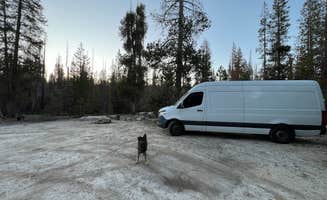
"Usually when a dispersed site is marked Big Rig Friendly, we'll find that there is a large paved or gravel area for us to pull into and setup before you get to dirt road or off-road sites."
"They are marked by stones or wood blocks and a small fire pit next to them."
$32 / night
"Wonderful mostly shaded spots next to the Kings river. Spaces next to the meadow are especially nice. Lots of bird watching opportunities. Amenities are the usual for a national park campground."
"Of all the places we took our kids on their first camping road trip (Grand Canyon, Yellowstone etc)it was right here in California that they found their favorite here at Kings; big trees ( and fallen giants"







 Guide
GuideAmazing park! Very private and our 2 cats loved it here. The host was so friendly and gave us great advices on visiting the Sequoia and Kings Canyon national parks.
 Guide
GuideAmazing views all around the campgrounds. If you want to get of away from the city this is the place to be...Love it.
Lodgepole Campground itself is located in the beautiful Sequoia and Kings Canyon National Parks in the central California region next to the amazing Sierra Nevada. Lodgepole is near the Kaweah River.
The Giant Sequoia Forest it's a thing of beauty and the famous General Sherman Tree - the world's largest tree is an incredible experience to see up close.
 Guide
GuideSuper convenient free camping between Sequoia and Kings Canyon national parks. A park ranger directed me here when all the campgrounds in the park were full. There are sites all along the road, but the first at the junction is great and big enough for a small RV. Also a quick walk to the Chicago Stump which is a must see.
 Scout
ScoutCenter point for touring sequoia and kings canyon national parks. Free shuttle to take you all over the park. Great stream running through campgrounds upper and lower sections. Great hikes from campground. Especially, Muir groves and lookouts, breathtaking views. We also hiked lost groves which was very special hiking through meadows and going across streams. Saw many deer groups. Clean campsites and especially restrooms. We got to see two female bears walking at a distance from campground. Wildlife management team came and made sure bear stayed in it's nature areas. fun to watch and learn how they track bears and keep visitors informed on how to store our items with smells inside metal bear boxes. we had a amazing family vacation in one the most beautiful places on earth. the sequoia groves had great signage and easy trails to walk.

 Traveler
We went to the Lodgepole Campground-Sequoia and Kings Canyon National Park and stayed for 3 nights at Site: 130. Check-in Time is 12:00 PM and Check-out Time was also 12:00 PM.
This was a great site especially if you have kids with you. We had a 4 and 6 year old with us and the bathroom was super close to the site. The site was also close to the creek and little pools formed to dip your feet in... water was cold at the end of August! Loved the fire pit and the table and our camping neighbors were super friendly.
The site was also walking distance to the shuttles that takes you to the various areas of the majestic and beautiful national park: Morro Rock, General Sherman Tree, Museum center, etc. We even saw bears while we were in the shuttle.
The kids loved seeing deers, chipmunks and the bears from inside the shuttle. There was a bear's bathing pool that I wanted to check out but we didn't get to... NEXT TIME FOR SURE 😊
GuideGreat location to Sequoia and Kings Canyon National Park about 30 mintues to giant Sequoias! The property was wonderful, very quiet, and peaceful. There are 2 lakes on the property & access to another upper mountain ridge (20-30ish mins away) with some great views of the valley, and you can even camp up there (tent/ van/small RV). We stayed at lower main camp with 30 ft RV, and had plenty of room. Spencer was very accommodating and made sure we had everything we need- he even offered getting stuff for us in town! The sites have water and sewer hookups & when we stayed he had one spot with full electric but he is working on full hookups for all the sites. We pretty much had the place to ourselves or 1 other camper here and there. The community bathrooms and showers are very nice and clean! & access to laundry was a nice plus! Oh there are people hang gliding and paragliding here which was super cool to watch both at take off (upper spot) and landing (main camp). Verizon was excellent & wifi is available! If you are looking for affordable camping 30 minutes to giant Sequoias, low-key peaceful spot with plenty of room & nice people (hosts and hang-gliding community) look no further. We would definitely stay here again!
GuideThis would be a great place if it was clean. Lots of junky trailers with junk & garbage. No dog park area, no doggie bags. On positive side, staff is friendly & sites are roomy.
GuideMy husband and I spent two nights there while traveling to the national parks. It was a bit dirty and packed in. We travel with two dogs, so a dog park is important to us. Their dog park needs a lot of work, it wasn't very clean or well kept.
ScoutNice drive thru RV’s sites. Friendly Staff and good staff especially Jennifer. Very nice dog park, not a lot grass but good running area for dogs.
Location less than 30minutes from the National Forest entrance. We got up early on the road @645 am to the park was back by 11am. Only went as far General Sherman.
Only negative point was pool was closed for cleaning. Just bad timing
Sequoia and Kings Canyon National Parks stretch across the Sierra Nevada mountains at elevations ranging from 1,300 to 14,000 feet. This dramatic range creates distinct temperature zones, with upper campgrounds experiencing temperatures 10-15 degrees cooler than valley locations. Most campgrounds in this region operate from May through September, though select sites like Azalea Campground maintain year-round access with winter camping options.
Hiking from camp to waterfalls: Upper Stony Creek Campground offers direct trail access to waterfalls. "The hike to the waterfall is easy for kids and the trailhead is in the campground. Campground is a short drive to many other trailheads in the park," notes Elise P.
Explore giant sequoia groves: Azalea Campground provides easy access to General Grant Tree and nearby sequoia groves. "There is a nice trail from the campground that leads to the General Grant Sequoia Grove, and a really nice trail through the Sequoia Grove," explains Annie C.
Wildlife viewing opportunities: Many campgrounds offer chances to see local wildlife. "We saw multiple animals everyday. Nightly campground visitors are deer and sometimes bear in the summer," reports Elise P. from Upper Stony Creek.
Creek swimming spots: Upper Stony Creek Campground features natural granite water features. "The granite slides and pools don't have a clear path to get to. You kind of have to slip through other sites farther towards the hike-in sites to get to, which was uncomfortable," explains Veronica S.
Riverfront camping: Sentinel Campground offers sites along the Kings River. "Huge campsites, ours was right on the river. Gorgeous place! Surrounded by trees and wildflowers," Katherine M. reports.
Free dispersed camping options: For budget-conscious travelers, Forest Road 13s09 provides free camping outside the parks. "Easy to find, quiet, peaceful spot! Only one other camper but still so much room to spare," says Mayra R.
Historic sequoia stumps: Princess Campground preserves remnants of old-growth logging. "Pitch your tent in a beautiful grove of sequoias - including the massive stumps left over from fallen giants - on the edge of a meadow filled with lupine, aspen, and a sweet little creek," shares Kate S.
Meadow walking trails: Princess Campground features a dedicated interpretive trail. "Awesome walking trail right outside of camp through a beautiful meadow," Patrick M. notes about this dog-friendly option near Sequoia National Forest.
Summer cooling options: Higher elevation campgrounds provide relief from valley heat. "The elevation also means it's 10-15 degrees cooler than other campgrounds," explains Alma L. from Lodgepole Campground.
Campsite privacy varies: Some campgrounds have closely spaced sites. "Campgrounds are tight, close quarters sites. Located directly off the main access road to Sequoia National Park, making it very loud and popular," Bryan R. warns about Potwisha.
Winter camping limitations: Most campgrounds close seasonally, but Azalea remains open. "We decided to come in the off season in February and we got lucky with weather. Low tonight is only supposed to be in the upper 30s. Very quiet but some sledding and hiking activity close by," reports Lydia H.
Bear safety requirements: All campgrounds enforce strict food storage rules. "Bear safety is an important consideration when camping with pets in this region, as proper food storage prevents unwanted wildlife encounters," a camper noted.
Kid-friendly activities: Dorst Creek Campground offers accessible hiking for children. "Muir Grove is a hidden gem of a hike to a serene grove of sequoias, accessed at the end of the campground near the group sites. Fairly easy 4 miles round trip, hiked with 6 children, youngest hiker is 6; well worth it!" shares Leslie M.
Water play opportunities: Many families enjoy creek access at their campsite. "We had a site near the road but noise was nonexistent. The creek creates a peaceful camping atmosphere while providing water access for cooling off during warm weather," Jennifer G. notes about Upper Stony Creek.
Ranger programs: Several campgrounds offer educational activities. "The ranger said that unlike Yosemite, Sequoia is packed with daytrippers. That proved correct!" Alma L. mentions from Lodgepole.
Dog-friendly trail options: While national parks restrict dogs to developed areas, adjacent forest lands welcome leashed pets. "The best part for us was having a campground that is welcoming to dogs! The National Forest campgrounds are the best when it comes to pups!" explains Allyson K. about Princess Campground.
Generator restrictions: Many campgrounds limit or prohibit generator use. "Generator hours are thankfully enforced," notes Alma L. from Lodgepole Campground regarding noise limitations.
Site leveling challenges: Sunset Campground presents terrain difficulties. "Sites are pretty close together, amenities are just ok. No sign showing entrance," warns Mo V. about this dog-friendly campground in Kings Canyon.
Dump station availability: Select campgrounds offer waste disposal. "Has sewer dump adjacent," notes Mark M. about Potwisha Campground, which accommodates pets at its tent and RV sites.
Limited solar exposure: Dense forest canopies affect power generation. "If you are reliant on solar power as I am, this is not a good campground as the trees are not only numerous but tall so reliable sun available all day while you're away is non-existent," advises April H. about Sunset Campground.
Frequently Asked Questions
Where are the pet-friendly campgrounds in Sequoia and Kings Canyon?
Pets are allowed in developed campgrounds throughout Sequoia and Kings Canyon National Parks, including Lodgepole Campground and Potwisha Campground. Your pets must be kept on a leash no longer than 6 feet at all times and cannot be left unattended. Remember that while pets are welcome in campgrounds, they are restricted from trails, wilderness areas, and visitor centers. During peak seasons, campgrounds fill quickly, so reservations are recommended where available. Always clean up after your pet and be respectful of wildlife and other campers.
What are the differences between pet policies in Sequoia National Park versus Sequoia National Forest?
Sequoia National Park has stricter pet policies than Sequoia National Forest. In the national park, pets are only allowed in developed areas like campgrounds, picnic areas, and paved roads. They must be leashed at all times and cannot go on trails or in wilderness areas. In contrast, Sequoia National Forest is much more pet-friendly, allowing dogs on most trails and in dispersed camping areas. Cherry Gap OHV Staging Area in the national forest offers free camping where pets are welcome. Upper Stony Creek Campground in the forest also accommodates pets with fewer restrictions than park campgrounds. Always check current regulations before your trip, as policies can change seasonally.
Are dogs allowed in Sequoia and Kings Canyon National Parks?
Dogs are allowed in Sequoia and Kings Canyon National Parks, but with significant restrictions. They are permitted only in developed areas including campgrounds, picnic areas, paved roads, and parking lots. At Sentinel Campground in Kings Canyon and Dorst Creek Campground in Sequoia, pets must be leashed at all times with a maximum 6-foot leash. Dogs are not allowed on any trails, in wilderness areas, or inside buildings. These restrictions exist to protect wildlife, prevent conflicts with wild animals, and preserve the natural ecosystem. For more extensive hiking with your dog, consider the adjacent Sequoia National Forest, which has more pet-friendly policies.
What pet-friendly accommodations are available near Sequoia National Park?
Several pet-friendly RV parks and private campgrounds are available near Sequoia National Park. Sequoia RV Ranch is located just 6 miles from the park entrance and features a dedicated dog park area, clean facilities, and fire pits. Lemon Cove Village offers spacious RV sites with a nice dog park and is less than 30 minutes from the park entrance. Riverbend RV Park provides full hookups with large pull-through spots, a dog park, and beautiful riverside surroundings. For a more secluded option, Dunlap Canyon Retreat is about 30 minutes from the giant sequoias and offers a peaceful private setting where pets are welcome.
Keep Exploring