Point Reyes National Seashore tent campsites sit within a maritime Mediterranean climate zone with average temperatures between 45-65°F year-round. Unlike vehicle campgrounds, these backpacking sites experience frequent coastal fog that rolls in during summer months, creating unique microclimates throughout the seashore's 71,000 acres. Trails to campsites traverse varied terrain including coastal bluffs, forested ridges, and open meadows, requiring adequate preparation for changing weather conditions.
What to do
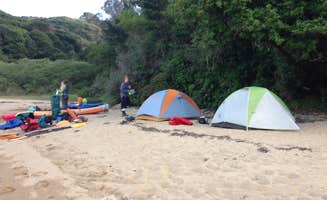
Beach exploration: Wildcat Campground offers direct access to miles of undeveloped coastline. "The beach to camp on is long so even if others are camping there you can have your own camp set up way far away. I recommend beach hopping your whole way up and slow down near weedy shores to look for jellies and sting rays," suggests Deanna K. at Tomales Bay.
Tidepooling: 30-minute walk from Coast Camp to exposed rocks during low tide. "The beach offers tidepools close by as well as a great place for beach fire (permit needed). There are two routes to hike in. I prefer the longer Coast Trail (about half a mile longer) rather than the fireroad for its scenic beauty," writes Valerie T. about Wildcat Campground.
Stargazing: Best at new moon phase when light pollution is minimal. "Very quiet and well worth the hike in. Very peaceful and well worth the hike in," notes Craig A. about watching the night sky from campsites.
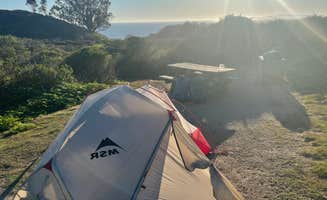
Multi-day hiking loops: Connect between tent sites using the park's trail system. "We stayed at site #12 and felt that it and #11 were the best ones there because they are surrounded by lush vegetation and have trees that provide shade and protection against the wind. It also had a good view of the gorgeous coastline!" explains Kim C. who stayed at Sky Campground.
What campers like
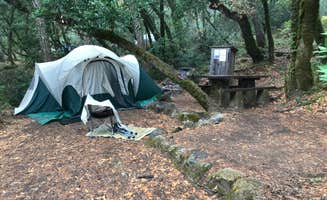
Seclusion at higher elevation sites: "Site 3 was relatively private, shady in the morning and evening. Site 2 was very pretty but shady. Site 10 is exposed to everyone with no privacy. Really nice to have toilets and potable water there," shares Emily A. about Glen Campground.
Wildlife encounters: Many campers report seeing deer, birds, and marine mammals. "I've seen deer in the seaside vernal pools, wild miniature ocean bunnies boxing in the morning sunshine, and a great white shark off the cliffs one fine day," notes Nikata L. about staying at Steep Ravine Campground.
Reduced light pollution: Areas away from urban centers provide exceptional night viewing. "The night had beautiful stars with no artificial light. No road noise," reports Erin S. about camping at Haypress Campground.
Ocean soundscape: The rhythm of waves creates natural sleeping ambiance. "Wonderful place! Clean toilet onsite. Good access to beach but protected from onshore wind. Can hear waves at night," shares John G. about Coast Campground.
What you should know
Wind exposure varies significantly: "Coast camp is a favorite get away. In the Point Reyes National Seashore it is in a valley that is minutes from the beach. I like the sites back in the valley as there is less wind or fog. That would be 13 and 14," advises MarinMaverick at Coast Campground.
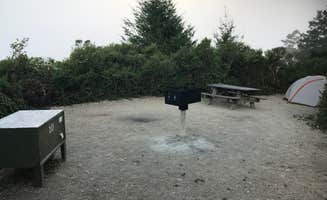
Mice problems: "One thing to be aware of with Wildcat Camp is the small field mice that can get into the food storage boxes. Bring some steel wool or a critter-proof container to keep food safe, even inside the locker," warns Michael I.
Seasonal access considerations: During winter months, trails may become muddy or impassable. "Some sites are dry and get some sun. 5-8 are more private than others, but 8 gets 0 sun. Mud/cold. Not fun," shares Jason R. about Glen Campground.
Early reservations required: Most sites book up 3-6 months in advance. "This is the most sought after Pt. Reyes sites. On the beach. A nice mid length hike. Privacy. The only catch is everybody likes it, so book early," notes J.D. E.
Tips for camping with families
Beginner-friendly options: "It was a 1.3 mile hike uphill so that was pretty rough. It was our first time going to a hike-in camp site. The site (003) was perfect. You couldn't see the next camper, very secluded, you could hear them, but it wasn't an issue at all," shares Lay Hooi V. about camping with children ages 8-13.
Protected beach access: "Fun baby backpacking trip with my husband. The hike to the campsite went by fast. Only 1.8 miles, not too bad on the elevation gain either. During the day it actually got pretty hot at our campsite (#1), lots of exposure probably around low 70s," describes Char A. at Coast Campground.
Morning activities: Schedule hikes before afternoon winds typically increase. "We did a morning hike and the trails were absolutely stunning. It was quite a ways to be able to see the ocean, so we didn't actually complete the hike but got very close," mentions Lay Hooi V.
Short test trips: "This was our first backpacking trip and we mostly wanted to test our gear. This was perfect for that. 5-mile hike in with some uphill in the last 1.5 miles that was challenging but not too hard," writes Emily A. about Haypress Campground.
Tips from RVers
Nearby alternatives: Since Point Reyes offers only tent campsites, RVers can find hookups at nearby locations. "A 5 mile hike from the Bear Valley Trailhead leading to a small campground with 12 sites. Potable water and vault toilets are available, with each site also having a picnic table, charcoal barbecues and bear boxes," explains Lori A.
Day-use options: Consider parking at designated trailheads for day hikes. "This is a park and carry campsite—of which you'll have to carry your gear up a couple sets of stairs. Most sites are near the road and you'll hear bicycles all night. Though, you can see the city shine in the distance," notes Karson M. about Bootjack Campground.
Bear Valley staging area: Large parking lot accommodates larger vehicles for day visits. "The hike in from Bear Valley is about 6.6 miles, although there are a ton of different ways to hike in from there, and you'll gain about 1,000 feet on this most direct route," explains Michael I.










 Legend


