Primitive camping near Mono City, California offers diverse options within Inyo National Forest and surrounding public lands. Situated at approximately 6,400 feet elevation, the area experiences dramatic seasonal changes with summer temperatures reaching the high 80s and winter dropping well below freezing. Sandy terrain characterizes many sites, creating challenges for tent campers during the Eastern Sierra's frequent wind events.
What to do
Hot springs soaking: 10 miles from Mono City, Travertine Hot Springs provides natural thermal pools with mountain views. "Stargazing from the hot springs was awesome!" reports Nick O. The springs require a short walk from designated camping areas, as "There are No Camping signs posted at the road and farther up toward the hot springs," notes Connie H.
Crater exploration: 4 miles south of town, several pullouts along Forest Service Road provide access to unique geological formations. According to Gustav H., visitors can "walk up the crater or hike down to the South Tufa area" from Mono Basin Dispersed Camp Site. The volcanic landscape creates dramatic contrasts with the lake views.
Backpacking: 12 miles northwest, access backcountry routes leading to alpine lakes and peaks. "2.5-3.0 mile hike in (depending where you park), gaining about 1000' of elevation. Ends at Green Lake with some phenomenal spots," writes Ron G. about the Green Lake area. This serves as an excellent first-time backpacking destination.
What campers like
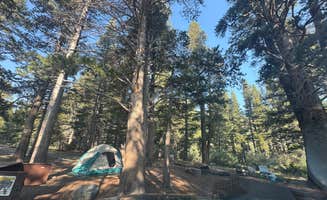
Creek-side relaxation: Campers appreciate sites along flowing water. At Mill Creek National Forest, visitors enjoy "Cool water, a nice breeze in the evening, water sounds day and night," according to DJ M. Another camper notes it's "nice shaded with creek sounds" though there's "no restroom" (Kristin C.).
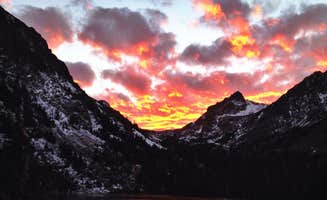
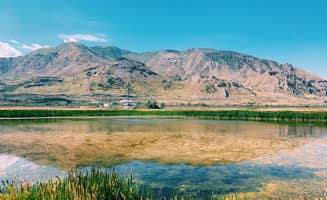
Mountain views: The panoramic landscapes rank highly among camper preferences. "Overlooking mono lake on one side and a mountain range on the other," Jaden J. describes the vistas from Mono Basin Dispersed Camp Site. The elevated position provides excellent perspectives of both water and mountain features.
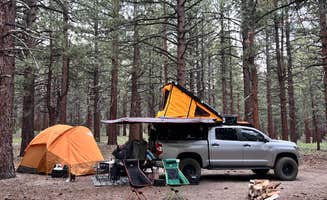
Solitude: The remote nature of dispersed sites creates peaceful camping experiences. At Inyo National Forest Dispersed Camping, Kylee M. reports, "We didn't see another person the entire time we were here! We saw a few fellow campers on our way in but felt really secluded when we found our spot." The extensive forest provides ample space between campsites.
What you should know
Road conditions vary seasonally: Many access roads close during winter months. "The road was still closed on June 5th," notes Sarah J. about Virginia Lake Rd. Boondocking. Snow can persist at higher elevations well into spring.
Fire restrictions: Most dispersed areas prohibit open fires. "The area is dry, dry, dry so caution is in order. We lit no fires, only the stove in the rig," reports Deacon J. about camping near Mono Lake. Fire restrictions change seasonally based on conditions.
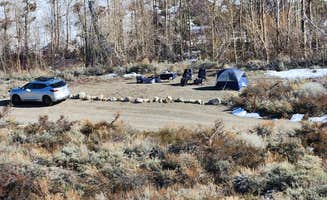
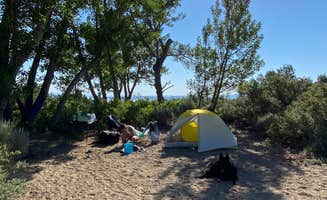
Limited facilities: Primitive camping means no developed amenities. At Highway 120 Roadside Dispersed Campsite, "It is sandy, so be cautious of that when you park," advises Annette E. Pack in all necessary supplies including water.
Wildlife awareness: Bear activity exists throughout the region. Virginia Lake Rd. camping offers "great campsites with bear lockers," according to Jordan B., who notes it's a "fantastic location for dogs" with "lots of space to walk."
Tips for camping with families
Choose accessible sites: Families benefit from campsites with minimal hiking requirements. "We were able to camp with our 19 foot trailer but I don't think I would recommend anything larger," advises Samantha T. about Travertine Hot Springs area.
Pack for variable weather: Temperature fluctuations require preparation. Val C. reports from Mono Basin Dispersed Camp Site: "It gets warm during the day, but there is a good breeze during the day. And an even better breeze at night."
Plan for bugs: Insect activity can affect family comfort. Ron G. notes that Green Lake "would get 5 stars if the bugs weren't so bad," recommending "bug spray/Thermacell and/or head nets will make your experience a lot more enjoyable."
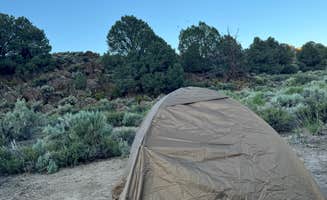
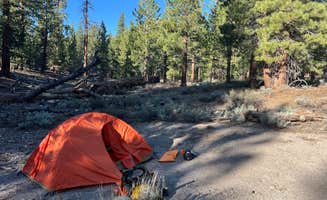
Consider ground conditions: Bodie Roadside Camp provides emergency options when other sites are full, but Emma M. explains they "tried camping in our tent but it was too windy in the valley so we ended up moving into our car." The sandy soil may not hold tent stakes effectively during wind.
Tips from RVers
Assess road suitability: Many forest roads have limitations for larger vehicles. "Some of the roads can get a bit rough, so make sure you know your vehicles limits," advises Alex P. about Inyo National Forest Dispersed Camping. Look for roads coded for appropriate vehicle access.
Cell service considerations: Communication availability varies by location and carrier. Mouni reports from Mono Lake South Dispersed: "I have ATT and had plenty of service here," while Gustav H. notes "Good Verizon service (4G/LTS, 4 bars)" at Mono Basin Dispersed Camp Site.
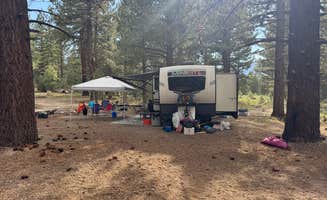
Prepare for self-containment: No hookups or dump facilities exist at dispersed sites. "We boondocked in Inyo National Forest just last weekend, September 27-29, and it felt like we had the place to ourselves," shares Thad & Savannah R., adding "There is no water on site that we found, but we knew that going in. Our rig was 58' long and we had no issues getting in or out."







 Guide


