Inyo National Forest spans over two million acres across California's Eastern Sierra, with elevations ranging from 3,900 to 14,500 feet. Dispersed camping sites near Mammoth Lakes offer temperatures that can drop to the 20s even in summer months, requiring proper insulation for tents and sleeping bags. Many areas permit pets with proper leashing and waste management protocols.
What to do
Trail access for hikers and dogs: At Sherwin Creek Campground, campers can access numerous trails within walking distance. "There are a variety of trails by the campground that can be used," notes Berton M. The campground provides an excellent base for hiking the Sherwin Lakes Trail with your pets.
Seasonal fishing: June Lake Campground provides excellent fishing opportunities from spring through fall. "Like to camp here in late October early November when I drive the eastern sierras to take a look at the fall colors. Good area for fishing and boating," reports MarinMaverick. The lake is stocked with trout, making it a reliable fishing spot.
Hot springs access: Multiple hot springs exist throughout the region with varying temperatures. Crab Cooker Hotsprings offers unique thermal bathing, though conditions vary. One visitor noted, "The crab cooker hot spring was a little confusing to find. Once you find it... it's TINY. 3 people comfortably. And HOT HOT HOTTTT!" Water temperatures can exceed safe soaking limits during certain periods.
Cold weather camping: Fall and winter camping options exist for prepared visitors. As Jill F. explains about Convict Lake Campground, "Went at the end of October with some snow! The lake is gorgeous when you can see the snow. Highly recommended for a late season trip. Bundle up though!!"
What campers like
Wildlife viewing opportunities: Many campgrounds throughout Inyo National Forest feature regular wildlife visitors. At Oh Ridge Campground, Corey M. reports, "We got to see many deer up close. Came to our site to eat." Maintaining proper food storage practices is essential when sharing space with local wildlife.
Accessibility to town services: Campers appreciate the balance between wilderness and convenience. Coldwater Campground sits a short drive from Mammoth Lakes. "It's walking distance to Lake Mary and several trail heads," writes Kathleen C. about nearby Coldwater. The proximity allows campers to resupply or visit restaurants while maintaining a wilderness experience.
Quieter alternative camping options: For those seeking less crowded experiences than established campgrounds, dispersed camping along Scenic Loop provides solitude. "This is a great campground away from main roads and amongst the trees of mammoth. This is also an OHV campground, so you'll see an occasional dirt bike or side by side cruising through," explains Rob L.
Lakeside camping options: Multiple lakeside campgrounds exist throughout the region. "Most of the sites here are literally on June Lake. So watching the lake in the evening and morning is a real treat," notes MarinMaverick. These sites often fill quickly during summer months.
What you should know
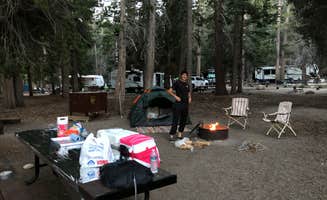
Bear safety requirements: All campgrounds in the region have strict bear management protocols. "Each campsite has a table, bear locker and BBQ. Theres also water available," reports Berton M. about Sherwin Creek. Food, trash, pet food, and scented items must be stored properly in bear-resistant containers at all times.
Limited cell service: Mobile connectivity varies dramatically throughout the region. "Cell service for ATT wasn't very strong so take some time away from the rest of the world. You can run into town for reception and wifi if needed," explains Jonathan G. about Twin Lakes. Service is typically strongest near developed areas like Mammoth Lakes.
Campground facilities variance: Bathroom facilities vary widely between established and dispersed camping areas. Coldwater Campground offers "large sites, modern restrooms spaced throughout the camp (two unisex doors, includes one sink with running cold water, a flush toilet, and metal mirror), water spigots near the latrines," according to Dave V.
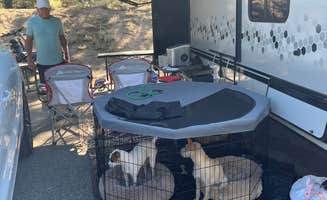
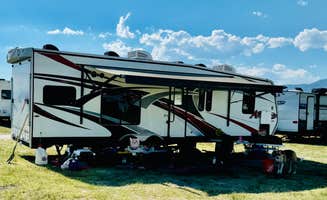
Weather fluctuations: The high elevation causes significant temperature swings between day and night. "We camped here with a group that had two trailers and a large RV. The year-round folks and the crowds tend to camp closer to the lake. They were strict about dogs being on their leashes," shares Rosie R.
Tips for camping with families
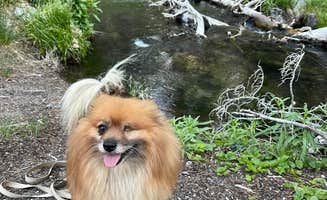
Pet-friendly hiking options: Many trails near Twin Lakes Campground accommodate leashed dogs on established paths. "There are lots of trails to hike, many leading to waterfalls or creeks. Lots of wildlife in the area; squirrels, ducks, deer, and even bears," notes Mary C. Parents should supervise children closely around wildlife.
Swimming areas for kids: Several campgrounds feature designated swimming areas appropriate for families. At June Lake, Hannah L. reports having "plenty of shade and trees," making it comfortable for all-day activities with children. Water temperatures remain cold even in summer months.
Educational opportunities: Inyo National Forest offers numerous learning experiences for children about local ecosystems. "We always see bald eagles here! Fishing is really good!" shares Taylor about Twin Lakes, providing wildlife viewing opportunities that can engage children.
Weather preparation: Families must prepare for dramatic temperature changes, especially at night. According to Jonathan G., "Remember that you're at elevation so it can get cold at night even in the summer." Packing appropriate clothing for children remains essential even during summer camping trips.
Tips from RVers
Generator hours: Established campgrounds have specific generator operation rules. At Mammoth Mountain RV Park & Campground, one camper noted, "This time we didn't have any RV's next to us running generators. This is my only complaint, that they mix up the tents with RV's." Understanding quiet hours helps maintain positive relationships with neighboring campers.
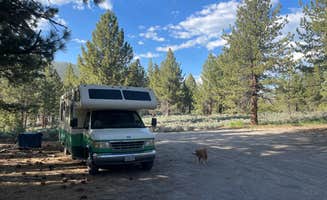
Dispersed options for larger rigs: Scenic Loop Dispersed Camping offers alternatives for RVs seeking free camping. "Easy access to all vehicles except some areas that may need a little higher clearance. Nicely secluded but not many great open views in the area since it is in the Forrest among the trees," explains Tim W. Larger rigs should scout sites before attempting access.
Site selection strategy: RV campers should consider specific needs when selecting sites. "Choose to camp under the shade of the pines on a dirt pad or in the clean, parking lot style section," suggests Jessica L. regarding site selection at Mammoth Mountain RV Park.
Dump station access: Limited dump stations exist in the region. "Upon leaving, the access road is totally blocked by vehicles lined up for the dump station. If you want to avoid this, leave early," advises Patrick J. Planning departure timing can reduce wait times at waste disposal facilities.










 Guide
Guide


