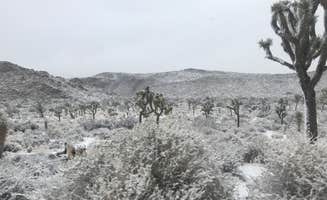
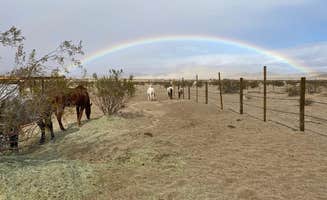
Equestrian camping near Anza, California offers access to several trail networks through the San Bernardino National Forest. Located at elevations ranging from 3,900 to 5,700 feet, the region experiences distinct seasonal changes with summer temperatures often exceeding 90°F while winter nights can drop below freezing. Most horse camping facilities maintain direct trail access and basic amenities with varying levels of seclusion.
What to do
Fishing opportunities: Lake Skinner Recreation Area, approximately 20 miles west of Anza, stocks fish throughout the year. "The lake does have fish, so if you're a fisherman you're going to love this campground," notes David N. Visitors should budget for additional fishing fees beyond camping costs.
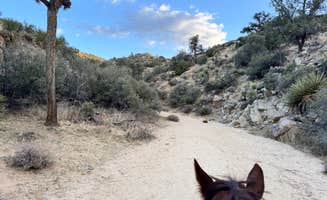
Morning hiking: Trails near Dripping Springs Campground offer cooler conditions before midday heat sets in. "There is a great hike right out the end of the campground, although it gets HOT because this is more desert land than forest," advises Kate W. The main trail forms a 10-mile loop with connection options to nearly 20 miles of total hiking distance.
Wildlife observation: Lake Cahuilla provides opportunities to see desert wildlife including bighorn sheep. "While visiting family in LaQuinta this was perfect...great view over the lake, clean showers, spaces not too close, walk around the lake, big horn sheep viewing," shares Ann-Marie C. Early morning and evening hours offer optimal viewing conditions.
What campers like
Clean facilities: Many campgrounds in the region prioritize bathroom maintenance. At McCall Equestrian Park, "The bathrooms and showers are CLEAN as heck!! Mostly families here so it was nice and quiet at night except for the wildlife," reports Anastasia H. This consistency makes equestrian camping near Anza more comfortable for extended stays.
Proximity to supplies: Most campsites maintain reasonable distance to towns for resupplying. "It's tucked away past residential and about 15 min from the freeway," notes Morgen M. about Lake Cahuilla. This accessibility proves helpful for families or those on longer stays requiring grocery runs.
Dark night skies: The area delivers excellent stargazing conditions away from major light pollution. Lake Cahuilla receives praise for this feature: "Very dark at night which was so great," writes Bryan S. Campers should bring red-light flashlights to preserve night vision while navigating campsites.
What you should know
Campfire restrictions: Fire regulations vary by location and season. At South Ridge Yellow Post Sites, "Fire bans usually in effect during summer," reports E B. Check with rangers before arrival as restrictions can change rapidly based on conditions.
Reservation requirements: Many sites require advance booking, especially during peak seasons. "Make sure to reserve, spots fill up in the summer," advises Dad & B R. about Dripping Springs Campground. Some facilities operate first-come-first-served only for certain site types.
Seasonal temperature fluctuations: Prepare for significant temperature variations. "We didn't expect such a beautiful view!! We happened to be there during the poppy super bloom and the butterfly migration so that was also really cool!" writes Jennifer D. about Lake Skinner, highlighting how timing affects the experience. Summer visitors should plan activities for early morning or late afternoon to avoid peak heat.
Tips for camping with families
Splash pad access: Lake Skinner Recreation Area offers water play features during summer months. "There is a super nice splash pad park that's no additional cost!" notes Jennifer D. This provides relief from heat when swimming in the reservoir isn't permitted.
Kid-friendly biking: Lake Perris State Recreational Area offers suitable terrain for younger riders. "Lake Perris was a fun and clean place to camp at! We did some fishing, bike riding, the water was clear, and my kids loved it," shares Lauren R. The relatively flat trails accommodate various skill levels.
Educational opportunities: Several campgrounds feature interpretive programs. "There is a cool museum were the amazing staff provided us with interesting history about the lake and Indian tribes," adds Lauren R. about Lake Perris. These programs typically run on weekends during peak camping season.
Tips from RVers
Site selection: Choose camping locations based on specific needs and preferences. At Dripping Springs Campground, "Site number 8 is great, also 7 (double site) and 29. Equestrian sites up the hill," recommends Dad & B R. Research specific site numbers before booking to secure preferred features.
Leveling challenges: Many desert campsites require leveling equipment. At Lake Perris, "A lot of spaces are unleveled but it's not a deal breaker for me," notes Troy A. Bring leveling blocks or stabilizers, particularly for larger rigs.
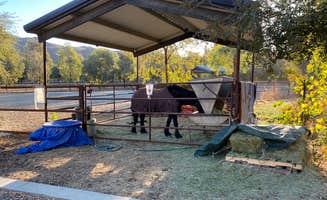
Water management: When horse camping, water access proves essential. Horse camping facilities typically provide specialized water hookups for equestrian needs. Pack extra containers during summer months when water consumption increases significantly for both humans and animals.







 Ranger


