Dispersed camping options near Palm Springs provide alternatives to established campgrounds for those traveling with horses or seeking more secluded sites. South Ridge Yellow Post Sites in San Bernardino National Forest offer free dispersed camping at elevations reaching 5,700 feet, where summer temperatures remain in the mid-80s even when Palm Springs reaches triple digits. These first-come, first-served locations accommodate both tent and RV camping with specific vehicle restrictions on forest roads.
What to do
Hiking from camp: South Ridge Yellow Post Sites connects directly to hiking trails with panoramic views. "Beautiful views from every spot! Will definitely stay here again. Road is a little rough in sections coming up, so plan vehicle choice accordingly!" notes Caroline K. These sites provide direct access to multi-mile trails suitable for day hikes of varying difficulty.
Fishing opportunities: Lake Cahuilla offers stocked fishing at the reservoir near La Quinta. "Here in the off season. Camped in tent section right on the lake. Lots of space. Not on top of neighbors," reports Craig C. Fishing permits required at additional cost beyond camping fees, with bait and tackle available nearby in Indio.
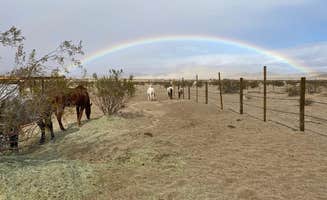
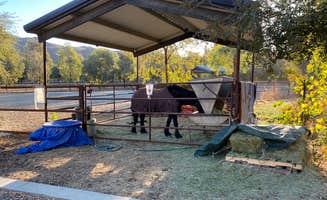
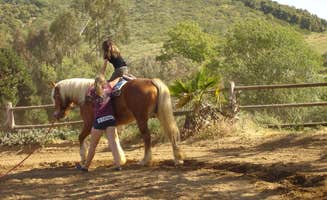
Horseback trails: Dripping Springs Campground includes equestrian-specific sites with access to dedicated horse trails. "Equestrian sites up the hill. Saw a few rabbits and lizards, not too loud, it's peaceful and good distance between some sites," writes Dad & B R. The nearby trails connect to a 10-mile loop system popular with riders, providing terrain suitable for horses of varying experience levels.
What campers like
Wildlife viewing: Ryan Campground in Joshua Tree National Park offers prime opportunities for desert wildlife observation. "Quails running around everywhere, cool little spot at JTree, a little different than Jumbo and the other climber sites," shares Michael K. Morning and evening hours provide the best chances to spot roadrunners, jackrabbits, and various bird species.
Dark night skies: Joshua Tree campsites feature minimal light pollution for stargazing. "Beautiful landscape. Very dry. You must bring all of your own water and firewood (not allowed to collect it there). It is an easy drive from Ryan campground to several classic hikes including ryan moutain trail with an epic view," notes Kelly M. Clear nights reveal the Milky Way and meteor showers during peak astronomical events throughout the year.
Privacy between sites: Several horse campgrounds near Palm Springs, California feature well-spaced sites. "Very nice to find a campsite this private on a weekend in southern California elevation is high enough that temperatures were very enjoyable (mid 80's)," says Tony B. about South Ridge. Sites at higher elevations typically offer more seclusion than valley-floor locations.
What you should know
Water availability: Many dispersed camping areas require self-sufficiency for water. At Yellow Post Sites, there's no potable water available, making advance preparation essential. "This is a great area. I recommend you bring extra mosquito repellent. Have fun!" advises Kique S., highlighting the need for additional supplies beyond water.
Road conditions: Access roads to remote horse-friendly sites often require careful driving. "The sites are well spaced and they were very clean. Visitors center staff was friendly and helpful. Sites are decently spaced but there will be sharing with RV's and generators," notes Mark D. about Black Rock Campground.
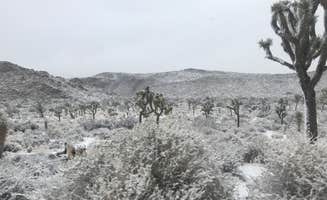
Seasonal considerations: Temperature variations affect camping comfort significantly. "We visited in January, and should have been better prepared! I know better, but we didn't check the conditions well enough, and froze our butts the first night!" warns Justin L. Winter temperatures at higher elevations can drop below freezing, requiring proper cold-weather gear.
Tips for camping with families
Kid-friendly amenities: Lake Perris State Recreation Area offers water-based activities for children. "Lake Perris was a fun and clean place to camp at! We did some fishing, bike riding, the water was clear, and my kids loved it. There is a cool museum where the amazing staff provided us with interesting history about the lake and Indian tribes," shares Lauren R. The campground includes designated swimming areas and educational programs throughout summer months.
Space for activities: Sites with open areas accommodate family games and gatherings. "We love this campground. It's local to us but a great place to getaway with family. It's family friendly, great flat biking for kids, large dirt area used for parking during the Balloon and Wine festival that kids can play on and ride bikes in," explains Erin & Travis M. about Lake Skinner.
Wildlife education: Desert camping provides learning opportunities about local ecosystems. "There's a small gift store in the DOI building that is accompanied by an excellent little art gallery. The featured artist was Diane Best. It was clearly inspired by the park. The ranger and host at the store were very helpful with information about the surrounding area," reports Ryan W.
Tips from RVers
Site selection: Equestrian campgrounds often accommodate larger rigs but require advance planning. "Wide gravel sites, most with 50/30 amp service and water, many right on the small fishing lake. No trees or other screening between sites although not packed in like a standard RV park," explains Patrick M. about Lake Cahuilla. Horse-specific sites typically provide more room for trailers and tow vehicles.
Hookup considerations: Heart Bar Campground offers basic amenities for self-contained rigs. "By far this has got to be the best and largest campground on the 38. First reason is the pricing. At only $21 per night for a single site, this is the best priced campground in the area excluding free yellow post sites," states Nick L. Many equestrian sites provide water but lack electrical or sewer connections.
Elevation impacts: Higher-elevation camps require different RV preparations than desert floor locations. "Heartbar is the largest campground off of the 38, lots of sites and far enough from the road to be very quite. Access to a lot of hiking and dirt roads, hike to San Gorgonio, drive up to Coon Creek Cabin, or just relax," shares Mike M. RV refrigeration systems may struggle in extreme heat at lower elevations, while furnaces become essential at night in higher camps.







 Traveler


