
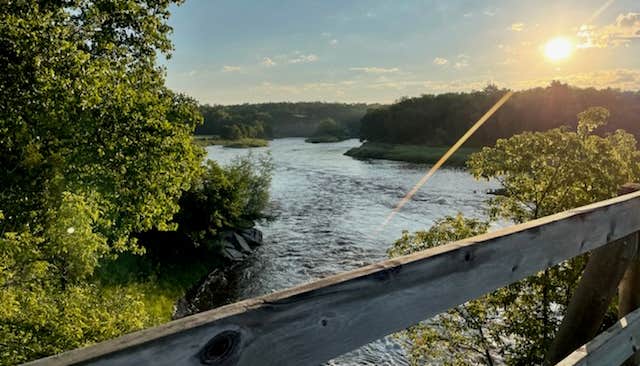
 Photo by Stephanie B.
Voyageurs National Park Camping Guide
Voyageurs National Park offers a one-of-a-kind camping experience in a water wonderland of interconnected lakes, remote islands, and boreal forests. Unlike parks with road campgrounds, all tent camping in Voyageurs is boat-in or hike-in, meaning you'll paddle or boat to your campsite (or take a water taxi). The result is unparalleled solitude and a true wilderness vibe: many sites occupy entire small islands or secluded bays, with loons calling and northern lights occasionally dancing overhead. This guide covers everything you need to plan, reserve, and enjoy camping in Voyageurs, from choosing campsites on Rainy, Kabetogama, Namakan, or Sand Point Lakes to what gear and boat prep you'll need. We've also included local tips from The Dyrt's camping community and park rangers so you can navigate Voyageurs like a pro.
If you're kayaking to a primitive island site with just a tent and campfire, anchoring your fishing boat at a lakeshore campground with a dock, or launching a canoe into the park's quiet interior lakes, Voyageurs promises a camping adventure deeply connected to water and wilderness. Let's get into the details of Voyageurs National Park camping, where getting there is half the fun, and your campsite is your very own slice of Northwoods paradise.
Voyageurs National Park Camping at a Glance
All camping in Voyageurs requires a reservation (no drive-up sites exist), and campers must arrive by boat or hiking trail. The park has 147 water-access "frontcountry" campsites across its four big lakes (Rainy, Kabetogama, Namakan, and Sand Point) and 14 interior "backcountry" sites on remote lakes reached by hiking and canoe. There are also 2 primitive hike-in sites on the mainland (along the Kab-Ash Trail) accessible to hikers without boats. During the summer peak season (mid-May through mid-October), campsites book up when reservations open on November 15 of the prior year. A handful of high-demand sites (ten total, two per major lake) are released on a one-week rolling reservation window to help last-minute planners snag a spot.
Nightly fees are required for all sites (typically around $10 per night for standard sites, with slightly higher rates for large group sites). In the off-season (mid-October to early May when lakes freeze), sites remain reservable (often at a flat $10 rate) but access is very limited. Winter campers may need snowmobiles, skis, or ice roads to reach sites. Summer temperatures are delightfully mild (70-80 degrees F days, 50 degrees F nights), but mosquitoes and flies are intense in June and July. By late summer and fall, bugs ease up and brilliant foliage arrives, though nights dip into the 30s. Come winter, expect deep snow and subzero cold, a completely different adventure. Cell service is spotty to non-existent in most of the park, so plan to be offline and rely on maps or GPS for navigation. There are also numerous Voyageurs dispersed camping options in and around the national park to choose from, depending on the type of camping you are doing.
Voyageurs National Park Campground Quick Facts
| Quick Facts | Details |
|---|---|
| Camping Access | No road campgrounds - all sites are boat-in or hike-in only |
| Total Campsites | 147 frontcountry sites (on main lakes); 14 backcountry sites (interior lakes); 2 primitive hike-in sites |
| Campsite Amenities | Frontcountry: tent pads, picnic table, fire ring, bear locker, privy at each site Backcountry: tent pads, fire ring, pit toilet, bear pole, park-provided canoe |
| Nightly Fees | $10/night standard sites (off-peak) $20-$30/night peak season (varies by site size/type; group sites higher) |
| Reservation Platform | Recreation.gov - camping permits open Nov 15 (summer) and Mar 15 (winter) |
| Peak Season | Mid-May (Fishing Opener weekend) to Oct 15 - all sites reservable, high demand in July-August |
| Off-Season Access | Oct 16-early May - campsites $10; lakes typically frozen Dec-Mar (winter access via ice roads or snowmobile trails) |
| 2025 Updates | Eagle nesting closures: Two Kabetogama Lake sites (K3, K11) closed Apr-Jul 2025 Backcountry sites reopen May 9 after spring thaw |
Voyageurs Campgrounds: Complete Guide
Voyageurs doesn't have traditional campgrounds with loops and hundreds of sites. Instead, you'll reserve individual secluded campsites scattered across the park's lakes and forests. Each major lake serves as its own "camping zone," with sites reachable from the nearest boat launch. Below, we break down the in-park camping options by lake, plus the interior backcountry, including what to expect at each area and who it's best for. All designated sites have either a dock or a beach landing for your boat, a metal bear-proof food locker, picnic table, fire ring, tent pads, and an outhouse (vault toilet) nearby. Sites are generally spacious and spread out, so you'll feel like you have the lake to yourself, but some popular spots are relatively close to others, which can be handy for groups looking to reserve neighboring sites.
Rainy Lake Boat-In Campsites
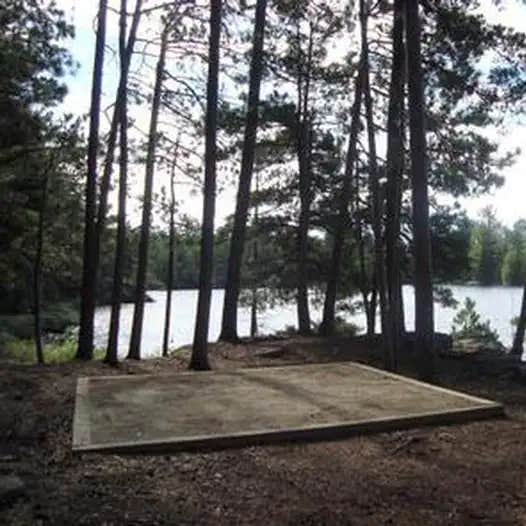
Rainy Lake Frontcountry Camping — Voyageurs National Park
Rainy Lake hosts dozens of boat-in campsites scattered among its many islands and bays on the park's northwest side. These sites are convenient to the Rainy Lake Visitor Center near International Falls and range from small single-tent pads to larger sites with multiple tent pads. Many Rainy Lake sites feature gorgeous sunsets and fishing right from shore - smallmouth bass and northern pike are commonly caught nearby. Sites like Anderson Bay offer access to hiking trails (e.g. the Anderson Bay overlook trail) and rock cliffs. All Rainy Lake sites have either a dock or easy beach landing. They're popular in peak season due to easy access, so reserve early. Expect occasional tour boat traffic during the day near visitor center areas, but evenings are very peaceful.
Kabetogama Lake Boat-In Campsites
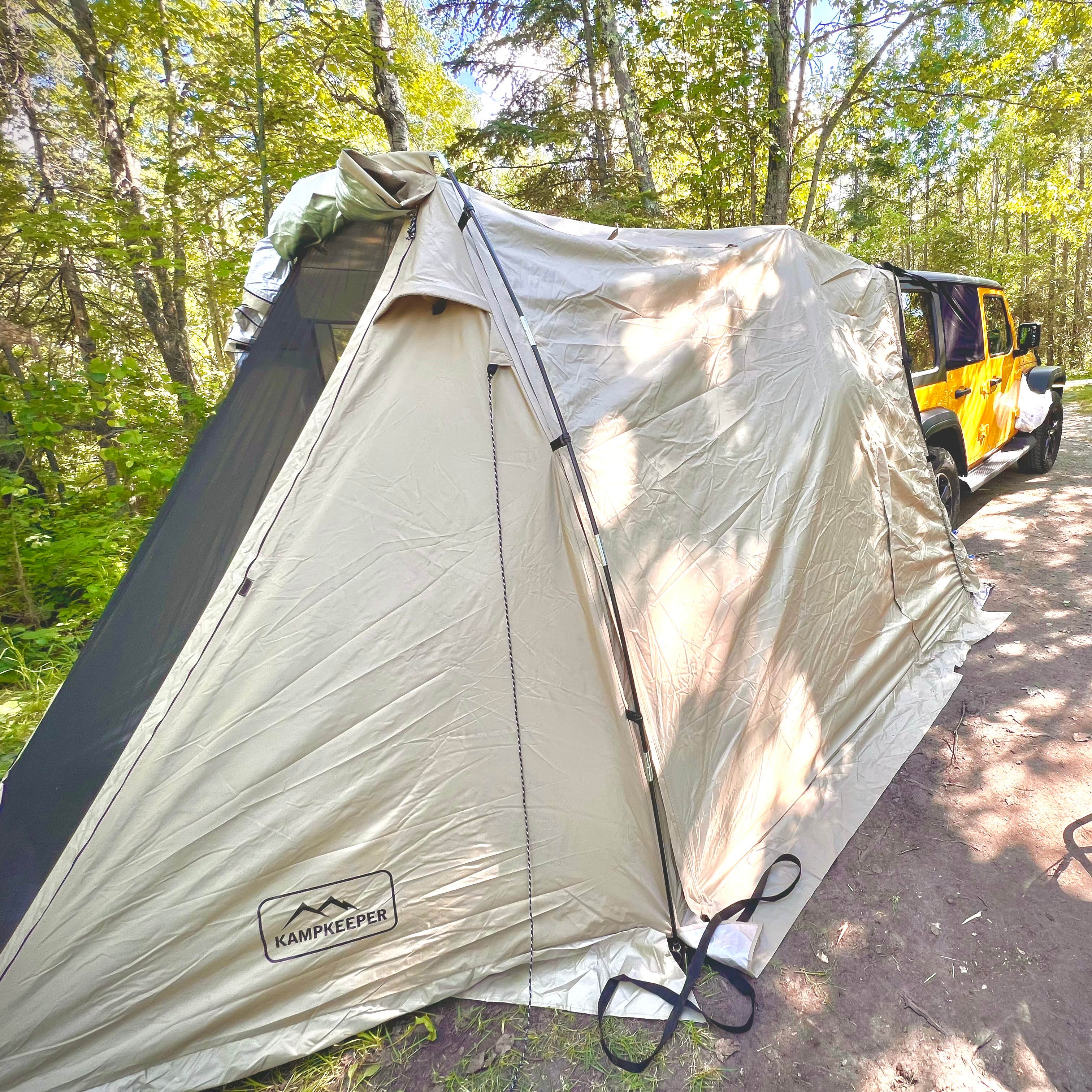
Kabetogama Lake Group Campsite
Kabetogama Lake in the central part of the park features the highest concentration of campsites, with around 50 boat-in sites tucked along its piney shores and islands. Kabetogama sites are a favorite for families and anglers - you're never too far from the main launches at the Kabetogama Lake Visitor Center or the Ash River landing, yet sites still feel remote and wild. Many have protected bays for easy boat mooring. Notable spots include Round Bear (K29), a highly-rated island campsite known for its views and quiet cove, and sites near Ellsworth Rock Gardens (a short boat ride away) which make a great day trip. Kabetogama's camps offer a good balance of convenience and solitude, and they're prime for walleye fishing (the lake is known for it). If it's your first Voyageurs camping trip, Kabetogama's mix of accessible yet beautiful sites is an excellent choice.
Namakan Lake Boat-In Campsites
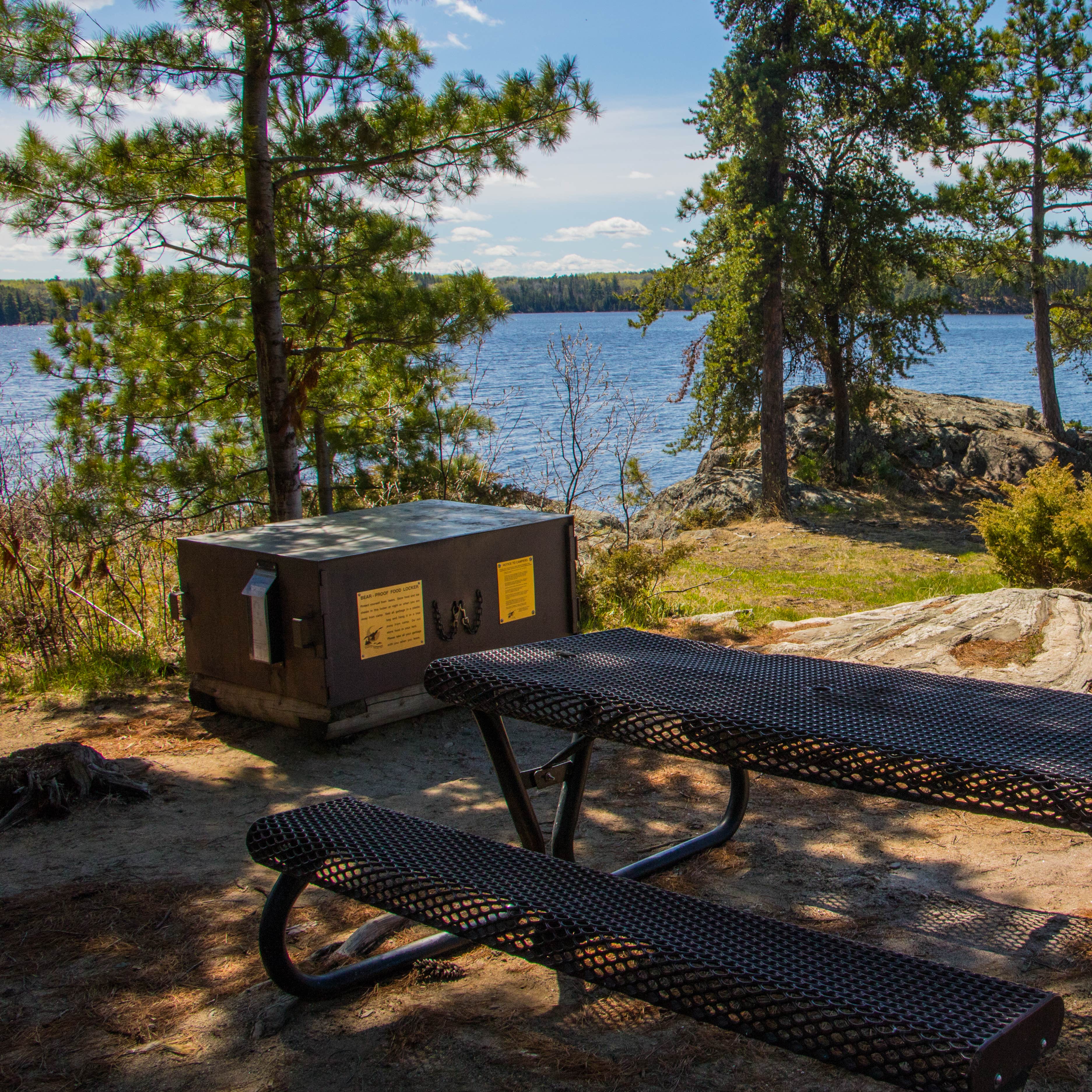
Namakan Lake Frontcountry Camping — Voyageurs National Park
Namakan Lake covers the park's southeastern waters and offers around 30 boat-in campsites, often described as the quietest and least visited of the main lakes. These sites are reached from the Ash River Visitor Center or Crane Lake ranger station and are ideal for campers looking for extra solitude. Namakan's campsites include some on Namakan Island and around Junction Bay, many of which see light usage even in summer. The lake's location makes it a gateway to historic Kettle Falls - campers on Namakan can boat to the Kettle Falls Hotel for a lunch or to see the unique dam and spillway that connects to Rainy Lake. Fishing is excellent (walleye and jumbo perch are plentiful), and wildlife like black bears, moose, and bald eagles are often spotted along these quieter shores. If you want a true off-the-beaten-path feel without going into the backcountry, Namakan Lake campsites are a top pick.
Sand Point Lake Boat-In Campsites: Sand Point Lake sits at the park's far southern edge (straddling the Canadian border) and offers around 15 boat-in campsites known for their tranquility. Sand Point sites are typically accessed via Crane Lake, where campers can also check out Crane Lake primitive campgrounds and Indian Island Campsite on Crane Lake as nearby alternatives.
Sand Point Lake Frontcountry Camping — Voyageurs National Park
Sand Point Lake sits at the park's far southern edge (straddling the Canadian border) and offers around 15 boat-in campsites known for their tranquility. Sand Point sites are typically accessed via Crane Lake. This area sees fewer visitors, giving its camps an especially remote ambiance - you might not see another soul for days. A highlight is Mukooda Lake Trail, reachable from Sand Point, which leads to an isolated interior lake (Mukooda) where smallmouth bass fishing is fantastic. Some Sand Point Lake sites are near Ojibwe pictograph locations on nearby rock cliffs (across the border in Canada's Quetico), adding cultural interest to your stay. Most sites have beautiful forest surroundings and calm waters perfect for paddling. Because Sand Point Lake is a bit off the main routes, its campsites are often available when other lakes are fully booked, making them a great choice for last-minute planners needing solitude.
Backcountry Interior Campsites (Hike-In and Canoe-In)
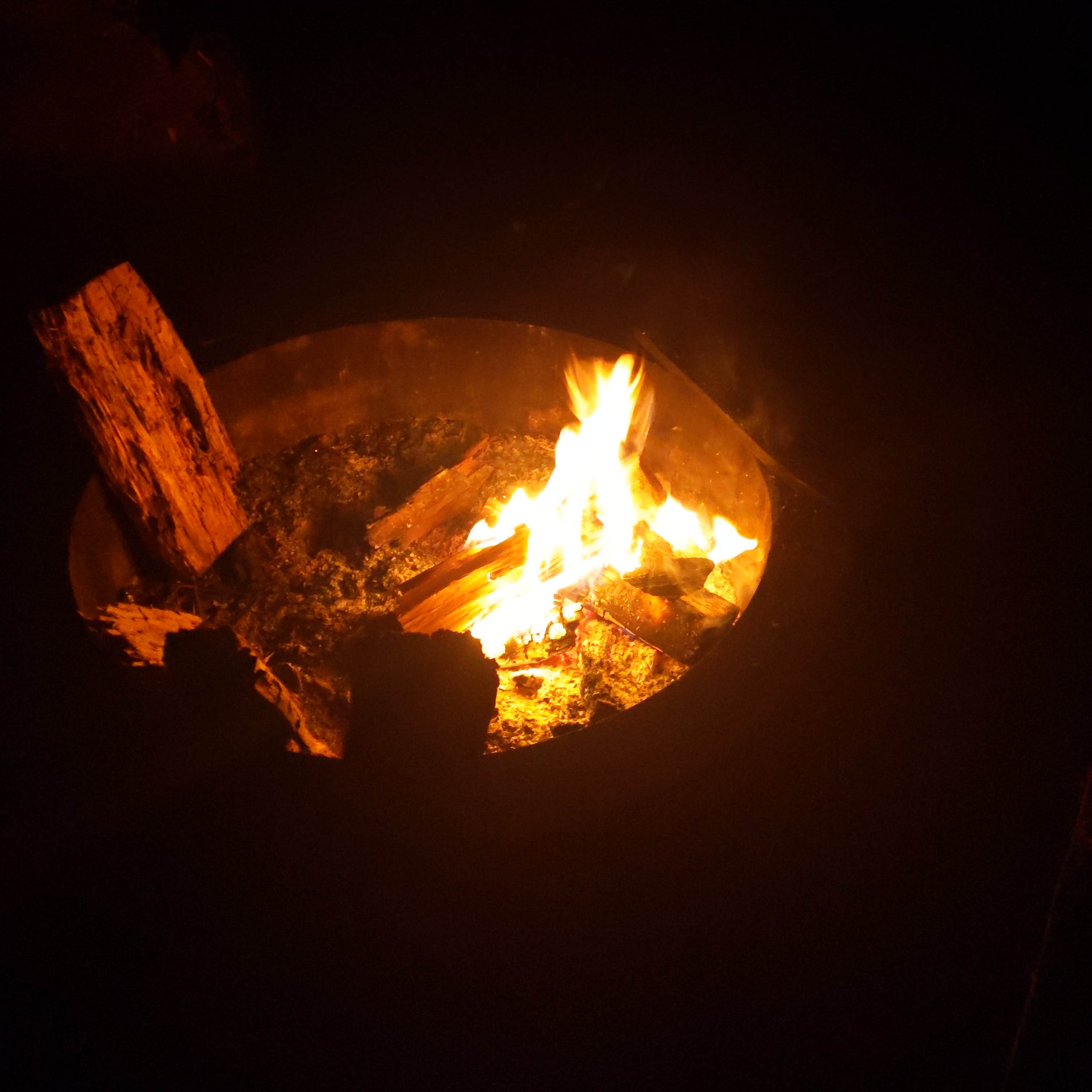
Mukooda Lake Campground — Voyageurs National Park
Voyageurs' backcountry campsites are remote spots on the park's interior lakes, offering a true wilderness camping experience. Reaching these 14 sites is an adventure: you'll boat to a trailhead and then hike 1-3+ miles into the forest (often to lakes like Locator, War Club, Quill, Shoepack, and others). The park provides a canoe at each backcountry lake, included with your reservation, so you can paddle across to your campsite or venture through the chain of lakes. Backcountry sites have a fire ring, a tent area, a pit toilet, and a bear hang pole, but no food locker or dock. What they lack in amenities, they make up for in solitude: you'll likely have the entire lake to yourself. These sites are favored by adventurous paddlers, backpackers, and anglers looking to fish quiet interior waters for pike and perch. They do require more effort (and navigation savvy) to reach, but for campers wanting deep solitude under the stars, Voyageurs' backcountry is hard to beat.
Campground Comparison Table
| Campground | Location & Sites | Cost & Reservations |
|---|---|---|
| Rainy Lake (Boat-In) | Northwest park area ~46 sites on Rainy Lake islands | $10-$20/night Recreation.gov (6 mo. advance) |
| Kabetogama Lake (Boat-In) | Central park area ~52 sites on Kabetogama Lake | $10-$20/night Recreation.gov (6 mo. advance) |
| Namakan Lake (Boat-In) | Southeast park area ~30 sites on Namakan Lake | $10-$20/night Recreation.gov (6 mo. advance) |
| Sand Point Lake (Boat-In) | South border area ~15 sites on Sand Point Lake | $10-$20/night Recreation.gov (6 mo. advance) |
| Interior Backcountry | Park interior lakes 14 hike-in canoe-access sites | $10-$15/night Recreation.gov (6 mo. advance) |
Campground Amenities and Best Uses
Rainy and Kabetogama Lakes: These two areas are the most popular. Rainy Lake frontcountry camping sites are great for first-timers since they're close to the Rainy Lake Visitor Center and generally easier to reach (many within 5-10 miles of the launch). They offer a nice mix of island views, fishing, and even some short hikes (like the Little American Island gold mine trail or Anderson Bay overlook). Kabetogama Lake tent camping sites are ideal for families and anglers with plenty of options near the central visitor center, and the lake is known for outstanding walleye and bass fishing. Kabetogama has a few larger camps (with 3+ tent pads) that are perfect for groups, plus it's easy to boat over to attractions like Ellsworth Rock Gardens.
Namakan and Sand Point Lakes: These southern lakes offer extra solitude and are favored by experienced campers wanting quiet. Namakan Lake boat-in camping puts you within day-trip range of the historic Kettle Falls Hotel (a must-see for history buffs) and tends to have great wildlife viewing (e.g. marshy bays where moose and waterfowl feed). Sand Point Lake campsites are the most remote frontcountry sites, best for campers who don't mind a longer boat ride. These are perfect for photographers and nature lovers; nights on Sand Point are incredibly dark for stargazing, and you might hear wolves howling from across the water.
Backcountry and Primitive Sites: The interior hike-in sites are all about deep wilderness immersion. They're best for well-prepared campers ready to portage gear and paddle park-provided canoes on secluded lakes. Backcountry camps like those on the Chain of Lakes (e.g. Quill or Shoepack Lakes) are renowned for absolute solitude since you can fish or paddle all day without seeing another person. The two primitive hike-in sites (near the Kab-Ash Trail) are a unique option if you have no boat; they involve a several-mile hike and have no amenities beyond a fire ring. These are very basic but allow boat-free campers to experience Voyageurs camping. Note: All campers in the backcountry and primitive sites must plan carefully for water (treat lake water) and pack out all trash since services are minimal.
Houseboats and Group Camps: While not tent sites, houseboat camping is popular in Voyageurs. If you see mooring spots on maps, those are for houseboats (which require a separate permit). For tent campers, the park also has a few group campsites (like the Rainy Lake Group Campsite and Kabetogama Lake Group Campsite) which accommodate larger parties (up to 25-30 people). These group sites have extra tent pads and are great for extended family trips or scouting groups, though they book quickly. If you're looking for more comfortable lodging options, check out Voyageurs cabin rentals or glamping near Voyageurs for alternatives to tent camping.
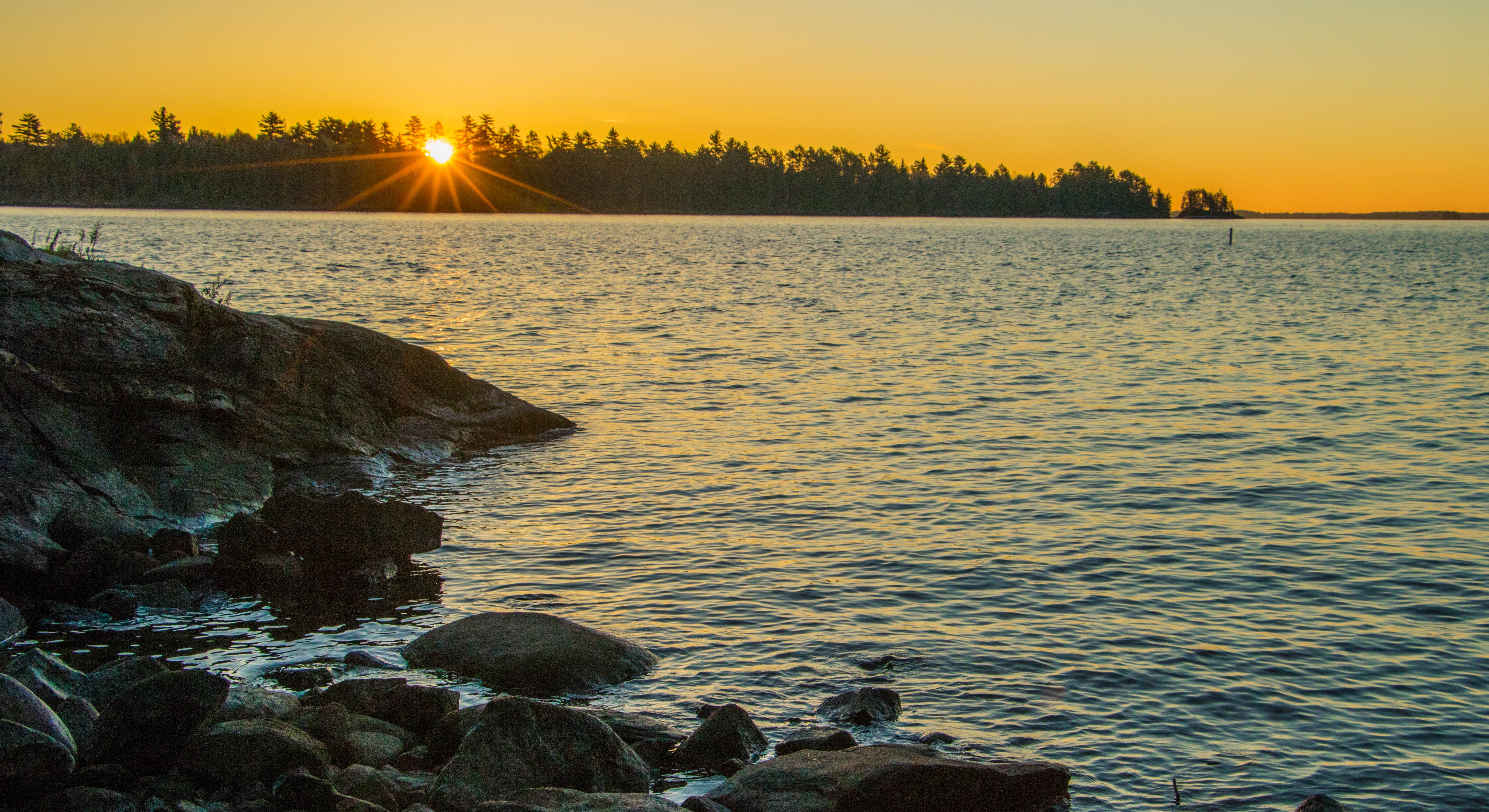 Photo by Shari G
Planning Your Voyageurs Camping Trip 
When to Visit Voyageurs
| Season | Temperatures | Camping Conditions |
|---|---|---|
| Spring (April-May) | Days: 50-68 degrees F Nights: 30-40 degrees F | Ice-out by early May opens lakes Cool, often wet weather Few bugs until late May |
| Summer (June-August) | Days: 70-80 degrees F Nights: 50-60 degrees F | Main camping season - all sites accessible Longest days and warmest water Mosquitoes and blackflies peak in June-July |
| Fall (September-October) | Days: 50-65 degrees F Nights: 30-40 degrees F | Brilliant fall foliage (mid/late Sept) Cool, crisp weather; fewer bugs Many facilities close by mid-Oct |
| Winter (November-March) | Days: 0-30 degrees F Nights: -20 to 10 degrees F | Lakes freeze mid-late Nov Snow typically 2-3 feet deep Camping via snowshoe/snowmobile only |
Spring (April-May):
Early spring in Voyageurs is a transitional time. Ice may linger into April, and backcountry sites remain closed until the thaw is complete (usually by early May). By May, the lakes open up and frontcountry campsites become accessible. You'll enjoy solitude this time of year, as visitor numbers are low (and many local resort facilities haven't fully opened). Expect variable weather: sunny 60 degree F days are possible, but cold rain or even late snow can occur in April. Trails are often muddy with snowmelt. The upside is no insects until later in May, and you might catch the start of wildflower bloom and wildlife emerging. Bears and moose are often seen in spring as they forage for new growth.
Summer (June-August):
Summer is peak season for camping, with all sites open and the full range of ranger programs and boat tours available. June brings lush greenery and mosquitoes. Bug density is highest from mid-June through mid-July, so pack serious repellent or head nets if visiting then. By late July, biting flies and mosquitoes ease a bit, especially in breezy areas. Daytime highs are very comfortable (70s to low 80s degrees F) and nights generally in the 50s, so it never gets oppressively hot. Thunderstorms are common in June and July, so a good tent rainfly and tarps are key. On the water, afternoon winds can whip up, so be cautious of waves if boating between islands. This is the time for swimming (water temps reach the 70s degrees F by late summer) and fishing is excellent (many anglers favor June for walleye and August for bass). Campsites and boat launches will be busiest in July and early August, so reserve early and expect to see other boaters during the day (though you'll still have plenty of personal space at your campsite).
Fall (September-October):
Autumn in Voyageurs is worth the trip. September starts with weather similar to summer (days in the 60s and 70s degrees F, cooler nights) and far fewer bugs. After the first frosts in early September, mosquitoes disappear. The fall colors typically peak around the end of September into the first week of October, when aspen and birch forests turn golden and red. It's a fantastic time for photography and quiet paddling; you might hear bugling elk from the nearby forests and loons congregating before migration. Most campsites remain open through mid-October, but services wind down: visitor centers reduce hours after Labor Day, and water taxis or rentals may be limited. By mid-October, nights often dip below freezing and some years the first snow flurries arrive. If you're camping in late fall, bring cold-weather gear and be prepared for possible ice forming on shallow bays by the very end of October.
Winter (November-March):
Winter is the domain of the hardy. Voyageurs transforms into one of many national parks winter wonderlands as deep snows blanket the park and the lakes freeze solid (ice thickness often exceeds 2-3 feet). The official camping season ends Oct 15, but backcountry winter camping is allowed (with a permit) through March. There are no open campgrounds. Instead, people winter camp by setting up on the frozen lake surface or in the woods. Access is via snowmobile, ski, or snowshoe, often using the groomed ice roads and trails the park maintains. Temperatures regularly plunge below 0 degrees F (the park's record lows reach -40 degrees F). Still, for well-prepared adventurers, winter offers unique rewards: you can see amazing stars and auroras on clear nights, hear absolute silence across the frozen lakes, and might spot tracks of wolves or snowshoe hares crisscrossing your campsite. Specialized gear (sub-zero sleeping bags, mountaineering tents, portable heaters) and survival skills are a must. Winter in Voyageurs is beautiful but unforgiving. Most visitors will opt to enjoy the park in winter via day trips (ice fishing or snowmobiling) and save camping for warmer seasons.
Voyageurs Reservation Systems Explained
Securing a campsite in Voyageurs requires some planning since every tent site is reservable and must be booked in advance. You can't just boat out and claim a spot without a permit. All reservations are handled through Recreation.gov on the "Voyageurs National Park Camping Permits" page. The process is a bit different from reserving a typical campground site because you'll actually be booking individual campsite permits (each with a specific name/code like R55 Jack Pine Bench or K11 Happy Landing). Here's how the system works:
Reservation Window: For the main summer season (Friday before the Minnesota Fishing Opener in May through October 15), reservations open on November 15 at 9:00 am CST the year before. Popular sites can literally get booked within minutes of opening, so it's wise to have a Recreation.gov account set up and know which sites you want. Voyageurs does not use a lottery system; it's first-come, first-served online when the window opens. For the winter/off-season (Oct 16-early May), reservations typically open on a rolling basis or by March 15 of the same year for spring dates.
Rolling Short-Term Reservations: In addition to the general six-month advance window, Voyageurs holds back 10 specific campsites (two on each big lake) which become available only 7 days in advance of a given date. These are the sites listed as short-term options (e.g. R21 Nuthatch, K50 Fox Farm, Johnson Bay N13, S17 South Island, etc.). This system is meant to help campers who couldn't snag a reservation in November. You can check one week out and possibly get a permit for one of these spots if your trip dates are flexible. Keep in mind, those 10 sites are often among the park's best, so competition can still be stiff.
Permit Pick-up: Voyageurs has moved to self-print permits. After reserving online, you should print your camping permit within a week of your trip (Recreation.gov allows printing starting 5 days before the trip). You must carry the paper permit with you and display it at your campsite. Each site has a small vertical "permit box" on the food locker or on a post where you insert your permit for the duration of your stay. Rangers do patrol by boat to check that campers at sites have valid permits.
Length of Stay and Itineraries: Each permit is for a specific site on specific nights. Unlike some parks where you might move freely, in Voyageurs you'll reserve each night at a particular campsite. If you plan to do a multi-night boating trip moving site-to-site, you will add multiple one-night permits (or however long at each site) to build your itinerary. Recreation.gov's system lets you search and book an "itinerary" of sequential campsites in one go. There's a 14-night total trip limit in one reservation. There is no first-come on-site availability. If you haven't reserved it, you can't use it (even if you get there and find it empty).
Fees: When reserving, you pay a non-refundable reservation fee (around $10) plus the nightly amenity fee for each site. For example, a two-night stay at a standard site in peak season might cost around $10 + ($20 x 2) = $50. The reservation fee covers the permit processing and helps the park with maintenance (96% of camping fees stay in the park for upkeep and improvements). If you need to cancel, check Recreation.gov policies. Cancellations more than a day in advance often refund the nightly fees but not the reservation fee.
Changes and Cancellations: If you want to adjust your trip (change sites or dates), you usually have to cancel and re-book, which can be tough if things are full. However, cancellations do happen. Campers are encouraged to check Recreation.gov regularly as their trip approaches, especially 1-2 weeks out, since some permits get canceled and become available.
Overall, planning ahead is key. Identify a few target sites per lake that interest you (using the maps and photos on Recreation.gov), and be ready on opening day. If you miss out, consider a shoulder season trip (early June or after mid-August) when demand is lower, or try grabbing the short-term release sites a week before. Once you have your permits, make sure to print them and bring them along (and do not forget to display them at the campsite - it's required).
Getting to Your Campsite: Boat Access and Navigation
One of the biggest logistical aspects of Voyageurs camping is arranging transportation to your campsite, since there are no roads to them. There are a few ways to do this:
Bring Your Own Boat: Most campers either bring a motorboat, fishing boat, or canoe/kayak to reach the sites. The park has multiple launch points: Rainy Lake Visitor Center (near International Falls), Kabetogama Lake Visitor Center (near the town of Kabetogama), Ash River (central, accessible via Hwy 53 and CR-129), and Crane Lake (a ranger station at the park's eastern edge). Know which launch is closest to your campsite. For example, if you have a site on Sand Point Lake, you'd likely launch at Crane Lake; for a site on Kabetogama's west end, the Kabetogama VC is best. Make sure your boat is appropriate for the distances and conditions: Voyageurs' big lakes can get whitecap waves if windy. A 14-16 foot motorboat is common and can reach most sites quickly. Canoes and kayaks are fine for nearby sites or interior lakes but can be very challenging (and risky) on open water if the wind picks up.
Boat Rentals: If you don't have a boat, local vendors have you covered. There are outfitters and resorts around the park that rent motorboats, canoes, kayaks, and even houseboats. Popular ones are based in Kabetogama, Crane Lake, and Ash River. You can arrange to pick up a rental boat right at a visitor center dock in some cases. Water taxis are another option. Several licensed water taxi operators can shuttle you and your gear directly to a campsite for a fee. This is a convenient choice if you aren't comfortable navigating yourself or have a lot of gear. Voyageurs National Park's official site and Voyageurs Conservancy pages list approved rental and taxi services. Be sure to book these in advance during summer. Campers can also stay at nearby campgrounds like Brown Lake B3 or Birch Grove Resort before launching into the park.
Navigation: Once on the water, have a map and compass/GPS. The lake mazes can be confusing with countless islands and bays. Navigation aids (buoys) mark main channels, but when heading to specific campsites, you'll rely on maps. The park publishes a detailed canoe/boat map showing campsite locations and numbered buoys. It's highly recommended to get this or download it. Also consider a navigation app or GPS with the area's charts. Campsites are marked by small white signs visible from the water, with the site name/code (e.g. "R64" etc.). It's easy to overshoot an island or bay, so plan your route in advance. Pro tip: estimate distance and travel time (small boat ~15 mph, canoe ~3 mph) so you leave early enough to arrive well before dark.
Parking and Launching: Parking at park boat ramps (Rainy, Kab, Ash River, Crane) is free for permit holders, and you can leave vehicles up to 14 days. The ramps are good quality and there are usually courtesy docks for loading. Summer weekends can see the lots fill up, so an early start helps. If you have a larger boat or houseboat, know that Rainy Lake has the only marina (at Rainy Lake VC) with gas and pump-out; on other lakes you rely on local marinas outside the park or bring fuel (follow safety guidelines for fuel transport).
Weather Caution: Always check the weather forecast before heading out each day. Wind can be a bigger factor than rain. A calm morning can turn into a windy afternoon making return travel rough. Plan to do most open-water crossings in early morning or evening when winds are calmer. If a storm kicks up, it's often safest to stay put at your campsite (or nearest shore) and wait it out. All campers should bring extra food/water in case weather delays your travel by a day.
Remember, the journey is part of the adventure in Voyageurs. Many campers find that boating under the sun to reach a distant campsite, or paddling through lily pads to an isolated bay, is where the magic happens. Just be sure to equip yourself properly: life jackets (PFDs) are required for each person in a boat and should be worn when navigating tricky waters. Let someone know your planned route and ETA if possible. Once you're at your site, securely beach or anchor your boat (most sites have a mooring post or tree to tie off to). With transportation sorted, you'll be ready to fully enjoy your waterfront wilderness home.
Campground Costs and Budgeting
| Campground Type | Nightly Cost | Key Features |
|---|---|---|
| Frontcountry Boat-In Sites | $10 (off-peak) $16-$28 (peak season) | Standard single campsite for up to 9 people. Includes tent pads, fire ring, picnic table, bear locker, privy. |
| Backcountry Sites | $10 (off-peak) $15-$20 (peak season) | Hike-in interior lake site for up to 9 people. Includes canoe use, fire ring, pit toilet, bear hang. |
| Group Campsites | $30 (peak season) | Larger site for up to 25-30 people. Multiple tent pads, extra tables, ideal for groups. |
| Houseboat Mooring | $15/night (in season) | Separate permit required for houseboats (self-contained). Allows overnight anchoring at designated spots. |
Additional Fees and Budget Tips
Reservation Fee: Recreation.gov adds around $10 per permit reservation (one-time per trip) in addition to the nightly fees above. If you book multiple sites as one itinerary, it's just one fee, but if you do separate reservations for different sites, you'd pay it each time. This is non-refundable.
Boating Costs: Don't forget fuel costs for your boat (gas can be pricey in remote areas). If renting a boat, factor that daily rate in (could be $50-$200/day depending on type). Budget for the water taxi if you opt for one (some charge per trip or per mile - for example, a taxi to an island 10 miles out might be a few hundred dollars round-trip split among your group). Canoe/kayak rentals are more modest, around $40-$60 per day.
Gear and Supplies: Because you're essentially backcountry camping, you'll need to bring all food and most supplies with you. Nearest grocery stores are in small gateway communities (International Falls, Kabetogama, Crane Lake) which have basic items, but at higher prices. Many campers stock up in Duluth or en route. Ice for coolers is available at visitor centers and local marinas (about $3-$5 per bag). Firewood must be purchased locally or gathered dead/down within the park - expect around $6-$8 per bundle. A useful investment is a large dry box or heavy-duty dry bags to keep gear safe during transport. Budget ~$30-$60 if you don't already have them.
Fishing Licenses and Gear: If you plan to fish (highly recommended since Voyageurs has great fishing), you'll need a Minnesota fishing license. Non-resident 3-day licenses run about $14, seven-day ~$43, annual ~$51 (resident annual ~$26). Tackle and bait can be bought at local bait shops. Live bait is allowed on the big lakes (but not in interior lakes). A bucket of minnows or leeches might cost ~$5-$10. Also note if you're bringing your own boat, make sure it's registered if required and free of aquatic invasive species; cleaning your boat and draining livewells is both law and good practice.
For a typical Voyageurs camping trip (3-4 days), two people might spend roughly: Campsite fees ~$60, Gas for boat $50, Fishing licenses $40, Bait/ice/firewood $30, Incidentals (maps, permits, etc.) $20. That's under $200 for a long weekend of wilderness camping, a great value for the experience you get. By planning ahead and packing thoughtfully, you can keep costs low. If you're on a tight budget, consider coming in shoulder seasons (site fees are lower and rentals sometimes discounted), or share costs with a group at a group site (one permit fee split many ways). Nearby communities like Birchdale and Orr also offer budget-friendly camping alternatives outside the park.
Essential Gear for Voyageurs Camping
Voyageurs National Park camping combines elements of boat travel, backcountry camping, and potential extreme weather. Use the following checklist (organized by category) to prepare for a successful trip:
Reservations and Permits:
- Camping permit printouts for all reserved sites (and a pen/highlighter to mark your permit displayed at site)
- Minnesota fishing license (if you'll fish)
- Boat registration documents (if bringing your own boat)
- Photo ID and credit card (for any rental pick-ups or check-in)
Boat and Navigation:
- Watercraft (canoe, kayak, or boat) with required PFDs for all passengers
- Motorboat fuel (and extra, stored safely in approved gas cans)
- Paddle or oars (even for motorboats, as backup)
- Marine band radio or whistle/air horn for signaling
- Waterproof lake maps or nautical charts of Voyageurs
- Compass and/or GPS device (with spare batteries or charger)
- Weather radio or weather app (for forecasts)
Camping Gear:
- Tent (with full rainfly) and ground cloth
- Sleeping bags (rated 10-20 degrees F lower than expected lows)
- Sleeping pads or air mattresses (insulated type for spring/fall)
- Tarp or canopy (for rain shelter at campsite)
- Rope/paracord (useful for clotheslines, securing tarps, etc.)
- Headlamps or flashlights (with extra batteries)
- Camp chairs (folding) for relaxing by the fire
- Biodegradable soap, sponge, and a small wash basin (to wash dishes away from the lake)
- Quick-dry towels or camp towels
Kitchen and Food Storage:
- Cooler with ice (pack with frozen water jugs to last longer)
- Portable camp stove and fuel (for when fires are not ideal or banned)
- Pots, pan, skillet, kettle (consider nesting camp cookware)
- Cooking utensils (spatula, stirring spoon, knife)
- Eating utensils, plates, bowls, mugs (durable and reusable)
- Bear-resistant food storage if you plan to camp away from provided lockers (e.g. backcountry sites - a bear canister or Ursack is wise)
- Large water containers or jugs (to fill with filtered water for camp use)
- Water filter/purifier or treatment tablets (lake water must be treated before drinking)
- Lighter, matches (waterproof container), and fire starter sticks
- Garbage bags (pack out all trash - leave no trace)
- Zip-top bags or sealed containers for food (to minimize food scent and prevent spills in lockers)
Clothing:
- Rain gear: Waterproof jacket (and pants if possible) - sudden squalls can roll in
- Warm layers: Fleece or puffy jacket (even summer nights can be cool on the lake), beanie hat, gloves (especially for spring/fall)
- Quick-dry clothes: Moisture-wicking T-shirts, long-sleeve shirt (for sun and bugs), hiking pants or shorts
- Swimsuit (for swimming or impromptu dips)
- Sun hat or ball cap, sunglasses (with strap)
- Sturdy footwear: Comfortable hiking boots or shoes for around camp and trails; sport sandals or water shoes for in the boat/landing on rocky shores
- Extra socks and an extra set of clothes stored dry (in case of a dunking or rainstorm)
- Bug net jacket or head net (invaluable during peak mosquito season)
Safety and Emergency:
- First aid kit (include bandages, antiseptic, tweezers for ticks, pain relievers, any personal medications)
- Bug repellent with DEET or picaridin (and/or permethrin-treated clothing)
- Sunscreen (the water reflection can surprise you with sunburn)
- After-bite anti-itch cream or cortisone (for any bug bites)
- Bear spray (optional - black bears are around; incidents are extremely rare, but some feel safer having it)
- Whistle (for signaling in case of emergency)
- Tow line or throw rope (especially if paddling - for rescue or towing)
- Sponge and bilge pump (for canoe/kayak to remove water)
- Spare paddle
- Basic tool kit: multi-tool or knife, duct tape (great for repairs), zip ties
- Portable charger or battery bank (to keep phone/GPS charged - though solar can be iffy in dense forest)
- Waterproof case or dry bag for electronics, keys, and wallet
- Emergency bivvy or blanket (in case someone gets wet and cold)
Navigation and Communication:
- Printed copy of your itinerary and a map for your party (so everyone knows the plan and site locations)
- Park's emergency contact frequency or phone (rangers monitor marine band radio Channel 16 in emergencies, and cell service is spotty, mostly near visitor centers)
- Two-way radios (if your group splits between boats or is large - helps coordinate in areas with no cell service)
- A notepad and pencil (to leave notes if needed or keep journal of your adventure)
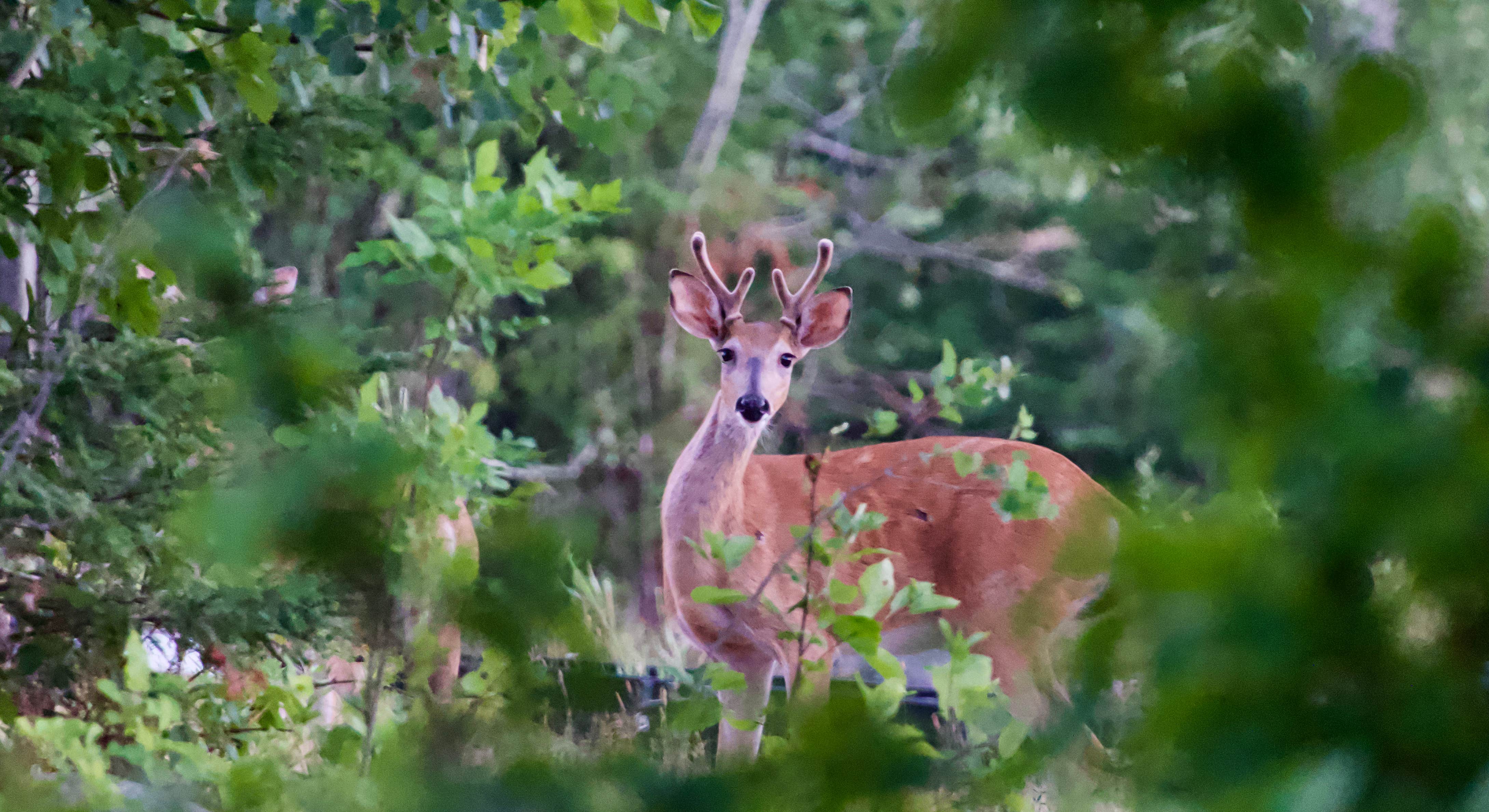 Photo by Jason S
Wildlife Safety and Park Regulations 
Wildlife Safety and Food Storage
Voyageurs National Park is a relatively wild environment, one of the reasons camping here is so special. With that comes a responsibility to minimize our impact and keep the park's waters and forests healthy. The park operates under Leave No Trace principles and has specific rules in place (particularly about wildlife and waste) to protect both the ecosystem and visitors. Here's how to do your part:
Keep a clean camp: Never leave food scraps or trash around. Use the provided bear lockers at frontcountry sites. All scented items (food, toiletries, garbage) should be secured whenever you're not using them. In backcountry, hang food and trash from the bear pole or a high branch away from your tent.
Do not feed wildlife, intentionally or unintentionally. This means cleaning up fishing bait and fish guts too (don't dump entrails near campsites). Feeding animals, from bears to chipmunks, is illegal and dangerous - it trains them to approach people.
Respect safe distances: If you're lucky enough to see a bear or moose, give them plenty of space. Stay at least 50 yards from bears (100 yards if it's a mama with cubs) and similarly for moose. Never approach or try to photograph wildlife at close range. While paddling, don't corner animals swimming (yes, bears and moose swim between islands). If a bear comes near your site, make noise, bang pots, yell - black bears usually flee. Pepper spray is a last resort defense; know how to use it properly.
Fishing and fish disposal: When cleaning fish, do so in the water away from shore or at designated fish cleaning stations (like at houseboat sites or certain docks). This keeps smells out of camps. The park specifically prohibits leaving fish remains near campsites or docks because it attracts scavengers and bears.
Park Regulations and Etiquette
| Regulation Category | Specific Rules | Penalties |
|---|---|---|
| Campfires | Use established fire ring at your site only Keep fires small - cook/cozy fires, not bonfires Completely extinguish before sleeping or leaving | Citations and fines Possible permit revocation |
| Quiet Hours | 10:00 PM to 6:00 AM Sound carries far over water - keep noise down | Warnings and possible eviction |
| Wildlife | Feeding prohibited 50-100 yards from bears/moose No fishing within 200 yards of occupied campsites | Significant fines and citations |
Additional Park Regulations
Leave No Trace Principles: Only camp at the designated sites (you're required to anyway). Do not make new fire rings or tent clearings. When hiking on trails (like the Kab-Ash or others), stick to the trail even if it's muddy. Walking around creates multiple paths.
Dispose of Waste Properly: Use the outhouses and privies provided. Don't leave human waste elsewhere (if you absolutely must, dig a cathole 6-8 inches deep at least 200 feet from water, but ideally use the privy). Pack out all trash. If you find trash others left, consider earning good karma by packing that out too. For dishwater, strain out food bits and scatter the water at least 100 feet from shore; or better yet, carry dishwater to the privy and dump it in the pit. Soap (even biodegradable) should be used sparingly away from water sources.
Leave What You Find: Voyageurs has cultural artifacts from the fur trade era and even earlier (indigenous artifacts). It's illegal to remove or disturb anything of historical or natural significance. Even pretty rocks and driftwood should stay put for others to enjoy. Take photos, not souvenirs.
Minimize Campfire Impacts: Use the established fire ring at your site. Keep fires small - you're mainly making a cooking/cozy fire, not a bonfire. Only burn wood (no trash, plastic, or food). Dead and down wood can be collected for firewood within the park (don't saw limbs off live trees). Better yet, use locally purchased firewood to avoid introducing pests. And absolutely never leave a fire unattended. Douse it completely with water when you go to bed or leave the site, stirring ashes until cold.
Be Considerate of Others: Sound travels far on calm water. While Voyageurs sites are pretty spread out, if you do have neighbors within earshot, keep music and loud noise to a minimum (the park has official quiet hours from 10 pm to 6 am, as many campers will be enjoying the natural night sounds). When boating near occupied camps, steer a wide path to reduce your wake and engine noise. Basically, treat others the way you'd want to be treated in this peaceful setting.
Keep Waterways Clean: No soap directly in the lake. Even biodegradable soap can harm aquatic life. Do all washing of yourself or dishes at least 100 feet inland and bury or disperse wastewater. For swimming, you don't need soap - just enjoy a rinse. If you drop food in water or see litter, fish it out.
Fuel and oil caution: If you refuel a boat or use gas engines, be very careful to avoid spills. It helps to carry absorbent pads in your boat to soak up any small spills. Keep your engine well-maintained to prevent leaks. If nature calls while you're boating, come ashore. Please don't pollute the water (remember many folks filter drinking water straight from the lake).
Invasive species: Clean, drain, and dry your boat if you came from other waters. Zebra mussels and spiny waterfleas are threats in Minnesota. If you're paddling interior lakes, note that you cannot portage your own watercraft into the backcountry lakes to prevent invasive introduction. Use the provided canoes there. This is one reason that rule is in place.
By following these practices, you'll help keep Voyageurs wild and healthy. The park's unique water ecology means a little bit of careless waste can spread far and wide, but the flipside is a small act of care (like packing out an extra bag of trash) also has a wide positive impact. As The Dyrt campers often say, "leave it better than you found it." Future campers, and the park's resident loons, otters, and bears, will thank you. If you want to give back even more, consider learning how to become a national park volunteer.
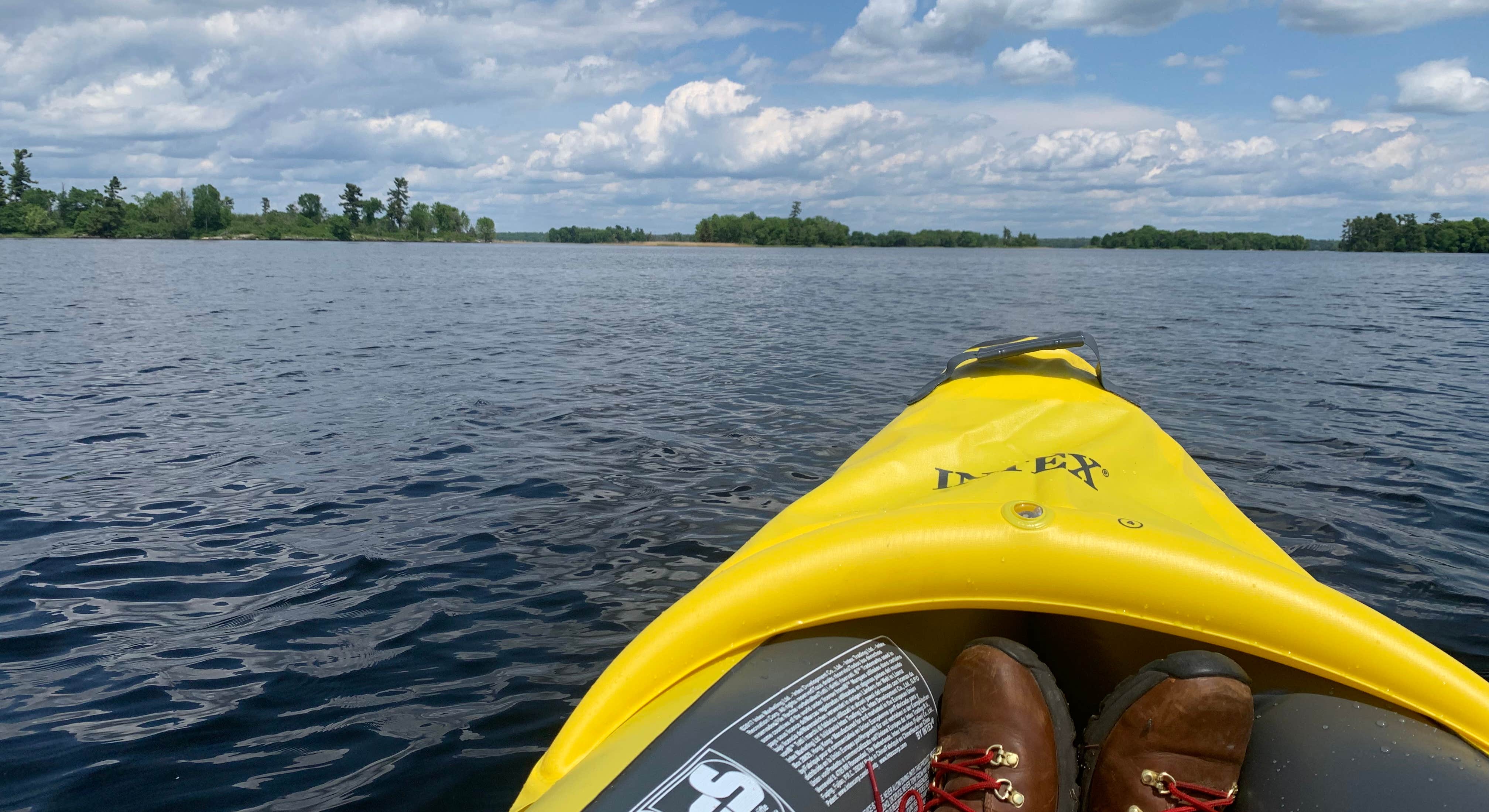 Photo by Rico R
Beyond the Campground: Activities and Exploration 
Camping in Voyageurs isn't just about overnights on a tent pad. It's about immersing yourself in the park's outdoor playground. By day, you can boat to historic landmarks, paddle into quiet coves, hike rocky overlooks, reel in a trophy fish, or even cross into Canada's waters for a bit (with proper permits). Below, we highlight some must-do activities and day trips easily enjoyed from various campgrounds.
Day Trips from Voyageurs Campgrounds
From Rainy Lake Area:
If you're camping on Rainy Lake, a popular outing is boating to Little American Island, site of a short interpretive trail through an old gold mine area. It's only about 2 miles from the Rainy Lake Visitor Center. The island's 0.25-mile loop trail features historic mining remains and signs - a fascinating look at the 1890s Rainy Lake Gold Rush. Another must-see is Anderson Bay on Rainy Lake's eastern end: boat in to access the Anderson Bay Overlook Trail (2.5-mile loop) which climbs to spectacular clifftop views over the lake. This is often called one of the best viewpoints in the park. For a relaxing day, boat over to one of Rainy Lake's many picnic sites (like Lost Bay or Cranberry Bay day-use sites) and enjoy lunch with a view. These sites have picnic tables and fire grates available for day use. Campers staying near Ranier have quick access to all Rainy Lake areas.
From Kabetogama Lake Campgrounds:
Kabetogama campers have a treat in Ellsworth Rock Gardens on the north shore of Kab. It's an easy day trip by boat (roughly 5 miles from Kabetogama VC). Here, a mid-century homesteader created an incredible garden of over 200 stacked rock sculptures amidst terraced flower beds, all viewable from a short walking path. It's like a mini outdoor art museum in the woods. Another adventure is heading through the Kabetogama-Ash River Narrows into Namakan Lake to visit Kettle Falls. You can dock at the Kettle Falls Hotel (a historic 1910 lodge) and grab a sandwich and a cold drink. Don't miss walking to the dam overlook where water from Namakan tumbles down to Rainy Lake. You're literally on the border of the U.S. and Canada. If fishing is your aim, many Kabetogama campers will boat to the Hacksaw Pass or Snipe Lake areas (west end of Kab) for prime walleye spots - a great half-day fishing excursion. Check out Kabetogama Campground for nearby camping options outside the park.
From Namakan and Sand Point Lakes:
Campers on Namakan can easily reach the far-east sights. A top pick is the Kettle Falls route (if you're not already coming from Kab side). From Namakan Island camps, Kettle Falls is a short hop across the lake. Another fantastic run is down into Sand Point Lake to see the Warrior Hill and Lincoln Island area (just beyond the U.S. side on Canada's Lake Lac La Croix First Nation land, visible from Sand Point). While you can't land on those without customs clearance, viewing the towering Warrior Hill cliff and pictographs (rock paintings) from your boat is memorable. On the U.S. side, Mukooda Lake is a fun excursion: dock at the Mukooda Trail (on Sand Point Lake's Nevins Narrows) and hike 1 mile to the lake, which has a swimming beach and reputedly great smallmouth bass fishing. It's like visiting a secret lake hidden within the park. Namakan campers who want a social break can boat to Ash River (the tiny settlement outside the park) where there's a lodge with a casual restaurant - a chance to grab a burger and fries before heading back to camp. The Ash River Campground near the visitor center is a popular basecamp option.
Top Hiking Trails Near Campgrounds
While Voyageurs is primarily a water-based park, it does offer some rewarding hikes - both short nature strolls and longer treks - often accessible via boat or near visitor centers. Here are a few notable trails:
| Trail Name | Difficulty & Distance | Key Features |
|---|---|---|
| Oberholtzer Trail (Rainy Lake) | Easy 1.7 miles RT | Paved/gravel path starting at Rainy Lake VC. Forest and wetland views, interpretive signs. Family-friendly introduction to Voyageurs on foot. |
| Echo Bay Trail (Kabetogama) | Easy 2.5-mile loop | Gentle terrain through aspen and pine forest near Kabetogama Lake. Great for birdwatching and fall colors. Trailhead by Kabetogama VC campground area. |
| Anderson Bay Loop (Rainy Lake) | Moderate 2.5-mile loop | Boat-in access trail. Climbs to cliffs overlooking Rainy Lake and Anderson Bay. Spectacular views of islands and water from the top. |
| Locator Lake Trail (Kabetogama) | Strenuous 4 miles RT | Trail from Kabetogama Lake landing to Locator Lake (interior). Steep and rugged in spots. Leads to backcountry canoes on Chain of Lakes. Quiet forests, good chance of wildlife. |
| Cruiser Lake Trail (Interior) | Strenuous 8 miles one-way | Long backcountry trail crossing Kabetogama Peninsula. Connects multiple interior lakes. Remote and rarely traveled - a true wilderness hike with campsites along the way. |
Trail Access and Starting Points
Rainy Lake Area: The Oberholtzer Trail begins right behind the Rainy Lake Visitor Center and is a perfect leg-stretcher if you've been in a canoe or boat for a while. It winds through marsh edges - keep an eye out for beavers and waterfowl. The Rainy Lake Recreation Trail is another easy path (paved for part) that extends 1.5 miles, great for a bike ride or jog with views of Rainy Lake's shoreline. For the Anderson Bay Loop mentioned, you'll boat approximately 12 miles east from Rainy Lake VC to the Anderson Bay public dock. The trailhead starts there. It's well worth the trip for that cliff view and is often cited as the park's best hike. Campers looking for nearby drive-in options can check out Echo Lake Campground in Superior National Forest or Chippewa Campground.
Kabetogama and Ash River: Near the Kabetogama Visitor Center, the Echo Bay Trail trailhead is reachable by a short drive or paddle to the Echo Bay area. It's a mostly flat loop through mixed forest, accessible and enjoyable for all ages. Also at Kabetogama VC is the tiny Kabetogama Lake Overlook Trail (0.2 mi) that goes to a viewpoint with a bench overlooking the lake. The Locator Lake Trail starts on Kabetogama Lake's north shore; most people reach it by boat from the VC (about 4 miles by water to the trail landing, marked by a sign). It's a workout, climbing over ridges, but your reward is a remote lake where canoes await you for further exploration. From Ash River, a nice short hike is the Beaver Pond Overlook Trail (0.4 mi) which ascends to a bluff above a beaver pond, great for sunsets. Nearby camping options include Kabetogama State Forest at Ash River.
Backcountry Treks: The Cruiser Lake Trail is an 8-mile (one-way) backcountry route that many visitors turn into an overnight backpacking trip. It starts at the west end near Lost Bay on Kabetogama (boat-access via gentle landing), crosses the peninsula, and ends near Anderson Bay on Rainy. It's strenuous and you should expect downed trees, boggy sections, and total solitude. Along the way, spur trails lead to secluded interior lakes with backcountry campsites, so one could hike and camp, then continue on. Another interior hike is the Mukooda Lake Trail (mentioned earlier): a moderate 2.8-mile RT from Sand Point Lake to Mukooda Lake, showcasing a hidden lake and even an old Prohibition-era gangster cabin ruins. In winter, the park grooms some trails for cross-country skiing, like the Tilson Connector Trail near Ash River which is great for a glide through the snowy woods.
No matter which trail you tackle, remember that Voyageurs' trails are less traveled than those in many parks. You may not see anyone else. Carry your daypack with the usual basics (water, bug spray, first aid, navigation). In summer, trails can be overgrown; long pants help prevent scratches and tick bites. Always let someone know your hiking plan, especially if leaving your campsite to hike a remote trail accessible only by boat.
Fishing, Boating, and Water Activities
Voyageurs National Park is an angler's paradise and a boater's dream. With over 84,000 acres of water, the park provides endless opportunities to fish, boat, or even take a refreshing swim in a quiet bay. Here's what you need to know:
Fishing Regulations and Licenses:
If you plan to fish in Voyageurs (and you should since the fishing is fantastic), make sure to obtain a Minnesota fishing license before casting a line. Licenses are available online or at local bait shops; choose from daily, 7-day, or annual options depending on your trip. Follow Minnesota's fishing seasons and limits: walleye and northern pike are the marquee catches, with specific slot limits in place (for example, walleye 18-26 inches must typically be released; check current regs). Barbless hooks aren't required but are encouraged for easier catch-and-release. One unique rule: do not bring in bait from out of state. Use locally purchased bait to prevent invasive species. Also, within park waters, crayfish, frogs, and turtles are off-limits for collecting (they're considered wildlife, not "fish," per regulations). In practical terms: use common sense and courtesy. No fishing within 200 yards of someone else's occupied campsite (it's actually prohibited), and don't leave fish guts at docks or camps (dispose in deep water).
Top Fishing Locations:
- Lake Kabetogama: Known for excellent walleye fishing, especially around deep points and reefs. The western end near Mud Bay and Harris Island has strong currents and great structure. Locals love it in June. Also try around Apgar Island for bass and pike.
- Namakan Lake: Renowned for big northern pike. In late summer, hit the reefs off Junction Bay or Humboldt Bay for walleye in 15-25 ft depth. In spring, the shallow bays on the east end warm up fast and draw pike.
- Rainy Lake: A storied fishing lake. Black Bay in Rainy Lake is a crappie hotspot in May (as well as giant snowshoe hares often spotted onshore). The Brule Narrows area holds nice smallmouth bass; cast near rocky shorelines. Rainy's undeveloped northern shorelines are great for muskellunge if you're up for a challenge.
- Sand Point Lake: Often overlooked, but Grassy Bay in Sand Point has clear water and weeds harboring big pike and plenty of perch (great fun for kids to catch). The smallmouth bass in Sand Point's Evans Island area are large and eager in June.
- Interior Lakes: If you're in the backcountry, lakes like Quill, Locator, and Shoepack are full of northern pike, including the unique "shoepack strain" of pike known for their slow growth but long life. Expect quantity over size here. Peary Lake and others along Cruiser Trail are rarely fished except by those willing to bushwhack or portage canoes. You might pull in fish that have never seen a hook.
Many campsites double as superb shore-fishing spots in the evenings. Bring a versatile rod and a mix of lures: jig heads with plastic grubs, shallow diving crankbaits for bass, spoons or buzzbaits for pike. Live bait (minnows, leeches) works wonders. Just remember, don't dump unused bait into the water when you're done.
Boating Tips:
With so much water, consider devoting a day purely to boating. Pack a lunch and navigate through island channels since every day can be a new route. A classic boat tour route is looping from Kabetogama to Kettle Falls to Rainy and back (requires a full day and decent speed boat). Another fun challenge: see how many park buoys (the numbered navigation markers) you can find in a day. Kids enjoy "spotting" them like a scavenger hunt. Wildlife by boat: early morning or dusk idling through quiet coves might reward you with a moose swimming or wolves along the shore. Always keep binoculars handy in your boat. For paddlers, Voyageurs is incredible: you can kayak the same routes the French-Canadian voyageurs did 250 years ago. Try a half-day paddle from Ash River to Kabetogama through narrow channels that larger boats skip. You'll glide past wild rice beds and beaver lodges.
One safety note: watch the weather, especially wind forecasts. The big lakes can get rolling waves that swamp small craft. If your campsite faces open water and it's windy, you might delay departure or hug the leeward shorelines. The park's visitor centers post updated marine forecasts.
Swimming:
After a few days of boating and hiking, nothing feels better than a cool dip. While Voyageurs doesn't have lifeguarded beaches, many campsites feature small pebble or sand landing areas perfect for a swim. Water temperatures peak in August in the low 70s degrees F - refreshing but swimmable. Earlier in summer it can be brisk (60s). Always wear a PFD if you're not a confident swimmer or if venturing into unknown waters (there are drop-offs). Recommended swim spots: The day-use beach on Mukooda Lake is delightful with clear water and sandy shallows. Bird Island (on Rainy Lake) has a sand spit that's great for a picnic and wade. Woodenfrog State Forest Campground (just outside the park on Kab) also has a public swimming area. Families should note that shallow bays like Jackfish Bay on Kabetogama warm up nicely by July and often have warmer water than the main lakes. One quirky swim opportunity: Voyageurs has several saunas (yes, saunas) at a few historic rental cabins (like the Kettle Falls Hotel and some houseboat sites). After a good sauna, jumping into the lake is an exhilarating tradition.
From fishing for walleye to paddling at sunset or cannonballing off a houseboat deck, water activities are the heart of Voyageurs. Be safe, always boat sober and with lights at night, and the waters of the park will reward you with memories of a lifetime.
The Dyrt Community Insights 
Ranger Recommendations
The Dyrt's community of campers and even park rangers have chimed in with some insider tips and favorite spots for Voyageurs:
Best Campsite for Views:
"Round Bear (Kabetogama K29) is phenomenal," shares one Dyrt camper who paddled to this small island site. "It faces west - we had our own private sunset every night and could hear wolves across the water after dark." This site consistently gets top marks for scenery and a quiet setting. Rangers note it's one of the park's short-term reservable sites, so it can be snagged a week out if you're lucky.
Hidden Gem Campsite:
A Voyageurs ranger recommends Johnson Bay N13 for campers wanting solitude. "N13 is tucked way up in a quiet bay. It has a beautiful rock point and is great for sunrise photos. Hardly anyone ever chooses it, but it's one of my personal favorites." Indeed, Johnson Bay is often open even in peak season, and the fishing for pike in that bay is excellent.
Fishing Hotspot Tips:
"Lost Bay on Kabetogama," says a local angler on The Dyrt. "We caught walleyes for dinner right from our campsite in Lost Bay. Use a leech on a slip bobber around 8 pm - bite was on!" Many campers echo the magic of fishing the hour before sunset near camps. Another tip: a veteran Voyageurs camper suggests trolling crankbaits along the windward side of islands (where wind pushes baitfish) for big bass and walleye. "We did this around Three Sisters Islands - one of our best fishing days."
Boat Safety and Weather:
Several community members stress watching the wind. One Dyrt reviewer writes, "By afternoon the big lakes can get whitecaps. We almost swamped a canoe crossing Kab in July." Rangers advise planning routes with island hopping in mind - break long open-water crossings into shorter zig-zags using islands as wind breaks. Also, always have a plan B: "There are free first-come day use sites and backcountry sites you could emergency camp at if needed," a ranger notes. Better to squat safely than risk rough water beyond your skill.
Top-Rated Sites from The Dyrt Community
| Category | Top Pick & Rating | Key Highlights |
|---|---|---|
| Highest-Rated In-Park | Voyageurs Backcountry Sites 5.0/5 stars | Ultimate solitude, clean lakes, sense of true wilderness immersion |
| Best View Tent Spot | Round Bear (Kabetogama K29) 5.0/5 stars | Private island feel, spectacular sunsets, quiet cove for swimming and starry nights |
| Best Fishing Campsite | Namakan - Johnson Bay N13 4.8/5 stars | Excellent shore fishing for pike/walleye, sunrise views, low usage site |
| Top Nearby Campground | Woodenfrog State Forest CG 4.5/5 stars | Drive-in option just outside park, wooded sites, swim beach and boat launch |
| Private Resort Pick | The Pines of Kabetogama 5.0/5 stars | Full-service campground and cabins, immaculate facilities, direct lake access |
Community Insights and Recommendations
Solitude and Soundscapes: Campers consistently talk about how quiet Voyageurs can be. As one reviewer put it, "Northern Minnesota camping is one of the few places left with absolutely no sounds of man-made machines" - and they're right. Expect peaceful nights; sound travels far over water, so you may hear a lone boat motor in the distance but mostly it's loons, wolves, and the wind in the pines. Embrace that silence and keep your own noise low to fully experience it. Many recommend bringing a good pair of binoculars or a spotting scope - with low noise and light pollution, wildlife and stargazing opportunities abound. Voyageurs consistently ranks among the best places to camp in the Midwest.
Bugs and Critters: The Dyrt community is frank about the bugs: they can be brutal in early summer. "Come prepared for mosquitoes of biblical proportions in June," one camper warned (with a 5-star review despite that, because the trip was so amazing). Thermacells, head nets, and strong DEET are suggested. On the flip side, several reviewers in late August or September report minimal bugs - timing is everything. Regarding bigger critters, bear encounters are rare but proper food storage was a common theme. Campers mention seeing bear claw marks on food lockers - evidence that bears know those boxes sometimes hold goodies, so don't leave them open and don't spill food around them. One group had a bear swim near their island, but it never came ashore after they made noise. The consensus: follow the rules and you'll be fine. As for other wildlife, "We woke to otters playing in our bay each morning - better than coffee!" shared one reviewer. Many also rave about hearing loons calling at night (have an earplug option if you're a light sleeper, because loons will perform a serenade, especially before dawn).
Campground Praise: Outside the park proper, Woodenfrog Campground gets love as an inexpensive basecamp. "If you like it primitive, Woodenfrog is the place," noted a Dyrt Legend review. No electricity, pit toilets, but beautiful forest campsites and a boat dock to launch into Voyageurs. Campers often stay there a night before or after heading into the park. The Pines of Kabetogama resort also earned glowing reviews for campers who don't mind a more developed setting. People loved the showers and the fact that you can rent a pontoon or golf cart on site. It's a different vibe than the park's own camps, but can be a nice add-on. Other nearby options include Boondocks, Harmony Beach Resort, and Arrowhead Lodge.
Weather and Season Tips: Several Voyageurs veterans on The Dyrt suggest late summer as the optimal time - warm water, fewer bugs, and spectacular night skies. "The last two weeks of August are incredible - we saw northern lights right from our campsite!" one camper wrote. Others say early June, despite bugs, is worth it for better wildlife sightings and waterfalls (if you boat to feed streams or Kettle Falls, spring has more flow). If you plan a spring trip, community tips include bringing waders or waterproof boots (some trails can be flooded) and being prepared for cold rain. One spring camper mentioned a late May cold front brought sleet, but they had a safe shelter and still enjoyed fishing - because they had packed that 0 degree F rated sleeping bag just in case. For campers who prefer cabin stays, Ron's Cabins offers a nearby alternative.
Finally, the community emphasizes flexibility and moving around. Don't rigidly stay at camp - Voyageurs is about voyaging. If you reserved a site and it's not what you hoped (maybe the wind is hitting it wrong or the fishing is dead), consider moving if there's availability elsewhere. Rangers can sometimes adjust your permit if another site is open. Or use it as a base and boat to different corners of the park each day. As one Dyrt Ranger put it, "Voyageurs is best when you wander. Every bay, every island feels like a new world. Give yourself permission to get a little lost (safely) and you'll discover the park's magic."
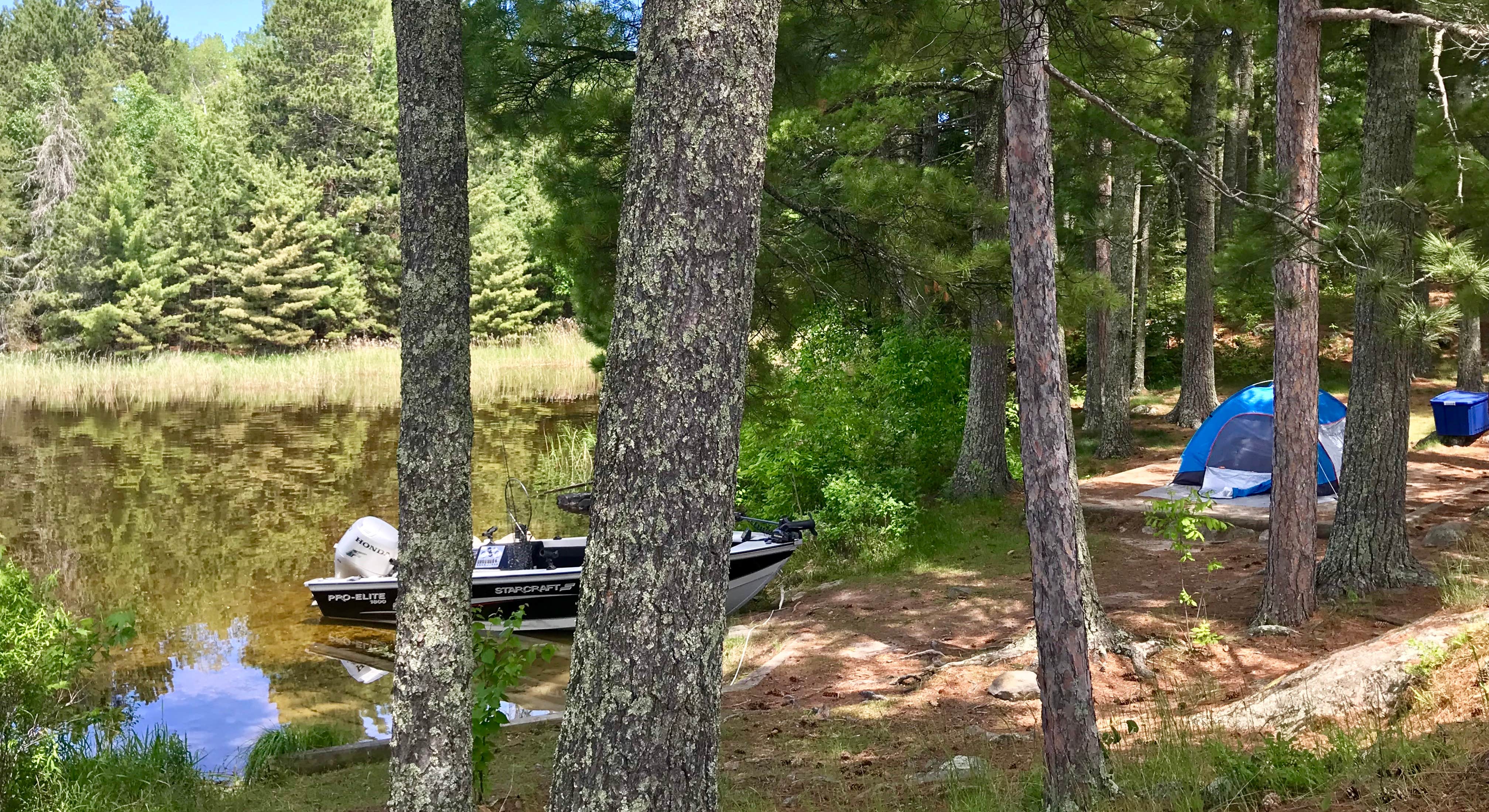 Photo by Rob H
Responsible Camping Practices 
Leave No Trace in Voyageurs
Camping in Voyageurs' fragile water-based ecosystem requires thoughtful camping practices to protect what makes this park special:
Pack It In, Pack It Out:
Take out everything you bring in, including all trash, food scraps, and belongings. Even micro-bits of food can harm wildlife. Use the bear-proof trash receptacles at visitor centers, or pack your garbage securely until you find proper disposal. Leave your campsite cleaner than you found it to maintain the natural habitat for animals and keep sites pleasant for the next camper. Remember that Voyageurs has no road access to sites, so anything you bring must leave by boat with you.
Use Established Campsites:
Camp only at designated sites (you're required to anyway by permit). Do not make new fire rings or tent clearings. If you're dispersed camping near Voyageurs on adjacent state or national forest land, stick to areas that have obviously been used before. Driving off-road or clearing vegetation for a new site causes long-lasting damage in these delicate northern ecosystems.
Fire Safety:
Follow all fire regulations. If there are fire bans or restrictions (which can happen during dry periods), obey them strictly. Where fires are allowed, keep them small and only in provided fire rings. Never leave a fire unattended. When extinguishing, drown the fire with water, stir the ashes, and drown again until cold to the touch. Many campers carry an extra water jug specifically for fire duty. Never burn trash in your campfire.
Wildlife Respect and Safety:
Never feed animals and maintain safe distances - at least 50 yards from bears and similarly for moose. If wildlife wanders near your campsite, give it plenty of space. At night, store all scented items in bear boxes or provided lockers. By respecting wildlife, you help keep these creatures wild and safe. Remember: "A fed bear is a dead bear."
Keep Waterways Clean:
Prevent soaps, food waste, or contaminants from entering lakes and streams. Use biodegradable soap sparingly and wash dishes at least 100 feet from any water source (and scatter strained dishwater). Voyageurs' lakes are the lifeblood of this park. These practices protect the watershed that supports both wildlife and human communities downstream.
Frequently Asked Questions 
When is the best time to camp in Voyageurs National Park? Late summer (mid-August through early September) offers the best overall conditions: warm water for swimming, minimal bugs after the first frosts, and spectacular night skies with potential northern lights. Spring (May) provides solitude and wildlife viewing but expect cold nights and variable weather. Fall brings beautiful foliage by late September but nights dip below freezing. Summer (June-July) offers the longest days and warmest weather but also peak bug season and highest demand for campsites.
Do I need a boat to camp in Voyageurs? Yes, for nearly all campsites. All 147 frontcountry sites are boat-in only with no road access. Options include bringing your own boat, renting from local outfitters, or hiring a water taxi service. The only exceptions are two primitive hike-in sites along the Kab-Ash Trail. If you don't have a boat, water taxis can drop you at your reserved site and pick you up at trip's end. Several outfitters near International Falls, Kabetogama, and Crane Lake offer rentals. If you'd prefer drive-in camping nearby, consider RV camping near Superior National Forest or dispersed camping near Ranier.
How do I make camping reservations for Voyageurs? All reservations are made through Recreation.gov under "Voyageurs National Park Camping Permits." For summer season (mid-May through October 15), reservations open November 15 at 9:00 AM CST for the following year. Popular sites book within minutes. Ten high-demand sites release on a rolling 7-day advance window for last-minute planners. Print your permit before arriving and display it at your site.
Are there RV campgrounds in Voyageurs National Park? No, there are no RV campgrounds inside Voyageurs National Park since all camping requires boat access. However, several private RV parks and campgrounds near the park offer full hookups, including International Voyageurs RV Park near Rainy Lake and various options near Kabetogama and Crane Lake. These make excellent basecamps for day trips into the park. Woodenfrog Campground offers drive-in tent camping just outside park boundaries.
What amenities are at Voyageurs campsites? Frontcountry (boat-in) sites include tent pads, a picnic table, fire ring with grate, bear-proof food locker, and an outhouse (vault toilet). Most sites have either a dock or beach landing for your boat. Backcountry (interior) sites are more primitive with tent pads, fire ring, pit toilet, and a bear hang pole. The park provides canoes at backcountry lakes. There are no hookups, showers, or running water at any campsite. Bring a water filter or purification system since lake water must be treated before drinking.
Can I bring my dog camping in Voyageurs? Pets are allowed at frontcountry campsites and must be kept on a leash no longer than 6 feet at all times. Pets are not allowed on hiking trails, in the backcountry, or in park buildings. Consider that boat travel with pets requires extra preparation, and your dog may encounter wildlife like bears and moose. Always clean up after your pet and store their food in bear lockers just like human food. For pet-friendly drive-in camping near the park, consider Big Falls Campground and Horse Camp or Blueberry Hill Campground.
How bad are the bugs in Voyageurs? Mosquitoes and blackflies can be severe from mid-June through mid-July, particularly near water and in calm, shaded areas. Most campers consider bug protection essential gear during this period - head nets, Thermacells, and DEET-based repellent are popular choices. Bugs diminish significantly after the first frosts in late August/early September. Fall camping offers near bug-free conditions.
Planning Resources
Essential Voyageurs Links
- The Dyrt Voyageurs NP Campground Finder - Real camper reviews, pictures, and availability for campgrounds in and around Voyageurs NP
- Voyageurs National Park Official Website - Current conditions, alerts, and regulations
- Recreation.gov Voyageurs Permits - Booking platform for all Voyageurs camping permits
- Voyageurs National Park Weather - Seasonal forecasts and climate information
- Voyageurs Conservancy - Partner organization with rental and taxi service listings
- Minnesota DNR - Fishing licenses and regulations
Reservation Timeline
| Time Period | Reservation Task | Platform/Details |
|---|---|---|
| November 15 | Book summer campsites | Recreation.gov opens at 9:00 AM CST Popular sites book within minutes |
| March 15 | Book winter/spring campsites | Recreation.gov for off-season permits Much lower demand |
| 7 Days Before | Check short-term release sites | 10 high-demand sites release on rolling 7-day window Good for flexible dates |
| 1-2 Weeks Before | Check for cancellations | Monitor Recreation.gov regularly Cancellations do become available |
| 5 Days Before | Print camping permits | Recreation.gov allows printing starting 5 days out Must carry and display at site |
| Day Before Arrival | Check weather and conditions | NPS website and weather forecasts Plan boat travel accordingly |
Voyageurs Camping Checklist
Reservations and Permits:
- Camping permit printouts for all reserved sites
- Minnesota fishing license (if fishing)
- Boat registration documents
- Photo ID and credit card
Boat and Navigation:
- Watercraft with PFDs for all passengers
- Fuel and backup paddle/oars
- Waterproof maps and GPS/compass
- Marine radio or signaling device
Camping Gear:
- Tent with full rainfly and ground cloth
- Sleeping bags rated for cold nights
- Sleeping pads (insulated for spring/fall)
- Tarp for rain shelter
- Headlamps with extra batteries
- Camp chairs
Kitchen Items:
- Cooler with ice
- Camp stove and fuel
- Cookware and utensils
- Water filter or purification tablets
- Bear-resistant storage (for backcountry)
- Garbage bags for pack-out
Clothing:
- Rain gear (jacket and pants)
- Warm layers including fleece and hat
- Quick-dry clothing
- Sturdy footwear and water shoes
- Bug net jacket or head net
- Extra dry clothes in waterproof bag
Safety and First Aid:
- First aid kit with tick removal tools
- Bug repellent (DEET or picaridin)
- Sunscreen
- Bear spray (optional)
- Emergency whistle
- Waterproof case for electronics
By planning thoughtfully, respecting wildlife and park regulations, and embracing the unique water-based nature of this park, your Voyageurs camping trip will create lasting memories. From watching the sunset paint the sky pink from your island campsite to hearing wolves howl across the lake at midnight, or simply enjoying the call of loons echoing through the mist, camping in Voyageurs offers a wilderness connection found in few other places. It's no wonder Voyageurs camping continues to rank among the best places to camp in the US. The extra effort to reach these boat-in sites is rewarded with solitude, natural beauty, and adventures that connect you directly to Minnesota's Northwoods heritage.