









 Legend
Ohanapecosh Campground — Mount Rainier National Park
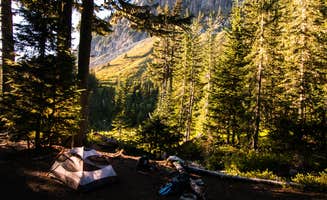
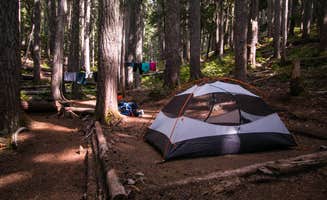
Ranger Review: Leatherman: Signal at Ohanapecosh Campground: Relaxing views of the old growth forest, however you can see every campground
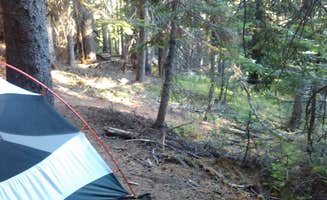
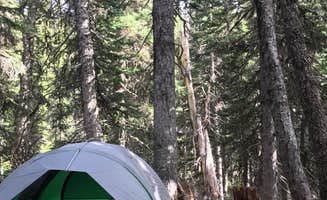
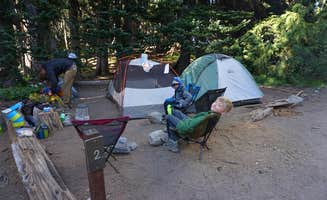
Campsite Review: This campground is really in a nice area of the old growth forest but it's camping amongst crowds when we went in the high season, the entire 188 sites were filled. There were very few walk-up sites and the rest of the campsites themselves are a decent size but not spaced far enough away from other campers and there is no underbrush to separate you from each other at all. We stayed at site 54 in loop A and had people constantly walking through/by both sides of our campsite to get to the toilets which were located on the next level higher than us. People literally walked right by our fire ring and through our chairs at one point to then hike up the hill instead of traversing around to the right for some stairs. If you can go off season by all means try and do it, but avoid this particular site at all costs…
The toilet facilities weren’t the nicest ones I’ve been to and could have used a little TLC. The facilities right by us were dirty and a bit rusty. They also had no soap or hand drying instrument what-so-ever (neither paper towels or hand dryer). Thankfully we had these things ourselves, but usually in NP campgrounds you don’t have to bring them yourself to the restroom.
Amenities: not sure if every site had one, but lots of bear boxes (you’re in bear and cougar (mountain lion) territory), your standard picnic tables, fire rings, plus flush toilets, potable water, & dump station for you RVers |Prohibited: pets off-leash, & firewood gathering (The camp host drives around selling wood if you haven’t already gotten some at a store) we came right during a fire ban, but as soon as it was removed they drove around letting everyone know. There then seemed to be a truck driving around with firewood for sale, I wasn’t able to confirm though as we were headed off to Paradise and then the Olympic peninsula.
Nearby Hikes: Grove of the Patriarchs, & Silver Falls and not too far from Paradise which is a must do if you happen to come in wild flower season
Gear Review: As a Ranger for The Dyrt I sometimes get the opportunity to test out products and the saving grace for this particular camp site was my testing of the Leatherman Signal (Designed for adventure!!). This is a truly fantastic Leatherman and even if you’ve had them for years you should really check out the newer lines of specialized gear. I had an old PST (pocket survival tool) as a boy scout and had upgraded to the original WAVE, but hadn’t checked them out in years as I still have them and thought what could be better than what I already have. I was wrong. This tool and many of the other lines (skateboarding, surfing, skiing, hunting) are also really worth checking out.
- This is designed specifically with camping in mind.
- Really impressed with the new ability to change out components from this and other tools are you wear them down.
- The hammer is great for knocking in tent stakes into some stubborn ground or breaking up that giant block of ice into some manageable pieces.
- Great locking functions on the blade, saw and hammer section - nothing comes loose as you’re cutting/hammering away
- It’s really all the little touches that make this an awesome tool. Like having a sharpener, a built-in fire starter and emergency whistle. These are things that might end up saving your life if you happen to get stranded while out in the woods.
I give the Leatherman Signal 4.5/5 Stars!


