Tent campsites near Beaver, Washington sit within Olympic National Forest at elevations ranging from sea level to 2,000 feet. The area receives approximately 100 inches of rainfall annually, creating a dense rainforest ecosystem with moderate temperatures even in summer months. Many campsites remain accessible from late April through October, though coastal camping areas can experience sudden fog and wind conditions year-round.
What to do
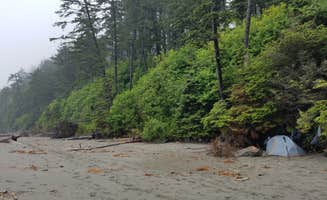
Tide pool exploration: At Second Beach, low tide reveals diverse marine ecosystems. "Lots of cool tidepools," notes Lauren E., who adds "We saw a pod of orca!!!" The beach requires a 0.7-mile hike from the parking area with diverse marine life visible during ebb tide.
Petroglyphs viewing: Native rock carvings can be found along the coastline at Cape Alava Campground. "You can see lots of wildlife and petroglyphs carved by the native people," reports Thomas B. The site requires a permit and proper planning. "Get a map and information sheet of the Petroglyphs before you go so you can enjoy this little treasure hunt!" advises Kelly G.
Hiking: The Ozette Triangle offers a 9.4-mile loop connecting coastal camping areas. "I started from my campsite at the Ozette Campgrounds and hiked out Sand Point Trail. Then I explored giant sea stacks and saw petroglyphs along the Ozette River to Sand Point Beach Travel Way," explains Kelly G. This trail system connects several beaches and camping areas with minimal elevation gain.
What campers like
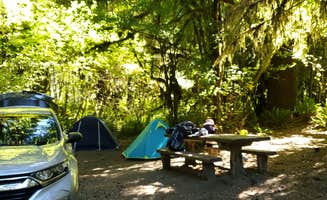
Private spaces: Many campers appreciate the secluded nature of sites at Dawleys Sol Duc River Campground. "Dawleys is a private campground that feels like a spread out state park. Lots of space at the sites and sites are spread out," writes Jenn H. This private campground offers more room than typical national park sites.
Wildlife viewing: Marine mammals and birds frequent the coastal camping areas. At Sand Point Camp Area, campers report regular wildlife sightings. "We spent our first evening mesmerized by the seals on the rocks out in front of our camp and the eagles and blue herons flying overhead," shares Megan C. Binoculars are recommended for offshore viewing.
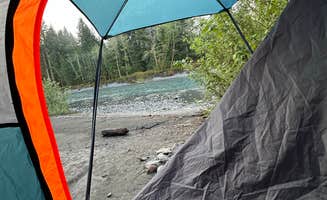
Water features: Rivers and ocean frontage create natural boundaries for many campsites. "Great camping spots river next to the river," notes Ryan O. about Dawleys Sol Duc River Campground. While at Hoh River Dispersed Camping, Julia F. found "a great spot next to river" that "feels secluded."
What you should know
Permit requirements: National Park campsites require advance permits and bear canisters. "Plan ahead! You have to get a permit in either Quinault or Port Angeles, and bear cans are required," Lauren E. advises about Second Beach. Allow extra time during peak season as ranger stations can have long waits.
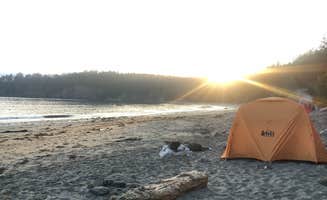
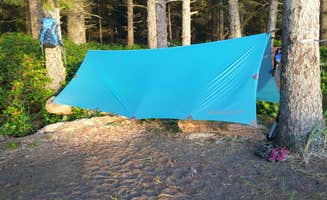
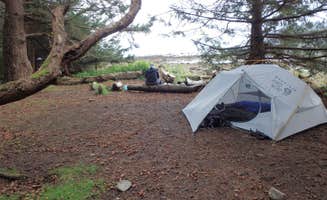
Limited facilities: Most coastal tent sites lack modern amenities. "You're set back only a few feet from the rocky beach and therefore exposed to weather coming off the ocean, so be sure to plan accordingly with tent, tarp and appropriate clothing," Thomas B. explains about Sand Point Camp Area. Water sources are limited, particularly in late summer.
Access challenges: Roads to many dispersed sites can be challenging. At Hoh River Dispersed Camping, Cassie C. notes you "need to drive over very bumpy dirt road to get to sites near river. Then need to drive over rocky road to get into sites near river." High-clearance vehicles are often necessary for river access points.
Tips for camping with families
Short hiking options: Several beaches offer reasonable hikes for children. "The Sand Point Trail is an easy 3 miles of boardwalks out to the coast with little inclination," shares Megan C., though she cautions that "boardwalks are slick as snot when wet." These shorter trails provide access to beach camping with moderate effort.
Coastal challenges: Beach terrain varies considerably and can surprise families. "While walking the beach we talked to a few parents who promised to go home and burn the books that told them the trails were easy for children, as they carried their tired children off the rocky beach," reports Megan C. about Sand Point Camp Area. Rocky sections between beaches can be difficult for younger children.
Timing considerations: Coastal sites become crowded during peak season. "I camped here the Saturday before July 4th, so I should have expected crowds... but it was raining, and didn't know enough people were as crazy as I was," writes Lauren E. about Second Beach. Mid-week visits provide more space and solitude.
Tips for RVers
Limited options: RV camping near coastal access points is restricted to certain sites. Littleton Horse Camp provides alternatives when other areas are full. "Littleton Horse Camp is on the edge of the very popular Lake Crescent area of Olympic National Park. It's hidden away from the crowds, but still super close and convenient," notes Stephanie Z.
Overflow parking: During peak season, established campgrounds fill quickly, requiring alternatives. "Like others we ended up here after checking a number of other campsites that were full," Spencer J. explains about Littleton Horse Camp. This less-known site serves as backup when primary destinations are occupied.
Road access: Forest service roads leading to RV-accessible sites vary in quality. "Since this campground is in the national forest instead of the national park, there is a lot more flexibility," Stephanie Z. mentions about Littleton Horse Camp. Forest service roads are generally well-maintained but narrower than paved highways.







 Traveler


