

T
Tim Z. Guide
Guide
GuideLeonard Harrison State Park Campground
Beautiful scenery w/Hike & Bike
Clean facilities and nice sized lots. Nature all around and extremely quiet. This place is a real price performer. Book it!
186 campgrounds · Check availability for any dates.
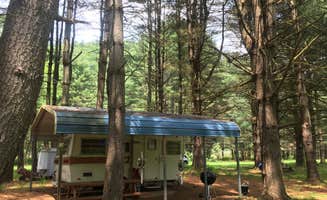
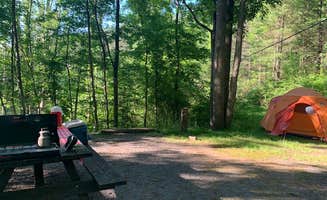
The North Bend region of Pennsylvania features several state park campgrounds within Pennsylvania's "PA Wilds" area, offering a variety of camping experiences. Kettle Creek State Park provides two distinct camping areas—Lower and Upper campgrounds—with creekside sites and reservoir views. Other nearby options include Hyner Run State Park Campground, Ole Bull State Park Campground, and Cherry Springs State Park, collectively providing tent sites, RV hookups, cabins, and some glamping facilities. Most campgrounds in this area are surrounded by dense forests and situated along waterways, with many sites featuring electric hookups and basic amenities.
Campgrounds in the North Bend area typically operate seasonally, with most open from mid-April through mid-December. Sites with electric hookups are available at all nearby state parks, though water hookups and full-service sites are limited. Many campgrounds require advance reservations, particularly for weekend stays during summer months. Road access can be challenging for larger RVs, with Upper Campground at Kettle Creek limiting RV size due to narrow turning areas. Cell service varies throughout the region, with several areas having limited or no connectivity. "One major let down is that random people walk through all of the sites along the creek. It is frustrating because all of the fire pits are right along the creek which means you constantly have people in your site."
Waterfront camping locations receive consistently high ratings from visitors, particularly sites along Kettle Creek. The region's campgrounds provide excellent access to outdoor activities including fishing, kayaking, hiking, and wildlife viewing. Several visitors mentioned encountering elk, deer, bald eagles, and occasionally timber rattlesnakes. Campers particularly value the secluded, quiet atmosphere of the more remote sites. As one visitor noted about Kettle Creek State Park, "The upper campground has a rustic feel, beautiful views and is a great location for wildlife encounters." Most campgrounds maintain clean facilities, with several reviews specifically mentioning well-maintained shower houses and bathrooms. For stargazing enthusiasts, the proximity to Cherry Springs State Park, a designated Dark Sky preserve, offers exceptional night sky viewing opportunities within a short drive of several campgrounds.
"There are nice trails all around and it is a worthwhile stop."
"Nice picnic areas and some trails. Worth the drive."
from $20 - $29 / night
Check Availability"Electric sites are available with water access to fill tanks but no water hookups. "
"Ole Bull State Park and the Surrounding  Susquehannock State Forest are breathtaking and certainly live up Potter County’s nickname of Gods Country."
from $20 - $43 / night
Check Availability"Each campsite had a fire pit and a picnic table and most had trees behind them. We stayed in a drive up site that was close to the restrooms and had a clear field near us to look up and stargaze."
"A little off the beaten path, but definitely a good find away from that light pollution and with other like minded souls!"
from $16 / night
Check Availability"The lower campground is nicely situated right next to the creek, perfect for fishing. I will say some of the sites a very tight if you have a large camper. The bathhouse was very clean and modern."
"No water on sites but bibs near by to fill campers & jugs. Cindy in Admin VERY helpful."
from $27 / night
Check Availability"Electric only but water fill up is in convenient locations. Dump station is provided. Well maintained and clean. So many outdoor activities abound."
"Very nice PA State Park Campground. 30/50A pedestals, but water is available only at scattered nearby potable hydrants to fill tanks."
from $24 - $72 / night
Check Availability"Easy access to camp ground. The check in process was just to drive to the site and set up which was different but very easy. The sites are private on the sides with some green space to play on."
"If you are not the camping type you can stay at the Nature Inn and enjoy the beautiful lodge in an amazing location! Definitely tops on our list of state parks in Pennsylvania!"
from $22 - $62 / night
Check Availability"The upper campground has a rustic feel, beautiful views and is a great location for wildlife encounters."
"It would be nice if the DCNR added some walk/hike-in sites, or even Adirondack shelters along the long-distance Donut Hole Trail that cuts through the park south of the dam.)"
from $18 - $25 / night
Check Availability"Step inside to view elk bear birds and other wildlife! Learn about the building of the dam and the early days of the CCC camps."
"There are a few nice scenic trails that go to the lake and through the woods. Some are kid bike friendly. The nature center is great! Kid friendly and fun!"
from $22 - $29 / night
Check Availability"The site itself was fairly uneven and rocky so we had to always use caution when walking around the site but it added to the rugged experience."
"The rustic section was located around a large loop with each site ranging in a few feet from the car-friendly loop to about the 50 foot walk where our site was located."
from $16 - $18 / night
Check Availability"It is my escape away from technology and my time to be one with nature."
"Absolutely beautiful well kept campground situated between Pine Creek and the rail trail! Great facilities...there's even glamping tents!"
from $30 - $100 / night
Check Availability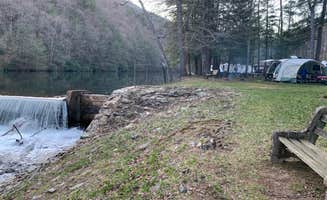









 Guide
GuideClean facilities and nice sized lots. Nature all around and extremely quiet. This place is a real price performer. Book it!

 Scout
ScoutThis campground is nothing as stated in the reviews. And now I know why. The one review on here besides mine is from the owner. The bathrooms are not clean. I was told for Labor Day weekend I could stay for two nights had reserved and all. They then abruptly cancelled my reservation and took three days to respond and say I could have a different cabin and tent sight but would need to stay three nights because of the holiday. They also charged a cleaning for a service pet which is not legal. We then showed up and were the only people staying that weren’t seasonal site people and very not welcomed. The first comment made was here come the weekend warriors. We look at the cabin which was ironically filthy and covered in mouse poop yet we got charged a cleaning fee. The grass was not mowed the porter potty’s so gross bugs are crawling in the bottom. The camp store was closed during the car show they had and when we asked when it will be open they stated it will not. It was 1 pm on a Saturday. The reservation process was unorganized. The playground was not mowed or weed whacked and a slide is ratchet strapped together. I would not recommend this place to anyone.

 Traveler
Great central location for exploring the area. Includes some of the darkest skies around for stargazing which was a plus for me. Staff and owners were very great! Highly recommend for a short or a long stay.
 Traveler
Great campsite nestled right against Slate run. Plenty of trout right next to camp that I could catch. No cell service which was also a plus.
 Scout
ScoutOnly one pull in spot but we made do and it was lovely. Perfect for a place to rest when passing through.
 Guide
GuideIts was great, we stayed in new area, sites had ample room, not many trees at our spot so summer there wouldnt be much shade but we were next to a retention pond/drainage. We brought our dig whole loved running through there.
Not much to say besides it was clean, not crowded (in November) and decent spacing between sites
GuideIt was overall good, Nice amenities, pool was clean (3ft-5ft) Splash pad, air pillow, playground, pond, etc
It has nice wooded areas but very compact, if you have a large camper id be concerned with trying to make some turns on the upper area
 Guide
GuideStayed for 2 nights with my pup. Nice, private, walk up tent sites maybe 50 yards or so from the road. Didn’t find too much to do trails wise at the campground but the pond nearby has some lovely views and the park across the bridge has a nice beach for swimming.
 Ranger
Fabulous campground, off the beaten path. Stayed here 2 nights and enjoyed walking to the beach and hiking some of the extensive trail system. Campsites are well spaced and private. Although most are on on a slight hill, our parking spot was level and it appeared most others were as well.
North Bend camping is characterized by dense forests at elevations between 700-900 feet with multiple waterways cutting through valleys. Summer temperatures typically range from 75-85°F while night temperatures can drop below 50°F even in summer months. Sites along creeks remain in high demand, often requiring reservations months in advance for weekend stays.
Kayaking access points: Most campgrounds offer direct water access to creeks or reservoirs. At Ole Bull State Park Campground, sites along Kettle Creek provide easy launch points. "We set up camp at a site along Kettle Creek, and we saw half a dozen campers walking back to their sites with trout caught within walking distance," notes Andrew C.
Stargazing opportunities: The region sits near Pennsylvania's Dark Sky preserve. Cherry Springs State Park Campground offers optimal viewing conditions on clear nights. "We camped in a drive up site that was close to the restrooms and had a clear field near us to look up and stargaze," reports Taylor K. Even if you stay elsewhere, the night skies are worth a special trip.
Wildlife viewing locations: Several park observation areas provide chances to spot native species. "The park staff was knowledgeable and super friendly. Tracy answered my sister's 500 plant identification questions with cheerful patience. Will definitely be back. And we saw a bear!" writes J K. about their experience at Sinnemahoning State Park.
Secluded tent sites: Many campers prefer the more isolated sites for privacy. At the Upper Campground of Kettle Creek, one reviewer found their perfect spot: "When a loud, disrespectful family set up nearby that first night for a long weekend, we spoke with the camp host (helpful, amenable Jim), who suggested we ask about site 71, the most removed of all the sites."
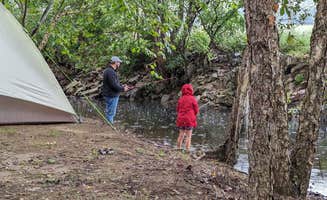
Creekside camping: Sites along water consistently receive top ratings. "We stayed at site 8 which is creekside. It was a large, beautiful site and the sound of the burbling water lulled us to sleep every night," writes Danielle S. about Hyner Run State Park Campground.
Clean facilities: Most campgrounds maintain modern bathhouses. At Lyman Run State Park, the facilities receive particular praise: "Bathrooms are newer with a nice, new system for 'composting' I guess. No odor at all. And nice and clean," notes Peggy S.
Road access limitations: Many sites have restrictions for larger vehicles. The primitive camping areas offer better seclusion but challenging access. "It's a bit of a drive to Primitive Campground on not so good road, but worth it, I think," notes Rebecca E. about Bald Eagle State Park Primitive Camping Area.
Wildlife safety considerations: Campers should be prepared for wildlife encounters, including potentially dangerous species. "The only downside to the area is the quantity of timber rattle snakes that we encountered, one at our site and one in the woods nearby. Something to keep in mind if you have pets or small children," warns one visitor to Hyner Run.
Connectivity issues: Cell service is limited or non-existent throughout much of the region. "There is zero cell service/WiFi at the park, or for at least 5-10 miles from it," notes a Sinnemahoning State Park visitor. Some campers see this as a benefit, with a Lyman Run visitor commenting, "No cell service, so you really get to get away from everything."
Playground access: Several campgrounds offer play equipment within walking distance of campsites. "The playground was right next to our site which is great if you have kids. It is right next to the water and the site has electric," mentions a reviewer at Lower Campground of Kettle Creek State Park.
Educational opportunities: Sinnemahoning State Park Campground offers excellent learning activities. "Adults and Children alike will love the park office / Wildlife Center at Sinnemahoning State Park. Learn about this buildings green construction (LEED)geo thermal heat, rain water harvesting system, recycled materials and more!" recommends Paula L.
Biking loops: Kids enjoy the safer cycling options within campground perimeters. "My kids love riding their bikes here. There are a few nice scenic trails that go to the lake and through the woods. Some are kid bike friendly," shares Amber N. about Sinnemahoning State Park.
Site selection guidance: RVers should check site dimensions and terrain before booking. "Long campers up to that size should use south loop of lower campground. Large reservoir lake part of park 3 mi up from lower campground for more fishing/kayaking/electric trolling motors," advises an experienced camper at Lower Campground — Kettle Creek State Park.
Hookup availability: Electric sites are common, but water and sewer connections are limited. "30/50A pedestals, but water is available only at scattered nearby potable hydrants to fill tanks. One is available right at the campground entrance adjacent to the dump station," explains Joel D. about Little Pine State Park facilities.
Turning radius challenges: Several campgrounds have difficult access for larger rigs. "40 ft max campers due to space/turning constraints. Not for class A rigs," notes a visitor about Lower Campground at Kettle Creek, emphasizing the importance of checking site specifications before arrival.
Frequently Asked Questions
What camping is available near North Bend, PA?
According to TheDyrt.com, North Bend, PA offers a wide range of camping options, with 186 campgrounds and RV parks near North Bend, PA and 2 free dispersed camping spots.
Which is the most popular campground near North Bend, PA?
According to TheDyrt.com, the most popular campground near North Bend, PA is Hyner Run State Park Campground with a 4.6-star rating from 5 reviews.
Where can I find free dispersed camping near North Bend, PA?
According to TheDyrt.com, there are 2 free dispersed camping spots near North Bend, PA.
Keep Exploring