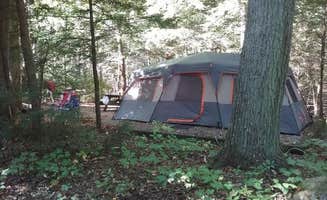
Tent camping opportunities around Mansfield, Pennsylvania extend beyond established campgrounds to numerous dispersed sites in the surrounding state forests. The region sits within the Allegheny Plateau at elevations ranging from 1,300 to 2,000 feet, creating varied terrain and microclimates. Forest campsites typically receive 42-48 inches of annual precipitation, with summer temperatures averaging 65-85°F during peak camping season.
What to do
Hiking elevated trails: Turkey Path Trail in Colton Point State Park offers challenging terrain with significant elevation changes. "Incredible views, nicknamed the Grand Canyons of Pennsylvania," notes Gary O. about Colton Point State Park Campground.
Paddling Pine Creek: Access the water from multiple points along the gorge for kayaking and canoeing. "Amazing driftwood to be had. Good kayaking. Peaceful. Trees," shares Rebecca E. from Lawrence Recreation Area.
Bike the rail trail: The Pine Creek Rail Trail runs 62 miles through the gorge with gradual grades suitable for most cyclists. "You can connect to the West Rim Trail if you'd like," suggests Emily S. about trails near Colton Point.
What campers like
Secluded riverside spots: Sites along Pine Creek offer privacy and water access. Julian S. mentions Tiadaghton Campground has a "nice water front view" though notes it can get busy with cyclists.
Natural surroundings: Unspoiled forest settings provide authentic outdoor experiences. "Roadside site 1/4 mile from the nearest site. You can drive right to the site on Hackett Rd. Very secluded and peaceful," reports David A. about dispersed camping in Tiadaghton State Forest.
Budget-friendly options: Most forest campsites require minimal fees compared to developed campgrounds. Bruce H. describes Riverside Acres Campground as "a modest sized campground in a great spot. The river in front of first row sites is 200 m broad. Eagles fish here. You can too."
What you should know
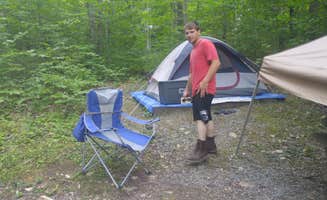
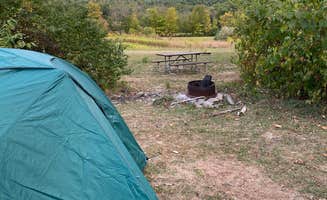
Primitive facilities: Many forest sites have minimal or no amenities. "Picnic table and fire ring, but no water or latrine," notes David A. about Tiadaghton State Forest campsites.
Seasonal operation: Most campgrounds close during winter, with typical season running April through October. Gardner Hill Campground operates year-round according to their listing data.
Vehicle access considerations: Forest roads can be challenging without appropriate vehicles. Julian recommends "4 wheel drive vehicles to drive to site, steep dirt roads to access it" at Tiadaghton Campground.
Variable drinking water access: Not all sites provide potable water. While Colton Point offers drinking water, many forest campsites require bringing your own supply.
Tips for camping with families
Choose appropriate campsites: Some walk-in sites require carrying gear distances that may challenge younger children. Sadie S. advises about Colton Point: "I love the walk in sites. They take a small hike so don't over pack!"
Pack weather-appropriate gear: The plateau region experiences rapid weather changes, with afternoon thunderstorms common in summer. Temperature drops of 15-20°F overnight are typical even in July.
Plan activities strategically: Morning hours provide cooler hiking temperatures on exposed trails. "It's a rougher climb but you follow a small stream filled with waterfalls down into the canyon," explains Sadie S. about Turkey Trail at Colton Point State Park.
Tips from RVers
Size restrictions apply: Many forest roads have width and clearance limitations. Most primitive sites accommodate smaller RVs under 25 feet only.
Limited hookup availability: Full hookups are scarce in forest campgrounds. Avery R. notes that Gardner Hill Campground is "no frills but very comfy and nice views."
Leveling challenges: Forest campsites often feature uneven terrain. Bring leveling blocks and stabilizers for comfort on primitive sites.








 Scout
Scout


