Camping options near John Day Lock and Dam on Lake Umatilla cover a 40-mile stretch along the Columbia River at approximately 285 feet elevation. Summer temperatures regularly exceed 90°F with strong winds that create challenging conditions for tent campers. The region combines high desert terrain with riverfront access, offering both free primitive sites and established campgrounds with varying levels of amenities.
What to do
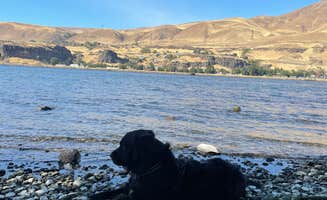
River recreation access: LePage Park Campground offers a designated swimming area at the confluence of the Columbia and John Day Rivers. "There is a really large beach and roped off swimming area, as well as a boat ramp, dock for fishing, and trails for hiking," notes one visitor who found the park ideal for water activities.
Fishing opportunities: Multiple access points exist along the riverfront where anglers can set up for the day. "Gorgeous but beware of goat-heads! This is a gorgeous camping spot along the confluence of the Columbia River and the John Day River. It is perfect for fishing, boating, and general family fun," warns one camper about the puncture vine hazards at LePage Park.
Hiking trails: Cottonwood Canyon State Park provides several trail options including the Pinnacles Trail that follows the John Day River. "We did the Pinnacles Trail and Lost Corral Trail. Both of these hikes were 'moderate/difficult.' They were both a little over 8 miles roundtrip. The scenery is gorgeous on both hikes- you follow along the river," explains a hiker who visited the park.
What campers like
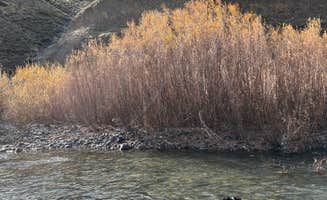
Scenic river views: Many campsites offer direct views of Mount Hood and the Columbia River. At Avery Recreation Area, campers appreciate the waterfront location: "Great spot right on the shores of the Columbia River. There's a pit toilet, and a garbage dumpster on-site. Over half the 'sites' are right on the water, while the others are less than 50 feet away."
Desert stargazing: The lack of light pollution makes for excellent night sky viewing. A visitor to Sherman County RV Park reported: "Amazing little place with the nicest people. Clean and comfortable restrooms/showers. Beautiful night sky. 10/10 recommend. Adorable tiny town. Maybe our favorite campground of our whole trip."
Wildlife viewing: Bird watching opportunities abound with eagles, hawks, and waterfowl common in the area. At LePage Park, one camper shared: "It gets dark enough for night photography and there are always plenty of eagles and hawks for bird watching."
What you should know
Train noise: Most riverside campgrounds experience significant train disturbance. At Deschutes River State Recreation Area, a camper observed: "Great park...clean, easy access, good hiking, good fishing, beautiful scenery, sites are flat and not jamb packed. Only problem is trains go by at night and blow their noisy, loud horns. Suggest camping at the back of the park."
Wind conditions: Strong winds can cause tent damage and create challenging camping conditions. "Do not fall prey to a river view spot! There are no trees to provide shade or protection from the wind! There are burn marks on my tent from the polls rubbing together," warns a visitor to Memaloose State Park.
Limited facilities: Many primitive sites lack potable water. "The water is unsafe to drink unless it is boiled first for five minutes," notes a camper at Giles French Park, who was surprised by the water quality issues.
Tips for camping with families
Choose developed sites: For families, Memaloose State Park offers the best amenities despite highway proximity. "This campground was situated in a great area with short drives to nearby hikes. It was family-friendly and felt very safe. Some of the lower sites had views of the water which was lovely," explains a family who stayed there.
Morning activities: Schedule water activities before afternoon winds intensify. At Cottonwood Canyon, a camper observed: "We were there during a full moon and it lit up the whole campground which was pretty spectacular. We also hiked the Pinnacles Trail which follows the John Day River. Gorgeous hike."
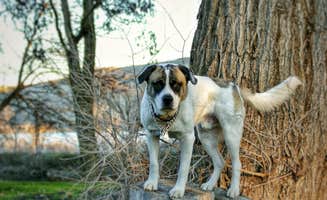
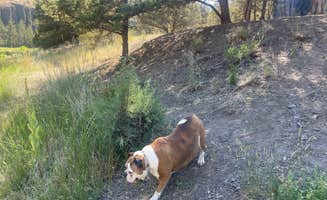
Pet protection: Pack thick-soled dog booties to protect against goatheads (puncture vine). A camper at LePage Park advised: "Make sure to bring thick water shoes as the goat-heads have taken over!!!"
Tips from RVers
Seasonal closures: Many parks close during winter months. At Rufus RV Park, visitors discovered: "Big sign says closed right now," during a January visit, as the park operates only from April through October.
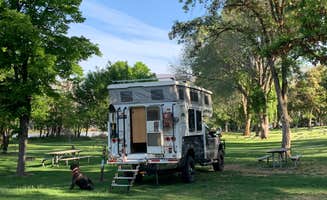
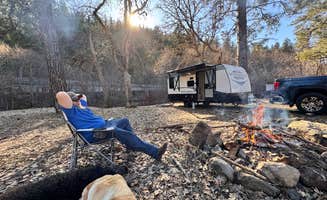
Level sites: Most RV sites throughout the region are on gravel with minimal shade. One RVer at Rufus RV Park noted: "Level pull-through sites with gravel and well-kept grassy areas in between. Modern bath house and laundry area. Lots of potted flowers. Dog-walking area."
Hookup variations: Check if water and electric are available at specific sites. A camper at Deschutes River State Recreation Area explains: "We've only stayed in the 'T' loop, at the back of the campground... Most A loop campers were in RVs... A loops has more trees, so I would suggest staying there when possible as it gets hot in the summer."












 Traveler