Crater Lake campgrounds sit at elevations between 4,000 and 7,000 feet, creating significant temperature variations even in summer months. Nighttime temperatures can drop into the 30s during July and August, requiring campers to pack warm sleeping gear regardless of season. Forest Service lands surrounding Crater Lake National Park provide numerous camping options beyond the park boundaries.
What to do
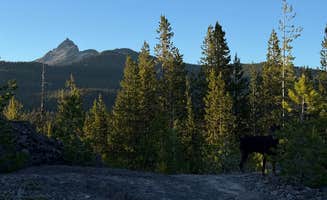
Hiking network access: At Mount Thielsen Wilderness, campers can access multiple trails directly from campsites. "The trails were pretty cool. Not tons of trails, but enough to explore," notes James W. The area connects to longer routes for extended day hikes.
Fishing opportunities: Broken Arrow Campground offers excellent fishing access near Diamond Lake. "Nice large campground with paved roads and parking pads," reports Dexter I. Fishing spots are particularly productive in the northern section of the campground where the shelf drops off into deeper water.
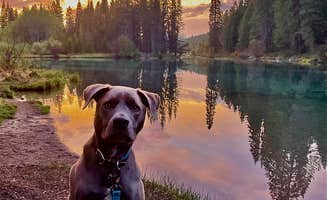
Lake activities: Winter recreation transitions to summer water sports at many sno-parks. "This campground had beautiful lake views, access to bathrooms and showers, and ice cream and firewood just a walk or bike ride away," writes Macy G. about Diamond Lake Campground. The area supports paddling, swimming, and shoreline exploration throughout summer and early fall.
What campers like
Cell coverage availability: Some dispersed sites offer surprisingly good connectivity. At NF-70 Dispersed Camping, one camper reports, "Even got 3 bar TMobile 5g at the site a mile or so up the road on the left." This makes these sites practical for remote workers or those needing to stay connected.
Shelter access: Some sno-parks maintain warming shelters useful year-round. "There is a huge lot that would fit many RVs, easy turnaround and plenty of room to spread out," explains Laura M. about Thousand Springs Sno-Park. "There are restrooms and a really nice warming room, with firewood and wall plugs."
Water quality: Natural springs create exceptional water features at certain campgrounds. "This campground is one of my favorites and is home to a beautiful crystal clear natural spring," notes Brittney G. about Jackson F. Kimball State Recreation Site. These springs maintain consistent temperatures year-round, even when surrounding areas experience freezing conditions.
What you should know
Insect preparation: Mosquitoes remain the biggest challenge throughout the camping season. "We stayed in Broken Arrow with our Scouts in July of 2021 and found it surprisingly cool at night for it being July. Temps dropped in the the low 30's both nights," explains Dexter I. Cold temperatures don't necessarily reduce mosquito activity.
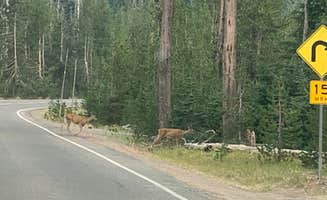
Wildlife encounters: Bears frequent certain campgrounds, particularly those without proper food storage. One camper at Jackson F. Kimball State Recreation Site reports: "We had a toddler and weren't willing to stick around to see how much more friendly he could be. My problem with this campground is the lack of proper bear boxes and trash cans."
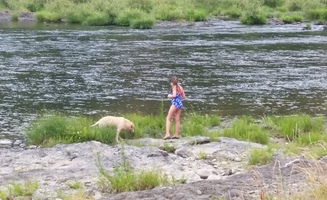
Water access variability: The creek depth and accessibility varies significantly by season at Union Creek Campground. "The path to the river, led right to a private sand bar in a slow moving part of the river. Great for families," notes Ashley B. Accessing water points requires planning at certain campgrounds where water and trash facilities may be distant from campsites.
Tips for camping with families
Bike-friendly options: Several dog friendly campgrounds near Crater Lake feature bike-friendly layouts. "The park is so large with many roads and paths that just walking around the park was great. There were also several people and kids riding their bikes around, I definitely recommend bringing bikes," suggests Ashley B. about Union Creek Campground.
Kid-friendly water access: Look for campgrounds with graduated water entry points. At Farewell Bend Campground, Jamie notes: "The actual site was very nice, spacious, easily accessible, and set up well. My 5 year old was thrilled that we saw a wild rabbit! Nice, quiet, very boat friendly place."
Off-peak timing: For pet-friendly camping near Crater Lake with fewer crowds, consider shoulder seasons. "We were on our way to Crater Lake later in the evening, decided to stay here before making the trip to Crater Lake at 5 am to catch the sunrise," explains Jeni N., highlighting how off-peak timing creates better experiences with pets at popular sites.
Tips from RVers
Dump station alternatives: Limited dumping facilities near Crater Lake require planning. Ray & Terri F. recommend preparation when staying at NF-70: "We are full-timers and have a 36 ft Class A with a Cherokee Trailhawk tow and had scouted the area before arriving with the RV." They note satellite screenshots help since cell service can be unreliable.
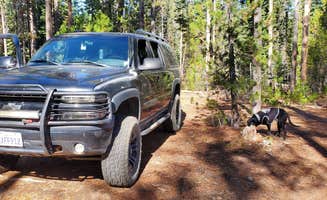
Leveling requirements: Many dispersed sites require careful positioning for larger rigs. "NF-70 is gravel and in pretty good shape, i.e., no potholes, but is heavily washboarded. This wasn't an issue for the Cherokee, but with a stiffer suspension, I had to limit the RV speed to less than 7 mph to keep from shaking it apart," cautions one reviewer about approaches to dispersed camping areas.
Overnight alternatives: When dog-friendly campgrounds near Crater Lake fill up, sno-parks provide reliable options. "We drove to Mazama campground only to be told and they had just filled their last spot but that there was free overnight parking 18 minutes in each direction either by thousand springs snopark or Annie's," shares Amanda K., highlighting the importance of backup plans with pets.









 Legend


