Fort Gibson Lake offers 19,900 surface acres of water surrounded by 225 miles of shoreline in eastern Oklahoma. Summer temperatures average 90°F with high humidity, while spring and fall camping seasons provide milder weather in the 70s. The lake sits at an elevation of 582 feet and connects to both the Grand River and Illinois River watersheds, creating varied camping environments from riverside tent spots to lakeside clearings.
What to do
Fishing opportunities: Fort Gibson Lake supports largemouth bass, white bass, crappie, and catfish populations. Anglers at Horseshoe Bend Primitive Public Use Area find productive fishing along the Illinois River. "We got some fishing in too," reports one camper, while noting "dirt road was rough" accessing the prime fishing spots.
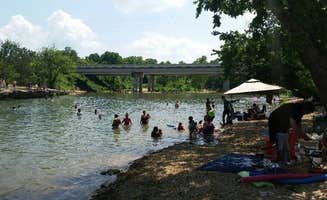
Water activities: Swimming and kayaking are popular during summer months when water temperatures reach the mid-80s. "The lake was perfect for kayaking," notes a visitor at Eagles Point, adding "the water was really clean and clear." The clear water conditions make this spot appealing for water recreation.
Wildlife viewing: The shorelines provide habitat for numerous bird species. A camper at Horseshoe Bend Primitive Public Use Area describes it as "a bird watcher's paradise," where they spotted "multiple species of Oklahoma's woodpeckers, some birds of prey, and many songbirds."
What campers like
Sunrise views: Several tent campsites near Fort Gibson Lake offer eastern exposures for morning views. A visitor to Jackson Bay Recreation Area noted the "beautiful view over the lake at sunrise" as a highlight of their stay at this free campground.
Secluded spots: Many tent camping areas around Fort Gibson Lake provide isolation from crowds. Campers report finding empty sites even during peak season. One visitor found Hickory Flats "quiet as there weren't many campers there that night where we were," allowing for a more peaceful experience.
Easy site access: Several campgrounds feature level, well-arranged sites. A camper at Sequoyah Bay State Park Campground appreciated that "this campground has easy, level sites at a nice angle, so you aren't facing right at the back of someone else's trailer."
What you should know
Road conditions: Access roads to primitive camping areas vary significantly. The approach to Horseshoe Bend features steep terrain that becomes challenging after rain. Another camper noted that while the "dirt road was rough, a camaro managed to get through somehow the morning we left."
Limited amenities: Most primitive tent campsites near Fort Gibson Lake lack facilities. Jackson Bay Recreation Area provides basic features but, as one camper noted, "only drawback I wish there were trash cans or even just a big dumpster," reinforcing the pack-in/pack-out requirement.
Camping status changes: Check current regulations before planning a trip. At Horseshoe Bend, a camper reported being "politely told by a game warden the next day that, though it used to be open for that, it is no longer allowed" for overnight camping despite signs indicating tent camping.
Tips for camping with families
Nature center activities: Tenkiller State Park near Fort Gibson Lake offers educational opportunities. A visitor to Hickory Flats mentioned they "checked out the nature center, the main hikes and of course some good old campfire fun," making it suitable for family outings.
Playgrounds and facilities: Several established campgrounds provide amenities for children. Tenkiller State Park includes "playgrounds, nature center, gift shop" according to one review, offering entertainment options beyond water activities.
Safety awareness: Parents should note potential natural hazards. A camper at Eagles Point warned that despite excellent facilities, "be aware rattlesnakes also enjoy the area," suggesting extra vigilance with children.
Tips from RVers
Site angles: RV campers appreciate thoughtfully designed campgrounds. At Sequoyah Bay State Park, sites are positioned "at a nice angle, so you aren't facing right at the back of someone else's trailer," creating better privacy between camping neighbors.
Waterfront access trade-offs: Some premium waterfront RV sites require additional maneuvering. A camper noted "some sites near the water that looked tricky to get into, but you'd be right by the water, so that's the trade-off," suggesting weighing convenience against location.
Dump station access: For longer stays, accessible dump stations become important. Sequoyah Bay State Park provides "dump sites easy to manage" according to one visitor, who found the "host was friendly and helpful" with facility information.






 Legend


