Chickasaw National Recreation Area spans 9,888 acres of protected land in south-central Oklahoma, featuring a unique transition zone where the eastern woodlands meet the western prairies. Average summer temperatures reach 94°F with winter lows around 32°F, creating year-round camping possibilities. Water levels at Lake of the Arbuckles fluctuate seasonally, affecting shoreline campsites during spring rainfall.
What to do
Hiking through diverse ecosystems: Multiple trails connect camping areas to key attractions including the Buckhorn Trail at The Point Campground, where you can explore well-marked paths. "The Buckhorn trailhead is right in the campground, so easy access to hiking. Trails are well marked and not too difficult," notes a visitor who appreciated the convenient trail access.
Winter fishing opportunities: Seasonal trout stocking makes Blue River Campground a popular destination during colder months. "Stayed during Thanksgiving, after Blue River was stocked with Trout, fishing was awesome. Great family camping and fishing," reports a camper who visited during the off-season. The campground requires an Oklahoma fishing license even for non-anglers.
Waterfall exploration: Beyond the main attractions, smaller cascades and rock formations create natural water features throughout the area. "There are trails back there that take you up the creek above the waterfall. It's a big area," mentions a Turner Falls visitor who discovered less-traveled paths. Many of these smaller falls have fewer visitors during weekday mornings.
Educational programming: The Travertine Nature Center hosts regular wildlife presentations focusing on local species adaptations. "Great educational programs on nature and Native American history," shares a camper who participated in ranger-led activities during their stay at Buckhorn Campground.
What campers like
Clear water quality: Unlike many Oklahoma lakes with red-brown water, Lake Murray offers exceptional visibility. "Green/blue waters that were clear enough to see the tip of my paddle when stuck straight down 4-5 feet," describes a visitor at Buzzards Roost who was surprised by the water clarity compared to other state lakes.
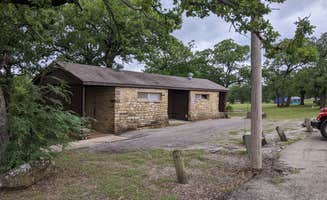
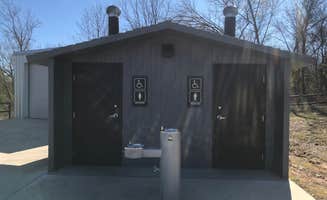
Well-maintained facilities: Campground infrastructure receives regular attention throughout the recreation area. "The bathrooms and showers were very clean, which was a really nice surprise!" reports a camper at Buckhorn Campground who appreciated the amenities during their family trip.
Wildlife viewing opportunities: Dawn and dusk bring increased animal activity near campsites. "When the sun starts setting the wildlife start to appear. 3 deer passed right by our campsite with no fear," notes a visitor at The Point Campground who enjoyed the natural encounters without leaving their site.
Secluded tent sites: Walk-in camping areas provide more privacy than RV sections. "The tent sites are walk-in, not too far from the parking spots. Each are pretty secluded and quiet," explains a camper at The Point who preferred the tent camping area's atmosphere compared to the busier RV sections.
What you should know
Reservation requirements: Peak season demand requires advanced planning for premium sites. "I tried to reserve a site online but they were ALL booked (Memorial Day Weekend)," shares a camper who eventually found availability at Marietta Landing when other areas were full.
Campsite leveling challenges: RV campers should bring leveling equipment to some areas. "The site is VERY unlevel! We were in a pop up camper and had one tire up off the ground at least 6 inches with our Baleveler," warns a Buckhorn Campground visitor who struggled with their setup.
Cell service limitations: Communication technology functions poorly in parts of the area. "There is NO cell or internet signal other than one sweet spot by the bathrooms," mentions a camper at The Point who discovered the limited connectivity during their four-day stay.
Wildlife precautions: Native fauna includes potentially surprising species. "Watch for creepy crawlies; I had no idea they had tarantulas," cautions a visitor to The Point Campground who encountered unexpected wildlife during their stay.
Tips for camping with families
Playground proximity: Select campsites near recreational facilities for convenient access. "There are great camper and RV sites with electricity. The bathrooms are modern but could be kept a little cleaner," advises a visitor to The Point who found the overall family amenities satisfactory despite minor cleanliness issues.
Swimming safety: Water entry points vary significantly between campgrounds. "Swimming is amazing, you can play in springs and waterfalls. Nice wooded and private campsites," recommends a camper who enjoyed the natural water features with their group at Buckhorn Campground.
Quiet time enforcement: Noise levels fluctuate based on weekend vs. weekday visits. "The energy was much calmer and quieter. We walked around to found the best site for us," explains a family who visited The Point during a holiday weekend but still found peaceful areas away from crowds.
Food storage practices: Local wildlife has adapted to campground environments. "The raccoons can be aggressive, keep your food put up in your car or a cooler and throw away your trash nightly unless you want to pick it up in pieces the next day," warns a Blue River Campground regular who learned this lesson firsthand.
Tips from RVers
Generator hour restrictions: Power management requires planning at certain campgrounds. "The generator hours are 7AM-9AM, 7PM-9PM. We didn't hear a single generator over our 4 days there," reports a visitor to The Point who appreciated the quiet atmosphere created by these rules.
Water connection length: Bring extended hoses for certain sites. "We didn't realize we would need 50 feet of hose just to hook up to the water," advises a camper at Lake Murray's Elephant Rock Campground who was surprised by the distance between their RV pad and the water connection.
Site selection strategy: Consider positioning in relation to amenities and noise sources. "If I were to return, I would chose a site in the area with back in camping. Although these sites aren't on the water and are closer together, they are at least set off of the road and would be quieter," suggests a visitor to Tipps Point who found roadside sites too noisy for their preference.








 Guide
Guide


