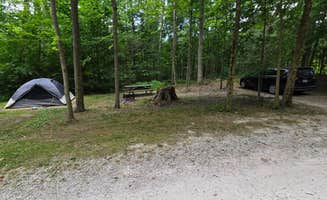
Primitive tent camping near Hartville, Ohio occurs primarily on flat grasslands surrounded by mixed hardwood forests at elevations between 1,000-1,200 feet. The region experiences four distinct seasons with summer temperatures averaging 75-85°F during peak camping months. Most dispersed camping areas require visitors to pack out all trash and follow local fire regulations during dry periods, particularly August through early October.
What to do
Trail exploration: Connect to the Ohio & Erie Canal Towpath directly from Rivers Edge Camping Area. This location serves as a strategic basecamp for cyclists. "Only 12 minute drive over to Pro Football Hall of Fame," mentions Whiskey B., highlighting nearby attractions beyond natural areas.
Christmas tree farm wandering: Explore seasonal operations at Heritage Farms between camping sessions. "It's hard to not give it any lower than 5 stars when you literally camp within a Christmas tree farm. It's a dream," notes Brady R. The working farm offers unique agricultural tourism opportunities not found at standard campgrounds.
Bird watching: Document diverse species throughout the camping season. The West Woods offers exceptional birding opportunities near camp. "TONS OF BIRDS you will hear them all day long and see all sorts of different kinds," reports Zachary A. Spring migration (April-May) provides the most diverse viewing opportunities.
What campers like
Sunset viewing spots: Select elevated campsites for optimal evening views. "Our shelter site was just next to the gravel parking area and overlooked the farm as well as had a great view of the sunset," notes a visitor to Heritage Farms. Several sites throughout the region offer unobstructed western exposures.
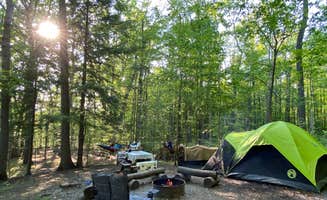
River proximity: Choose waterfront sites for ambient sounds and fishing access. "Right alongside the river with a picnic table and firepit," notes Whiskey B. about Rivers Edge Camping Area. Most riverside sites maintain at least 15 feet from water edges with gentle slopes for access.
Clean facilities: Expect well-maintained portable toilets at most primitive sites. "The porta potty was very big, clean and had hand sanitizer!" reports Rebecca K. about Rivers Edge. At Pioneer Trails Tree Farm Campground, one camper noted "Clean bathroom. Office to charge electronics and a campsite with firepit was great."
What you should know
Site access logistics: Prepare for gear transportation at walk-in sites. "You park near the front of the campgrounds to check in, and then you are provided wagons to carry your gear to your site," explains Abbey E. at Heritage Farms. Site distances from parking areas range from 100 yards to nearly half a mile depending on location.
Limited water availability: Plan water supply carefully for primitive camping. "No drinking water available, so plan a head from nearby sources," advises a camper at Rivers Edge. At The West Woods, there's "No bathroom (about a half mile of trail away), no water, no picnic table."
Reservation requirements: Check booking timelines before arrival. "Reservations must be made 3 days in advance, so no spur of the moment get aways," notes Jen L. about The West Woods. Most sites operate on first-come systems with limited spots available during peak summer weekends (June-August).
Tips for camping with families
Kid-friendly terrain considerations: Assess site topography for safety concerns. At The West Woods, one site is "In near a slope which leads to the river, which the kids loved but younger kids might find dangerous." Choose sites with gradual terrain for families with children under 8.
Entertainment options: Utilize farm settings for unique family activities. At Pioneer Trails Tree Farm Campground, "The trees were quite the entertaining experience for the kids," according to Andrew O. Several agricultural camping venues offer seasonal programming for different age groups.
Group facilities: Utilize purpose-built group sites for larger family gatherings. Hidden Hollow Camp provides "excellent [facilities] with a large clubhouse with kitchen," according to Joel C., making it ideal for "group camping" with extended family or multiple families traveling together.
Tips from RVers
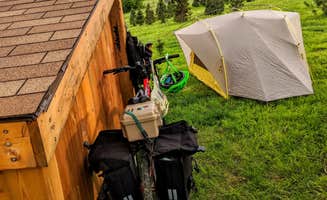
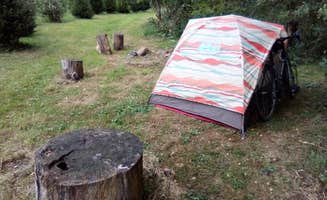
Size restrictions: Limited vehicle capacity at most tent-focused campgrounds. The region primarily supports small to medium tents rather than large RVs. "These sites are specifically designed for hikers/cyclists. Camping is dispersed in a small grassy field... There is room for maybe 6-8 small backcountry tents," notes a camper about Rivers Edge.
Alternative overnight options: Consider cabin rentals when tents aren't practical. Several properties including Valley Overlook offer rustic cabin alternatives to tent camping during inclement weather periods. These typically require earlier reservations and cost $20-40 more per night than comparable tent sites.







 Guide
Guide


