Tent camping in the Pisgah National Forest region offers backcountry experiences across varied terrain from 2,000 to 6,000 feet elevation. The region receives significant rainfall throughout the year, creating numerous streams and waterfalls that flow through camping areas. Summer temperatures often reach the 80s during day hours while dropping into the 50s overnight at higher elevations.
What to do
Mountain biking access: The Bike Farm provides direct trail access from campsites. "The trail system is awesome. It's super nice being able to bike straight from your camp and go ride," notes one camper at The Bike Farm.
Waterfall exploration: Several camping locations serve as bases for waterfall hikes. A camper at Pisgah National Forest Dispersed shared, "We were able to hike into Catawba Falls!" Sites along forest service roads provide starting points for multiple waterfall treks within 1-5 miles.
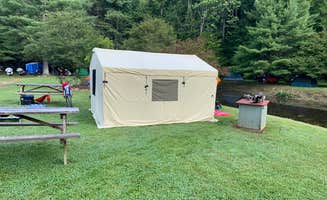
River activities: Many sites feature access to cold mountain streams. At Blue Ridge Motorcycle Campground, one visitor mentioned, "This campground is in a lovely location, right on a small creek/river. The grounds are well maintained and grass covered for the most part." These streams provide cooling spots during summer months when temperatures climb into the 80s.
What campers like
Privacy between sites: The spacing between campsites receives consistent praise. At Jones Gap State Park Campground, a camper noted, "Unlike other state park campgrounds, each spot is about a quart mile from the next, so you feel like you have the mountain to yourself."
Natural soundscapes: Streams and rivers create natural white noise at many campsites. "I tented along the river and the only thing you could hear was the river. Great sleeping conditions," shared a visitor at Blue Ridge Motorcycle Campground.
Off-grid experiences: Some sites offer completely unplugged camping. Paradise Ridge Permaculture provides a true rustic experience: "We are completely off grid, so no running water but I do provide drinking water, no electricity but just enough solar lights to help you get around in the dark."
What you should know
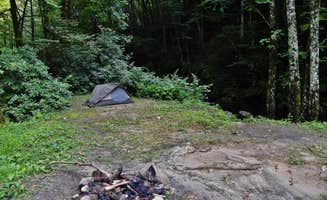
Road conditions: Many dispersed camping areas have challenging access roads. At Mills River Dispersed, "The dirt road to get there as well as the pull off for the campsite are rough and a bit dangerous for low/regular cars. It's doable but you should go very slow and watch out for giant holes and ridges."
Site selection timing: Arriving early improves your chances at preferred sites. For the best tent camping near National Forests in North Carolina, one camper advised: "Free sites, first come first serve. Definitely some disrespectful neighbors but sites aren't closely packed. Get there early as possible as people can post up for a week there."
Water access variations: While many sites feature streams, water levels change seasonally. A camper at Mountain Bridge Wilderness Area recommended, "I strongly suggest wearing waterproof hiking boots/trail runners as there is lots of water on the trail and because the Dismal Trail is a steep climb to the lookout."
Tips for camping with families
Short hikes with big rewards: Several areas offer family-appropriate hiking distances. A visitor to Pisgah National Forest mentioned, "There are quite a few family friendly paths," making tent camping with children more manageable across short distances.
Walk-in sites for toddlers: Some walk-in sites accommodate even the youngest campers. Jones Gap State Park offers accessible options: "Having both toddler and dog we knew we couldn't go far but this still felt like we were in the middle of nowhere."
Safety considerations: Rough terrain requires attention with children. White Pine South Group Camp includes areas with "a bit of a bank to climb down" to reach water sources, requiring adult supervision for younger campers.
Tips for RVers
Size limitations: Most National Forest camping areas have significant restrictions for larger vehicles. Wilderness Cove Campground offers one of the few options with hookups in the region, though one camper noted that "campsites and cabins are very limited" and it's primarily "tents only."
Alternative vehicle options: Motorcycle campers find specialized accommodations in the region. Blue Ridge Motorcycle Campground provides "tent space [that] is nice, flat, grassy, and well cared for" with a "big bonfire area in the middle" creating a community atmosphere for riders.










 Traveler


