Lake Norman State Park and surrounding camping areas in Huntersville, North Carolina sit at approximately 760 feet above sea level in the Piedmont region. The area features rolling hills and mixed hardwood forests with average summer temperatures reaching 90°F and winter lows around 30°F. Most campgrounds in the region feature compacted gravel RV pads with varying degrees of tree coverage.
What to Do
Mountain biking trails: Lake Norman State Park Campground offers extensive mountain biking opportunities with over 30 miles of dedicated trails. "I hike in to the remote campsite on the lake. Lots of fishermen and trash since the scum can't seem to pick up after themselves," notes Ben S. about Lake Curriher Wilderness.
Fishing access: Multiple lakes provide year-round fishing opportunities for bass, crappie, and catfish. "The park is huge and right at the lake. We stayed only one night. A lot of young families were here with their bikes," mentions Birgit H. about the water recreation options.
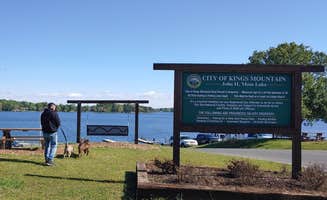
Historical exploration: Visit nearby Kings Mountain State Park for historical sites and educational programs. "Tons to do, including hikes and history. Make sure to go across the street to the Kings Mountain Military site. Better yet, plan your stay when they are doing an event," advises Don H. from Kings Mountain.
What Campers Like
Clean facilities: Many campgrounds maintain spotless bathhouses and common areas. "I have camped all across the US and this was the nicest and cleanest campground I have ever been in. Fantastic experience," reports Andrew G. about Lake Norman State Park Campground.
Family-friendly atmosphere: Several campgrounds feature dedicated activity areas for children. "This is an excellent family campground. They have plenty of activities for the entire family from basketball, volleyball, shuffle board, putt putt, a fishing pond, and a pool," shares Josh Q. about Cross Country Campground.
Urban convenience: Multiple campgrounds offer proximity to Charlotte while maintaining natural settings. "This is such a great place to go if you are wanting to escape from the city!" says Ezra M. about the accessibility of park locations near urban centers.
What You Should Know
Seasonal operating hours: Several preserves and parks reduce hours during fall and winter. "The gates close at 5pm during the fall/winter. Slightly around that time, the retired police chief came around to introduce himself and give his cell number," explains Shannon S. about off-season protocols.
Limited privacy at some sites: Certain campgrounds have closely spaced sites with minimal screening. "It was surprisingly busy, almost all sites occupied. There is not much space between the sides, but the park is huge and right at the lake," notes Birgit H.
Varying bathroom facilities: Quality and availability of showers differs between locations. "No showers, which we didn't know until after we got here, saw the one bathroom, and realized there was not a shower. There is an outdoor shower," reports Shannon S. from McDowell Nature Preserve.
Tips for Camping with Families
Pool access: Several campgrounds feature swimming pools with seasonal operation. "Beautiful (but cold) pool, nice playground for the kids by the pool. Lot size is average. Plenty of shaded spots, but others are full sun," notes Jenny C.
Nature programs: Check for ranger-led activities at state parks during peak seasons. "Rangers give guided informative hikes (a mile or so) at different times in season and there are plenty of hiking trails," suggests Wolf T.
Beach alternatives: When lake beaches get crowded, consider smaller water access points. "The beach is nice but gets very busy during the summer months. Lots of hiking trails, with lots of people using the grills etc.," advises I.R. about seasonal crowding at Carowinds Camp Wilderness Resort.
Tips from RVers
Site leveling challenges: Many campgrounds have uneven sites requiring additional equipment. "Many camping sites are very much in need of leveling. Sites slope from left to right, front to back, and some slope in both ways," warns Richard E.
Hookup placement: Water and electric connections vary widely between sites and campgrounds. "The electric and water are in odd spots on each site. Luckily we were on one of the rare fairly level sites," explains Karen S.
Access roads: Some campgrounds have narrow approach roads challenging for larger RVs. "The road into the campground is narrow, hilly and windy. We were able to do it in our 32 foot class A, but luckily no one was coming the other direction," cautions Karen S. about navigating to camping areas.














 Traveler


