Rustic camping near Upper Delaware National Scenic and Recreation River offers diverse terrain from forested ridges to riverside flats. The region features elevations ranging from 600 to 1,800 feet with climate variations between higher mountain areas and lower valley locations. Winter access becomes limited at many sites due to unmaintained forest roads, while summer brings increased demand for the limited primitive sites available.
What to do
Hiking accessible trails: At Rider Hollow Dispersed Camping, campers can access multiple trailheads leading into the Catskill Mountains. The area provides both day hiking options and connections to longer backpacking routes.
Fishing opportunities: Russell Brook Road camping areas provide direct access to trout streams. The nearby public fishing access points accommodate both fly fishing and conventional angling methods throughout the designated season.
Wildlife observation: The varied ecosystems support diverse wildlife viewing opportunities. At Thunder Swamp Trailhead, one camper noted, "Went down Saw Creek trail to a marsh," which offers excellent opportunities for bird watching and wildlife photography.
What campers like
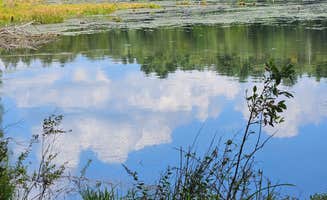
Secluded waterfront sites: Primitive campsites near ponds and streams provide natural water features. At Allaben Primitive Campsites, campers appreciate the "Cool spot next to a pond. There are a few others that aren't next to a pond, and therefore not as cool… but still pretty cool bc it's free."
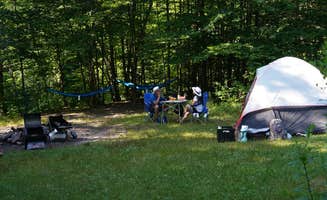
Hammock-friendly terrain: Many sites feature mature trees ideal for hammock camping. According to one camper at the Appalachian Trail campsite, "We camped nearer to others but there are secluded spots too. We'll maintained w bear boxes provided. Good trees for hammocking."
Limited crowds: The dispersed nature of sites keeps visitor numbers low. Most primitive camping areas maintain minimal development to preserve natural character, with many requiring hiking access that limits overcrowding during peak seasons.
What you should know
Permit requirements: Some camping areas require advance permits, particularly on state forest lands. Contact ranger stations in the specific county where you plan to camp to determine requirements.
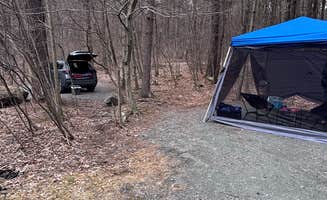
Water access limitations: Water sources vary significantly between sites. One camper at Beals Pond State Forest noted access challenges: "This state forest is beautiful but not easily accessible in the winter. After a certain point, the road is not maintained in the winter and I was unable to get cell reception with Verizon."
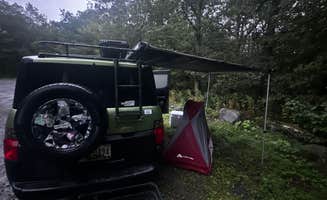
Road conditions: Many access roads to primitive sites require high clearance vehicles. A reviewer at Hickok Brook warned, "The road is very rough with huge potholes so good clearance is a must. It's not a good spot for car camping but you could conceivably drive up to the spots and pull off the road to put up a small tent somewhere."
Tips for camping with families
Choose accessible sites: For families with young children, select sites with shorter hiking distances. Allaben Primitive Campsites offers "Nice spot right off the main road and close to town. Small pond-don't think there are any fish. Picnic table. Fire pit with cooking griddle."
Plan for no facilities: Most dispersed sites lack restrooms or water sources. Pack adequate supplies and teach children proper wilderness bathroom protocols before arriving.
Consider wildlife precautions: Bear activity requires proper food storage. Sites like Appalachian Trail- Designated Backpacker Campsite 2 provide bear boxes, but one camper notes important details: "No ground fires. No Water (nearest is sunfish pound- easy hike about a 1 round trip)."
Tips from RVers
Size restrictions: Most dispersed areas cannot accommodate larger RVs. A camper at Hickok Brook shared their experience: "I drove in thinking that there would be flat places to park a very rugged camper in my full ton diesel pickup. The road is very rough with huge potholes so good clearance is a must."
Limited turnaround space: Forest roads often lack adequate turning areas for trailers. Scout locations first without your trailer if possible to assess accessibility.
Seasonal access considerations: Winter conditions severely restrict RV access to most sites. When roads are not maintained, even high-clearance 4WD vehicles may be unable to reach camping areas from late fall through early spring.




 Scout
Scout


