





 Guide
GuideSouth of Sand Dunes State Forest
Nomad crew: Two humans, one adventure-seeking pup, zero bars on the phone 🏕️👫🐶📵
🌲 Backcountry Bliss (with a side of frustration)
Venturing into Sand Dunes State Forest feels like claiming a slice of untamed wilderness just an hour from the Cities. The experience? Rustic and immersive—zero amenities (no toilets, no water, no trash cans) as per MN DNR guidelines . That means real freedom—and responsibility.
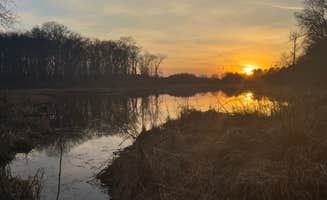
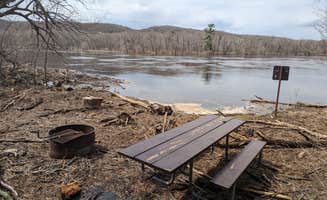
You’ll access pull-off dispersed sites along gravel roads south of Ann Lake (Co Rd 233–237). The sites are spaced for solitude, nestled between pine stands and open sandy stretches—perfect for hammock hangs or pooch romps (). One camper even notes:
“Lots of poison Ivy. Weak cell service but manageable.” 
📵 Zero Bars, Zero Interruptions
Bring a journal and some good company—your phone’s chances are slim. Recent check-ins confirm unreliable cell coverage, even for Verizon. It’s peaceful… until you need GPS or an Uber. The upside? You’ll actually unplug and be present under the pines.
🐜 Wide-Open Wilderness & Pesky Pests
Campers speak of “quiet and serene” nights once side roads thin out . But set foot off-trail and you risk scenic encounters with poison ivy (it’s nearly unavoidable) and mosquitoes thicker than the air . Long sleeves, tick checks, and bug spray are essential.
✅ Highs, Lows & Clever Tips
👍 Pros • Free, legal dispersed camping up to 14 days in summer; 21 in cooler seasons   • Privacy and space—even pull-through spots for low-profile trailers  • Trails galore—horse, ski, hiking, and horseback routes all crisscross here ()
👎 Cons • Poison ivy is everywhere—avoid off-trail wandering  • Minimal cell service—plan accordingly • Primitive roads; bring anything from AWD to 4×4 depending on your rig and route
💡 Camp Hacker Hacks • Drive until a decay path opens, park, then trek 100–300 ft off-road to your camp  • Download the MN DNR MVUM and use GPS overlay to avoid gated roads and day-use zones  • Bug up at first signs of dusk—mosquitoes and ticks love these woods ()
⸻
📝 Final Take
If you’re chasing raw, quiet, and free dispersed camping near civilization—you’ll find gold here. It’s honest-to-goodness backcountry: phone signal is scarce, poison ivy is a fact of life, and you supply everything beyond a plot of land and forest atmosphere. But those epic silent nights, stars overhead, and pine-scented breezes? Priceless.
Score: 4.5/5—For freeing your soul, but testing your patience (and other survival basics).
⸻
#TheDyrt #DispersedCamping #SandDunesStateForest #MNBackcountry #OffGridAdventure #RusticCamping #NoCellNoProblem #PoisonIvyZone #FreeCamping #TrailDogApproved


