Dispersed camping near Pictured Rocks National Lakeshore requires preparation for forest road conditions that vary seasonally. The surrounding Hiawatha National Forest encompasses over 880,000 acres with elevation changes between 600-1,400 feet. Summer temperatures average 70-80°F during day and 50-60°F at night, while spring and fall bring considerable temperature fluctuations and increased precipitation.
What to do
Kayak access points: Several dispersed sites offer proximity to water recreation. At Ironjaw Lake Dispersed Campsite, campers appreciate the dual-lake setting: "We were lucky, we went pre-season. We did have to clear a bunch of down trees to get down the road but we had the site and the lakes to ourselves. It was gorgeous."
Fishing opportunities: Small inland lakes near dispersed sites often have less fishing pressure than Lake Superior. The Herman Lake Dispersed area provides kayaking access: "We were able to kayak and it was beautiful and very private."
Trail exploration: The surrounding national forest contains numerous hiking and equestrian trails. The Hovey Lake Equine Trailhead area provides free camping with vault toilet facilities but requires visitors bring their own water and pack out trash.
What campers like
Privacy and seclusion: Many dispersed sites offer isolation from crowds. Campers at Hickey Marsh Dispersed Camping note: "This is a great spot, very private and easy to access. T-Mobile cell services was very good. I would warn though that the mosquitoes were pretty bad when we visited."
Cost advantages: Free camping options help extend vacation budgets. At Adams Trail Dirt Lot, one camper noted: "It's hard to find free camping in this area so we're happy this is here. Quiet overnight but I apparently slept through some ATV race going on in the night."
Wildlife encounters: The forest setting provides opportunities for wildlife observation. A camper at Hickey Marsh reported: "At times the night was eerily silent, at other times I heard dirt bikes and tractor trailers in the distance, also heard a pack of coyotes at one point and pretty sure I heard some sort of padfooted animal walk by my site once or twice."
What you should know
Seasonal regulations: Some areas have changing usage rules throughout the year. Visitors to Rhody Trail Pull Off discovered rule inconsistencies: "After speaking to the amazingly sweet DNR officer, and exchanging pics of maps she advised us our best bet in the future is to use the county gis and onX maps to be sure we are in the correct spots."
Changing conditions: Recent visitors should be considered most reliable for current status. Road conditions deteriorate quickly after rain, and some areas require high-clearance vehicles.
Campfire regulations: Fire rings at dispersed sites may not indicate legal camping. Always check current fire restrictions, especially during dry periods when bans may be in effect.
Tips for camping with families
Safety planning: Cell service varies significantly throughout the region. At Coalwood Trail - Dispersed Campsite, one visitor warned about the location: "Tons of mosquitos right next to a small danky pond."
Bug preparation: Insect populations peak in June and July, particularly near water. Bring multiple repellent options, including permethrin for tents and clothing.
Water source planning: No dispersed sites offer potable water. Plan to bring 1-2 gallons per person per day plus additional for washing and emergencies.
Tips from RVers
Size limitations: Most forest roads accommodate smaller trailers only. At Hickey Marsh, a camper shared: "We only found 2 pull in sites and took the first one. We were able to back our 26 foot travel trailer in and stay hooked up to it."
Road condition challenges: Deep ruts and overhanging branches create hazards on forest roads. Herman Lake visitors cautioned: "We went down a very deeply rutted and muddy one lane road in for about 1.5-2 miles. We have a 21 ft travel trailer. Although we stayed one night and made it to and from unscathed, we do not recommend towing down this road."
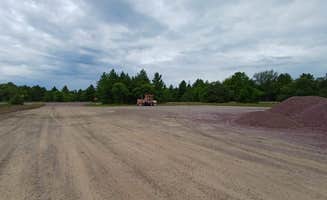
Turnaround space: Forest roads often lack designated turnarounds. Adams Trail Dirt Lot provides advantages for larger vehicles: "Lot was huge - easy turnaround for larger rigs."









 Scout
Scout


