Camping near West Monroe, Louisiana offers options from lakeside sites to vineyard settings within a 25-mile radius. The area sits at approximately 80 feet above sea level with a subtropical climate that brings high humidity and annual rainfall averaging 54 inches. Summer temperatures regularly exceed 90°F while winter nights can dip below freezing during December through February.
What to do
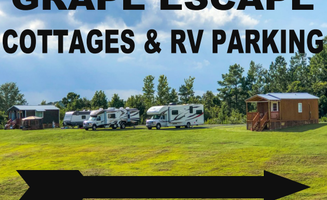
Vineyard tours and tastings: At Landry Vineyards Grape Escape RV Sites, campers can participate in tours led by the winemaker/owner. "We took a tour of the facility, guided by the winemaker and owner. Well worth it. The wines are great, so much so that we left with 6 bottles!" says Shaun C.
Mountain biking trails: Lincoln Parish Park offers 11 miles of nationally recognized mountain biking trails with varying difficulty levels. "Exceptional mt bike course. 11 mile trail system for hiking/mt bike," notes Brett B., who appreciated the outdoor recreational options.
Wildlife viewing: Russell Sage Wildlife Management Area provides opportunities to spot native Louisiana wildlife in their natural habitat. "We could hear local cows and dogs but nothing so loud as to disrupt our sleep," mentions Lea B. about the natural soundscape of the area.
What campers like
Easy interstate access: Many campgrounds offer convenient highway access for travelers. "Very convenient to I-20. Approximately 3 miles south of the interstate but you feel like you are a world away," writes Cheri H. about Cheniere Lake Park's location.
Affordable overnight options: Budget-friendly camping makes the area attractive for travelers passing through. "For $25 a night, this little RV park with water and power hookups to 50A is a fairly quiet spot behind a restaurant with fairly new single bathrooms including showers and a temperature controlled laundromat on site," notes Cultivating Fire L. about The Fishing Camp Tackle & RV Park.
Spacious campsites: Several parks offer well-designed sites with ample room. "This is always one of our favorite places to camp. Close to town if you need something, but truly has everything you'll need for entertaining your whole family," says Carrie I. about Lincoln Parish Park's layout and amenities.
What you should know
Security and safety: Many campgrounds have regular security patrols. "Sheriff's department is nearby and they patrol frequently so you feel very safe. You can hear the firing range in the distance," reports Cheri H. about local safety measures.
Weather considerations: Louisiana's climate affects camping comfort year-round. "We stayed in winter season with rain and cold. We have been tenting and enjoy being endured of all nature has to offer," explains KJ G. about winter camping at Lincoln Parish Park.
Reservation systems: Some parks don't assign specific sites at booking. "You aren't assigned a site at reservation, so you'll need to get there early if you want a specific one," advises Carrie I. about Lincoln Parish Park's site selection process.
Tips for camping with families
Playground access: Multiple parks feature play areas for children. "Nice playground for the children. Sheriff's department is nearby and they patrol frequently so you feel very safe," mentions Cheri H. about amenities at Cheniere Lake Park.
Lake activities: Water recreation options keep families entertained. "Lots of hiking/mountain biking trails and a paved trail that goes around the lake. Playground for children and a swimming beach. Seasonal concession stand," notes Cheri H. about recreational opportunities.
Entertainment options: Ouachita RV Park offers indoor recreation for rainy days. "The park has a recreation room with a pool table, books, lots of board games, and a piano. It's slightly dated, but extremely clean and well stocked," reports Cat R. about additional amenities.
Tips from RVers
Site leveling: Pay attention to terrain when selecting spots. "The site was rock and not quite level since we had to use leveling blocks to avoid having the back tires of our 39 foot motorhome lifted off the ground," advises Steven V. about his experience at Landry Vineyards.
Hookup locations: Some parks offer dual-sided hookups for flexibility. "Originally, our site said it was set up for motorized RVs with the hookups set to drive into the site. However, when we arrived (with our 30 foot TT) we found hookups on BOTH sides of the site, making it that much easier for us to hook up," shares Shaun C. about Landry Vineyards.
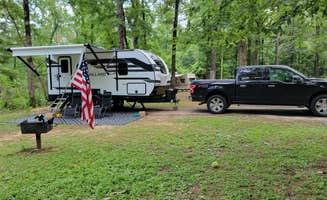
Surface conditions: Weather affects parking areas differently across parks. "It rained all night and was a little wet; the sites are grass," notes Jenifer K. about Ouachita RV Park, highlighting the importance of considering ground conditions when planning your stay.










 Guide
Guide


