Dispersed camping options near Norman, Indiana provide backcountry access through the Hoosier National Forest region. The area sits at elevations between 400-800 feet, creating varied terrain with limestone outcroppings and seasonal creek beds. Primitive campsites generally remain open year-round with certain seasonal restrictions during hunting seasons or extreme weather conditions.
What to do
Cave exploration: 3 miles south of Norman at Spring Mill State Park, visitors can take guided boat tours through underground cave systems. "There is a cave tour also on offer in which you ride thru the cave system in a boat. Yes there are even lifevests for customer to wear!" shares Rachel W. about Spring Mill State Park Campground.
Fossil hunting in creek beds: Many creek beds throughout the wilderness areas contain interesting geological finds. "We went fishing down by the ramp and caught a mess of bluegill which we fried up back at the campsite!!!" reports Sheldon E. about his experience at Hardin Ridge.
Stargazing at dispersed sites: The darker skies away from developed areas create good nighttime viewing. "Can't believe this place was free. It was nearly empty (although it was the end of November). The hiking was fantastic and the few people camping there were very well dispersed and all respectful," explains Kelly G. about her experience at Blackwell Campground.
Mountain biking on dedicated trails: The region offers trails for various skill levels. "The mountain biking is excellent, with purpose built trails for beginner to expert (flow, berms, rollers, jumps...)," reports TMB about Buffalo Ridge Campground.
What campers like
Privacy between campsites: Many campers appreciate the spaciousness at certain campgrounds. "It has nicely shaded, private tent sites! Great place for bike riding and, also very family friendly!" comments Leah S. about her stay at Hardin Ridge.
Well-maintained facilities: Clean bathrooms and shower houses matter to campers. "The grounds are kept very clean, as well as the shower rooms, bathrooms, and vault toilets," Deb T. shares about Blackwell Campground, noting the campground's extensive amenities and rule enforcement.
Geological finds: The area contains interesting rock formations worth exploring. "I walked the creek for hours just looking at all the rocks on the sandbars. I have never encountered so many geodes in my life. Truly magnificent to encounter," Sarah R. explains about her experience at Charles C. Deam Wilderness.
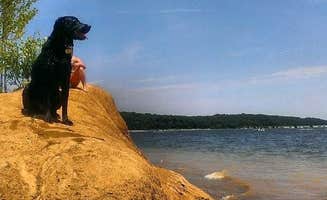
Lakeside camping spots: Sites with water access remain popular for their versatility. "If you're looking for shade or here in the summer months, you may try elsewhere as there is not much shade to be had," advises Juniper L. about Blackwell Campground.
What you should know
Seasonal crowds: Plan ahead during peak times, especially in the fall. "Autumn is the heavy tourist season with the changing of the leaves...breathtaking vistas from the parks elevated vantage points!" notes Stephen & Theresa B. about Buffalo Ridge Campground.
Limited cell service: Expect variable connectivity in more remote areas. "Cell service by various providers is 1-2 bars," reports Betsy W. about Blackwell Campground, which offers large open areas with pit toilets and water available.
Flooding potential: Some campgrounds have drainage issues after heavy rains. "Some campsites flood easy," warns Aleta C. about Starve Hollow State Recreation Area.
Limited supplies nearby: The closest substantial stores may be 10+ miles away. "It is about 11 miles to the nearest small baitshop/store/gas pump. There is ice and wood for sale at the gate," explains Deb T. about Hardin Ridge.
Tips for camping with families
Water activities for kids: Several locations offer swimming areas designed for children. "The beach area was huge and there were a lot of playgrounds," Martin M. explains about Starve Hollow State Recreation Area, adding "If you want to rent one of the kayaks, get to the office right at 8 or they will be gone for the day."
Educational opportunities: Look for ranger programs designed for children. "They had a Smokey the Bear program for the kids and some really fun activities at the nature center while we were there," shares Jessie W. about Spring Mill State Park.
Wildlife viewing with kids: Nature centers often house native species exhibits. "The nature center is really fun with animals and a bee hive that the children really enjoyed!" notes Jessie W. about Taylor Ridge Campground.
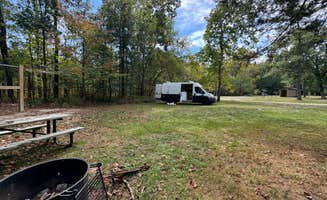
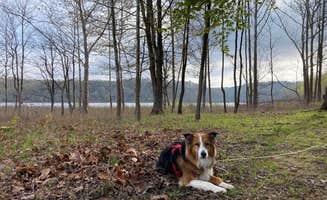
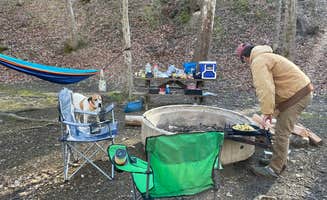
Dog-friendly trails: Most trails permit leashed pets throughout the region. "We really liked the set up of this campsite. The fire rings were spread apart amidst a green hill. There was some shade available around the edges," describes Josie W. about Blackwell Campground.
Tips from RVers
Access road challenges: Some campgrounds have challenging approach roads. "Driving through the campground it looks like there are some sites pretty close together but ours wasn't too bad. I would say pay particular attention to the size of the site you're booking as some were pretty small. Also, some sites were fairly sloped as well," advises Amanda D. from her experience at Taylor Ridge Campground.
Alternative entrance points: Certain parks offer multiple access points that accommodate larger vehicles. "The north entrance is through a covered bridge with a 9 foot clearance and 3 ton limit! Otherwise, use the easily accessible west entrance, just a few miles 'around the corner,'" warns TMB about Buffalo Ridge Campground.
Full hookup availability: Several campgrounds offer complete RV services. "We were there for 7 days and while they have room for probably 50 or 60 rigs there was only 3 or 4 of us there most of the time," reports The Wandering Shores about Blackwell Campground, adding that leveling is easy on the flat land.
Solar charging opportunities: Some open sites work well for solar power setups. "If you're a solar person, this is your spot! It's a giant open field with vault toilets," explains Juniper L. about Blackwell Campground.











 Guide
Guide


