The Green Swamp area of central Florida surrounds Polk City, featuring wetlands, pine flatwoods, and cypress stands at elevations ranging from 100-200 feet above sea level. Equestrian campgrounds near Polk City, Florida benefit from the region's well-drained sandy soil trails that remain accessible even during moderate rainfall. The subtropical climate provides comfortable winter camping temperatures averaging 60-75°F from November through March.
What to do
Trail exploration: 16+ miles of multi-use paths at Upper Hillsborough Preserve — Alston Tract provide riding opportunities through pine flatwoods and river floodplains. "The property's roads and trails meander through pine flatwoods, consisting of both slash and longleaf pine overstory, palmetto/gallberry understory and hydric hammock and floodplain swamp along the river," notes Elliott B.
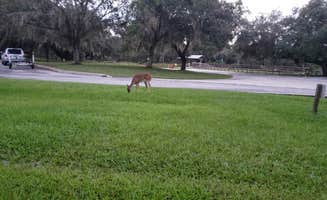
Wildlife observation: Dawn and dusk sightings at Lake Kissimmee State Park Campground showcase Florida's native species. "Deers all around even among the campsites," reports Robert T. The observation tower provides elevated views across habitats where "tall watch tower climb for observation" enhances wildlife spotting opportunities according to Stephanie G.
Backcountry camping: Pack-in sites at Green Swamp — West Tract allow overnight stays in remote locations. "We hiked out about a mile along the Florida Trail and stayed for a night at the Gator Hole campsite. It was so peaceful, lots of space to explore (we had a 3 year old and two dogs!) and the symphony of Sandhill Cranes and Coyotes as the sun set was a memory I'll never forget," shares Kelly S.
What campers like
Clean facilities: Modern restrooms and showers at equestrian campgrounds around Polk City maintain high standards. At Foster Bridge Primitive Site Green Swamp West, despite being primitive, campers find "Site was clear and open, which was good because there is an abundance of ticks to be found in the brush. There are places for tents and hammocks using tree safe straps, benches, fire ring and even a picnic table," according to Jeanene A.
Natural soundscapes: Evening wildlife choruses create memorable camping experiences. "The insects and frogs put on an amazing chorus after a rain," notes Jeanene A. at Foster Bridge, while at Green Swamp West, Anthony E. reminds visitors of the "5 minute walk from river if you need drinking water. Make sure to filter and watch for gators."
Affordable camping options: Free to low-cost sites available throughout the region. At Green Swamp West Tract, Monte W. found, "It is free but had to register at watermatters.org - (Southwest Florida Water Management). They provide you with a code to unlock the gate once registered. At the campsite there were about 15 sites. Most had non-potable water. All had a picnic tables and fire ring."
What you should know
Access challenges: Seasonal flooding affects trail conditions from June-September. At Lake Louisa State Park Campground, campers should plan accordingly as "Most of the trails were still flooded. Our rainy season just ended and we've had a lot of rain towards the end of it," cautions a recent visitor.
Limited cell service: Poor connectivity in remote campgrounds affects planning. At Green Swamp West Tract, one camper noted "Barely any cell service so wasn't ideal for my work situation and had to go into town. 1-2 bars of 4G via AT&T."
Insect preparation: Ticks and mosquitoes require appropriate repellent and clothing. Jeanene A. warns, "Insect repellent is a must have!" while at Foster Bridge campers are advised to "hang food and trash at night to keep critters away."
Tips for camping with families
Accessible sites: Handicap-friendly options at several horse campgrounds accommodate mobility needs. At Wekiwa Springs State Park Campground, Lauren W. shares that "our site, 2, was a handicapped one, and beautiful. Restrooms directly behind us. Beautiful tall shady trees. A very clean park. Being handicapped, the springs were a mile from the campground, which is a problem for people having difficulty walking."
Kid-friendly activities: Nature programs engage younger visitors during weekends. At Wekiwa Springs, "Jane, one of the park rangers informed us about the ramp for wheelchairs, and a lift into the water! She was so helpful," adds Lauren W.
Educational opportunities: Historical demonstrations at Lake Kissimmee State Park Campground include Florida's cowboy heritage. "We rode our bikes to the cow camp and snooped around. That was really interesting," shares Lorilee S., noting the unique opportunity to learn about Florida's cattle history.
Tips from RVers
Site selection: Choose shaded spots for summer comfort at equestrian campgrounds. At Alafia River State Park Campground, AJ G. advises, "Sites were decent size. Good for RVs and tents. However, sites are not shaded at all and because of the quarry and stagnant water the mosquitoes were RIDICULOUS! Probably worst mosquitoes in 30 years of camping."
Leveling considerations: Many sites require minimal adjustment. At Lake Louisa State Park, Joe R. noted "It has nice, spread out spots, and plenty of activities if you are outdoorsy," while Cyndi B. observed "All of the sites seemed level, most are quite private with a fair amount of trees/foliage in between sites."
Water management: Plan usage around dump station availability. At Alafia River, "RV'ers must use dump site to get rid of black and grey water. No sewer hookup," reminds a reviewer, making it important to monitor tank levels during extended stays.










 Legend


