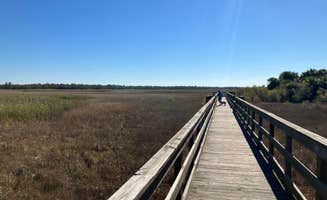
Seasonal camping patterns significantly impact the Big Cypress National Preserve experience, with water levels rising 10-15 inches during summer wet seasons. This unique ecosystem spans 729,000 acres and connects the freshwater marshes of the Everglades with the saltwater estuaries of Ten Thousand Islands. Winter months bring cooler temperatures around 70°F, making it the most comfortable time for visiting pet-friendly campgrounds.
What to do
Night sky viewing: Midway Campground offers exceptional stargazing opportunities due to minimal light pollution. "The stars were absolutely incredible being so far from major cities," notes Liz M., who stayed at the campground. The campground's location at mile marker 52 on Tamiami Trail provides easy access to both wildlife viewing and astronomical observation.
Explore Loop Road: This 26-mile scenic drive near Midway Campground offers excellent wildlife viewing opportunities. "The 26 mile loop road is very close and a great way to experience Florida & Big Cypress backcountry and wildlife from your car or bike," shares Kevin A. The road takes you through cypress swamps and prairie habitats where alligators and wading birds are commonly spotted.
Airboat experiences: Several campgrounds provide convenient access to airboat tours. "They offer guided trips, or you can book from the many other businesses in the area offering swamp buggy, airboat, hiking, tram, fishing, and paddling/boat trips," explains Jeanene A. about Trail Lakes Campground. These tours provide unique views of the preserve's wetland ecosystems.
What campers like
Wildlife encounters: Bear Island Campground offers opportunities to observe local wildlife safely. "If you stay here make sure you take a walk around at night that is where we ended up seeing a lot of critters which was really cool. Also make sure you take a flashlight and look in many of the waterways. We ended up seeing quite a few gators and fish like alligator gar," shares Bobby G.
Dark skies: The remote location of many Big Cypress campgrounds creates perfect conditions for stargazing. "You can definitely see all of the stars. There are no towns close by so the light pollution is low," Victoria S. explains about her experience at Trail Lakes. This aspect is particularly valued by photographers and astronomy enthusiasts.
Peaceful environment: The more remote Burns Lake Campground offers a quieter experience away from main highways. "Small, primitive campground offering access to a number of backcountry trails," notes Jean C. The campground sits slightly further back from US 41 than other options, providing a more secluded experience for those seeking tranquility.
What you should know
Weather and insects: Summer brings challenging conditions to dog-friendly campgrounds in Big Cypress National Preserve. "We are in November now and the weather is in the 70s during the day and 60s at night so the mosquitoes are not bad, but they are still present. Having a bottle of bug spray and maybe a fogger will do just fine in this weather," advises Victoria S. about Trail Lakes.
Limited services: Most primitive campgrounds require self-sufficiency. "Bring your own water, period. Most of these primitive campgrounds in Big Cypress are used by hunters or recreational vehicle owners. You are out there…in the middle of nowhere," warns Dave V. about Burns Lake. The closest supplies might be 20+ miles away, so thorough preparation is essential.
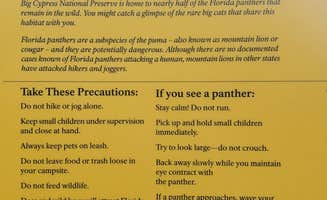
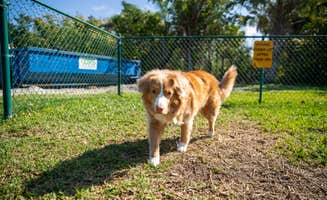
Wildlife precautions: With dogs, special attention to wildlife is necessary. "You'll notice in this area when driving on US 41 that you are also in a Panther crossing area," notes Stephanie Z. about Burns Lake Campground. Food storage boxes are available at many campgrounds to prevent attracting wildlife to sites with pets.
Tips for camping with families
Playground access: Collier-Seminole State Park offers family-friendly amenities. "There is a nice playground by the river and a few historic markers to explore," notes September H. The park's location also puts families about 30 minutes from beaches, providing additional recreational options.
Educational opportunities: Multiple educational programs exist throughout the preserve. "You may find the price a bit high, but worth it for the dark skies and wide open feel of being immersed in the Everglades. You will find that the sites are clean and spacious," explains Jeanene A. about Trail Lakes, which includes access to the Skunk Ape Research Center.
Safety considerations: When camping with children and pets, site selection becomes crucial. "TL;DR Great for RVs, sucks for tents," notes Megan E., emphasizing the importance of matching your camping style with the right campground. Some campgrounds separate tent and RV sites, which can impact the family experience depending on your equipment.
Tips from RVers
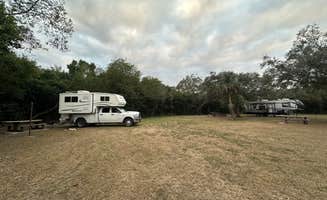
Hookup availability: Mitchell Landing Campground offers primitive sites with specific considerations for RVers. "30 footers are here. Be careful with site you choose for that size," advises Roger W. The campground lacks water and electric hookups, requiring RVers to be self-contained.
Seasonal planning: Many campgrounds in Big Cypress have limited seasonal availability. "Burns Lake is about midway between Naples and Miami, making it a great location to explore either of both of Big Cypress or Everglades National Park. The campground is open all year long for day use (it's a big area for ATVs), but unfortunately you can't overnight there during the summer season," explains Stephanie Z.
Road access considerations: For larger rigs, road conditions to some dog-friendly campgrounds can be challenging. "This is a campground in Big Cypress National Preserve off the loop road south of Tamiami trail. The first couple of sites have large parking pads for campgrounds hosts," notes Jean C. about Mitchell Landing, highlighting the importance of selecting appropriate sites for your vehicle size.








 Guide
Guide


