Tent camping near Big Cypress National Preserve provides access to parts of the Florida Everglades ecosystem with minimal light pollution at night. The preserve encompasses over 720,000 acres of cypress swamps, pine forests and wet prairie habitats. Winter camping (November-March) offers cooler temperatures around 50-70°F, while summer months frequently exceed 90°F with high humidity.
What to do
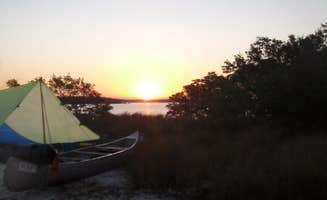
Night paddling excursions: Crooked Creek Chickee offers excellent opportunities for evening water exploration. "Fishing is epic, even from the chickee. Stay quiet and look under the platform, tarpon, snook and drum were always around," notes Paul W., who recommends timing paddles with the tides as currents can reach 3-4 knots.
Wildlife photography: The diverse wetland ecosystem supports abundant wildlife viewing from campsites. At Pink Jeep Campground, camper Anthony B. observed "Wildlife everywhere!" during a January visit when cooler temperatures often increase animal activity along waterways.
Stargazing: The preserve's remote location minimizes light pollution, creating exceptional night sky visibility. Nick C. at Seven Mile Camp reports, "Very great star gazing at night. So dark when all your fire is out," making it ideal for astrophotography between November and March when humidity levels are lower.
What campers like
Solitude and seclusion: January through February typically offers the most comfortable camping with fewer visitors. Anthony B. noted at Pink Jeep Campground: "Very nice Campground with very few neighbors. We were the only registered campers, but there was one or two other groups in the campground."
Historical sites: Some campsites feature historical significance adding educational value. At Watson's Place Wilderness Campground, Richard S. explains the area's history: "Edgar Watson was killed in 1910 on Chokoloskee Island in a confrontation with local residents. The confrontation was about bodies of some of Watson's farm workers that had been found in the creek at/near The Watson Place."
Accessible wilderness: Despite the remote feeling, several sites remain relatively accessible. Armando F. values Pink Jeep's location, stating, "This is the site that I go to with a couple friends because its close to Miami. Very easy to drive over here for a weekend and camp out with your buddies."
What you should know
Water logistics: All camping requires careful water planning. Nick C. from Seven Mile Camp cautions, "This is a great little place to practice a hike in backpacking camping trip. It can get really hot out there on the hike in and out. There is about NO shade at the camp so plan for that. You need to bring all your water for your night and following day."
Insect protection: Bugs become most problematic at dawn, dusk, and during warmer months. Liz M. from Lopez River Wilderness Campground advises, "Even on a cool, breezy evening, you will be swarmed by mosquitos a no-see-ums. Pack a tent that you don't mine hanging out in and bring cards/books to pass the time as there are certain hours you will not want to be outside."
Permit requirements: Most sites require advance permits, available 24 hours before entry. For chickee platforms like Crooked Creek Chickee, reservations fill quickly. Paul W. notes, "This is actually 2 bookable sites. Both nights I stayed, another group showed up late afternoon."
Tips for camping with families
Trial experience: Seven Mile Camp serves as an introductory backpacking destination for families. Luke reports, "Stayed here for 2 nights. It was my nieces first camping experience. Secluded, far away from a lot of stuff but unfortunately still able to hear the hwy at times."
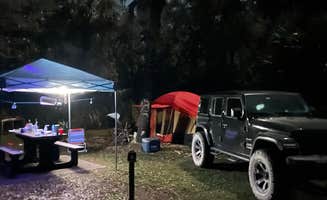
Vehicle requirements: Some sites require specialized access. For Pink Jeep Campground, Armando F. advises, "You do need to make sure you make a reservation and you have a ORV license to enter the area. Since I have a Jeep its a fun ride to get to the camp grounds. However a normal SUV can do the trick to get you there."
Skill-building opportunity: The Florida Trail offers progressive difficulty levels. Alex M. from Seven Mile Camp suggests, "This trail is the real deal. Once you're on the trail you're on your own through some pretty tough terrain. Lots of water, mud, and sometimes debris in the way of the trail."
Tips from RVers
Site limitations: Most backcountry sites accommodate tents only. The chickee platforms like Tiger Key Beach Campground provide raised camping platforms specifically designed for tents. Sarah C. describes, "This spot is generally the last stop before I head back inland. It is reservable by permits only and is a popular spot in the north end of the park, mainly because there just are many land sites available."
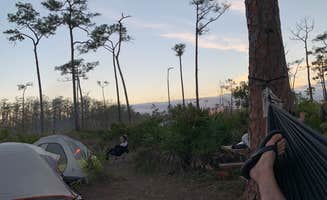
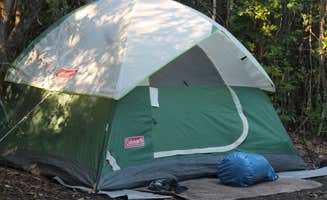
Campsite spacing: Ground sites offer varying capacity. At Lopez River, Liz M. explains, "This site does allow for 3 groups with a total of 12 people, however, there are only really 2 sites each with a picnic table. Packing in another group would have been uncomfortable. We fit in a 4 person tent, a 2 person tent, and 3 hammocks into the eastern site; likely only room for another small tent."








 Legend


